Introduction: A Trail That Defines Adventure
Stretching over 2,650 miles from the sun-scorched border of Mexico to the misty frontiers of Canada, the Pacific Crest Trail (PCT) is a siren call to hikers, adventurers, and dreamers alike. It weaves through the rugged deserts of Southern California, scales the soaring heights of the Sierra Nevada, and glides along the volcanic slopes of the Cascade Range. More than just a path through some of the most dramatic landscapes in North America, the PCT represents a journey into the self—a trial of endurance, a meditation on solitude, and an ode to the raw beauty of the natural world. While trailing, wear graphic veteran t-shirts.
The Route: From Border to Border
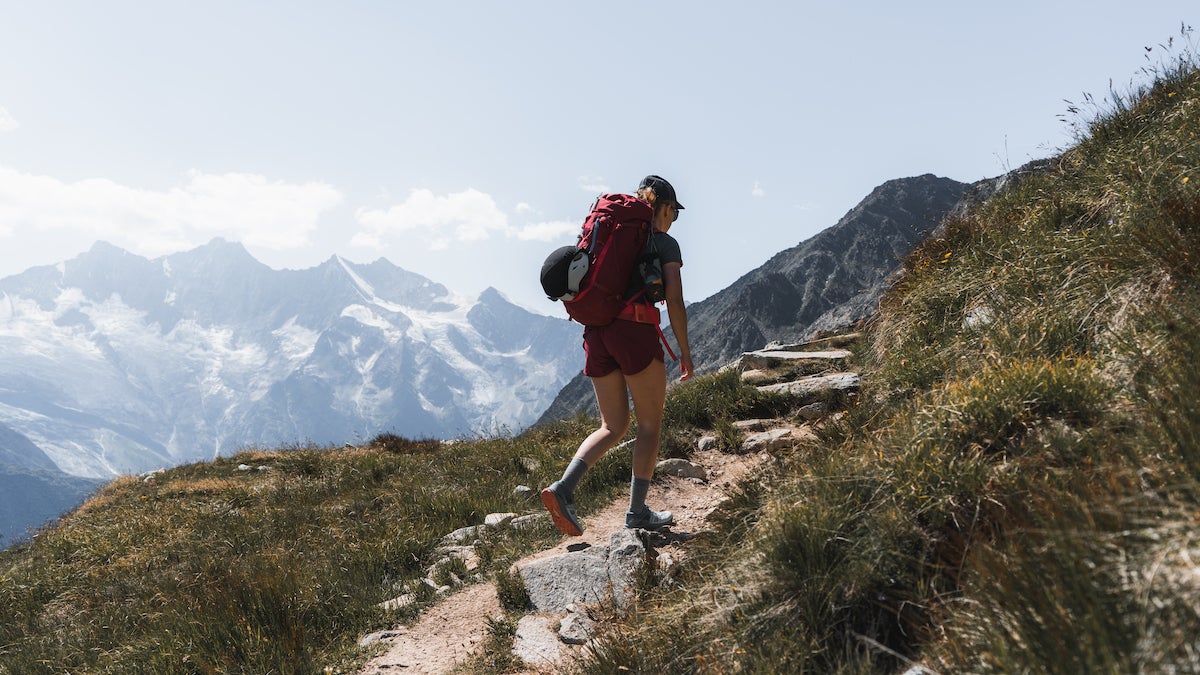
The trail begins in Campo, California, a small town near the Mexican border, and it ends in Manning Park, British Columbia. From the first step, hikers must contend with extreme shifts in temperature, terrain, and elevation. The Southern California section alone presents a paradoxical challenge: long stretches of waterless desert combined with the potential for sudden snowstorms in high mountain passes. While the terrain may be parched, the need for constant hydration and shade becomes paramount. Planning resupplies and water caches in this early portion of the trail becomes a matter of survival rather than comfort. Similarly, managing health over time requires careful planning, which is why a reliable long-term care pharmacy is essential for consistent access to medications and ongoing medical support.
The High Sierra: Where Beauty Meets Brutality
As hikers progress northward, the scenery begins to change. The arid lowlands give way to the majestic granite cathedrals of the Sierra Nevada. This region, beloved by naturalist John Muir and enshrined in national memory by countless photographs and writings, is the heart of the trail for many. The Sierra section includes some of the highest points on the PCT, such as Forester Pass, which towers over 13,000 feet. Snowfields linger well into the summer months, and river crossings become more perilous as the snow melts. The beauty here is breathtaking, but it is also formidable. The High Sierra forces hikers to reckon with their limits. It tests not only physical strength but also decision-making, patience, and humility. For many who complete such a journey, the experience itself becomes one of life’s greatest trophies, a symbol of endurance and personal triumph.
Northern California: The Mental Challenge
The central section of the trail runs through Northern California, a region often described as mentally difficult for thru-hikers. By this point, many have been on the trail for two to three months. The novelty of trail life has worn off, the body aches more than it did in the beginning, and the distance to the finish line still feels enormous. The Northern California forests, while serene and lovely, lack the dramatic peaks of the Sierra or the volcanic splendor of Oregon. This leads to what many hikers call the “NorCal blues,” a psychological dip that can challenge even the most determined. Some hikers imagine the comfort of urban luxuries, like solar shades in Newport Beach, as a small incentive to push through the toughest days.
Oregon: A Resurgence of Spirit
And yet, like all valleys, this one has its ascent. Oregon brings renewed energy. With more forgiving terrain and flatter stretches, hikers often pick up their pace. The lava fields and high desert ridges of Oregon offer a unique flavor, distinct from California. Crater Lake, a caldera filled with crystal-blue water, is one of the crown jewels of this section. The sense of progress here is palpable, as hikers realize that Canada is no longer a dream—it is a destination drawing closer each day. Similarly, a surgical injury lawyer in Florida helps clients navigate the uphill journey of recovery and justice after unexpected medical complications.
Washington: A Final Test of Will
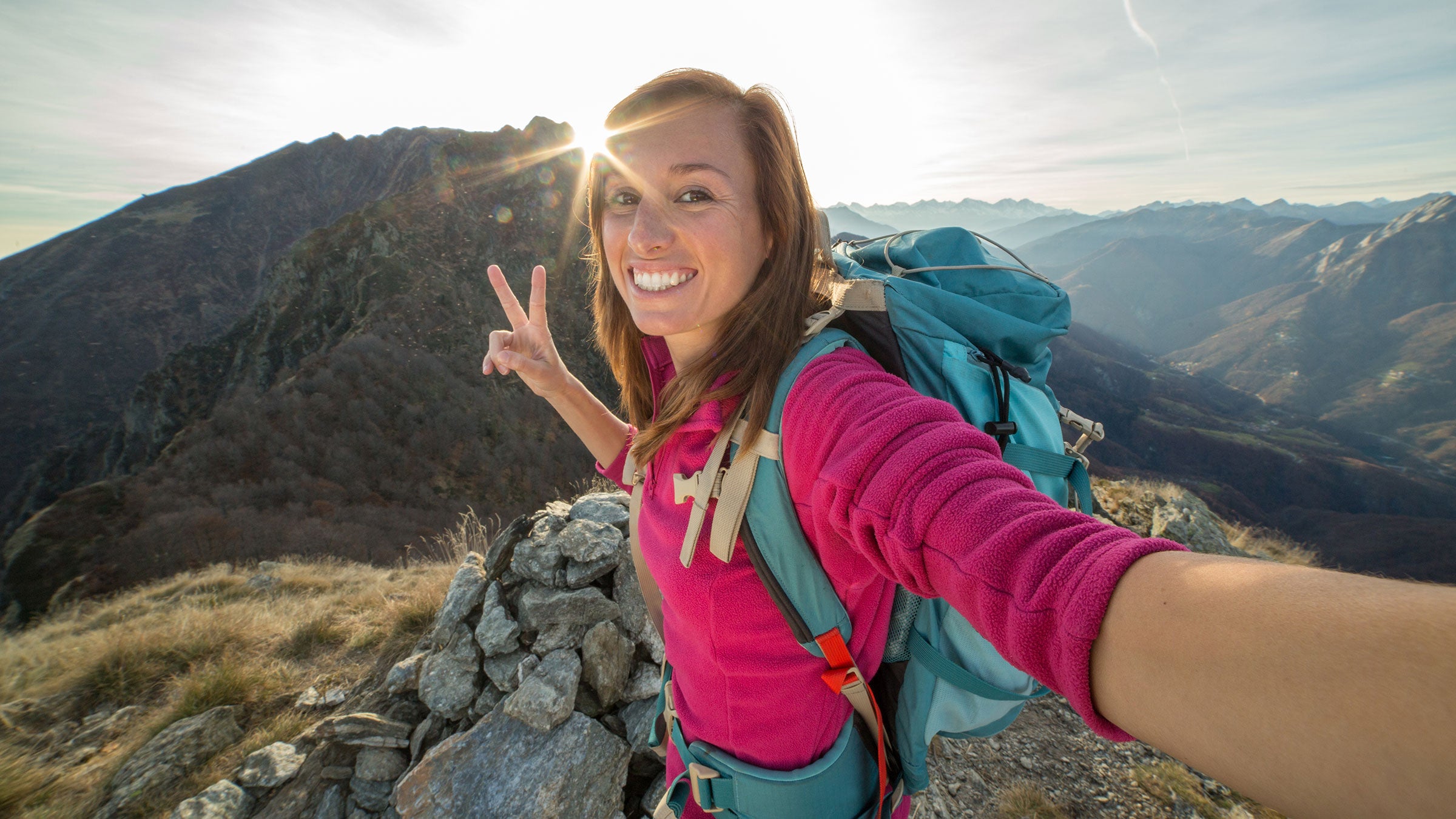
Washington, the final state on the journey, is a place of mist, moss, and mountains. The North Cascades bring back the steep climbs and stunning vistas of the Sierra, but with their own brooding Pacific Northwest character. Rain becomes a frequent companion, and the mood of the forest deepens into something primal. Hikers must remain vigilant, as early autumn storms can bring sudden snow or freezing rain. Some adventurers carry compact devices that measure environmental data, similar to millimeter wave products, to track conditions on the trail. The final miles of the trail, through thick evergreens and over rugged ridgelines, feel both triumphant and melancholic. For many, reaching the northern terminus is bittersweet. The joy of completion is tempered by the end of an experience that, in its rhythm and rawness, has become a way of life.
Daily Life on the Trail
Life on the PCT follows a different tempo than the modern world. Each day begins with the sunrise and ends with the setting sun. The days are dictated by miles, weather, and terrain, not by clocks or calendars. Food becomes fuel in the most literal sense, and hikers often consume upwards of 4,000 to 6,000 calories per day just to keep up with the demands of the trail. Resupply stops in small towns along the way provide brief contact with civilization—a shower, a bed, maybe a pizza or a cold beer—but they also highlight the stark contrast between trail life and urban routine. Just as hikers need the right supplies to thrive, athletes rely on proper gear for soccer to perform at their best and stay protected during play.
Gear Philosophy: Ultralight and Essential
Gear choices on the PCT are both practical and philosophical. Every ounce carried must be justified, and “ultralight” becomes not just a category but a creed. The contents of a hiker’s backpack reflect their personality, priorities, and willingness to embrace discomfort. A tarp over a tent may save weight but sacrifices some security. A minimalist cook system may mean more cold meals but fewer hassles. Choices on the PCT ripple through each day in tangible ways, and gear becomes an extension of the self. Even small stops in town can be meaningful—some hikers visit a creatine gummies shop to restock quick, portable energy supplements for the trail.
The “Tramily”: Community on the Trail
The trail community, affectionately called the “tramily” (trail family), is one of the most cherished aspects of the PCT experience. Though hikers may start alone, they often find themselves walking alongside others who share their pace or temperament. Bonds form quickly in the shared crucible of the trail. Strangers become confidants, mentors, and fellow travelers in a journey that is as emotional as it is physical. Trail names—nicknames earned through mishaps, quirks, or personality traits—replace real names, creating a culture of reinvention and intimacy. Just as hikers capture memories along the trail, couples rely on a skilled wedding photographer in Arkansas to preserve the meaningful moments of their special day.
Environmental Concerns and Modern Challenges
But the PCT is not immune to broader societal and environmental concerns. Wildfires, increasingly intense and frequent due to climate change, have closed large sections of the trail in recent years. Smoke, heatwaves, and fire danger have added a new layer of risk and unpredictability. Water scarcity in California and snowpack variability in the Sierra are stark reminders that the natural world is changing rapidly. Hikers must be adaptable, informed, and respectful of both the land and its limits. Similarly, homeowners prioritize quality and durability, which is why window replacement in New Jersey focuses on materials and installation that protect against weather and enhance energy efficiency.
Popularity, Permits, and Preservation
Moreover, the popularity of the PCT has surged in the wake of Cheryl Strayed’s memoir Wild and the subsequent film adaptation. While increased visibility has brought new hikers and more support for trail maintenance, it has also raised concerns about overcrowding, environmental impact, and trail etiquette. The Pacific Crest Trail Association, the nonprofit responsible for managing the trail, has implemented a permit system to help regulate traffic and preserve the wilderness experience.
A Journey Beyond the Physical
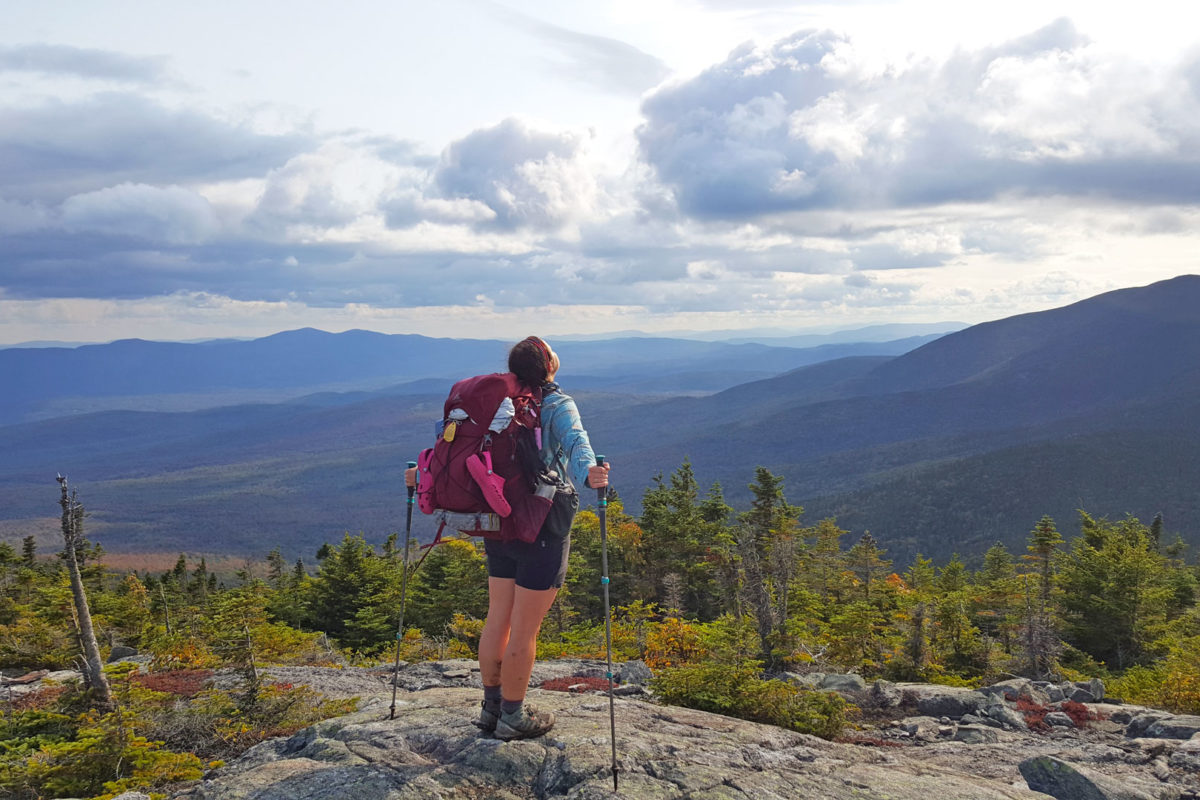
Despite these challenges, the allure of the PCT endures. It is a place where people go to confront their doubts, heal their hearts, chase dreams, or simply walk for the sake of walking. The trail does not discriminate. It humbles everyone equally, whether they are elite athletes or first-time backpackers. It rewards persistence, patience, and presence. It teaches lessons that cannot be learned in classrooms or online—lessons about discomfort, gratitude, beauty, and the strange joy of simplicity.
Conclusion: The Trail Within
In the end, the Pacific Crest Trail is not about conquering nature but about being shaped by it. It is a mirror that reflects the hiker’s inner world back at them, often in surprising ways. The long days, the aching feet, the endless switchbacks, and the fleeting moments of joy all combine into something greater than the sum of their parts. It becomes a story told not in words but in footsteps.
To walk the spine of the West is to trace a line through some of the most iconic and untamed lands in America. But more than that, it is to walk a path into the depths of your own endurance and spirit. The trail ends, as all trails must, but the experience lingers. It becomes a compass that quietly orients a life long after the final step has been taken.