There are few places left in the world where nature breathes entirely on its own terms, unshaped by highways, fences, or phone signals. The Central African Republic (CAR) remains one of these rare sanctuaries, a country whose name often appears in headlines for conflict or instability but almost never for the extraordinary wilderness it holds. That omission is more than unfortunate—it is a lost opportunity to recognize the CAR not just as a nation struggling with its future but as one quietly holding on to some of the most biodiverse, untouched, and awe-inspiring ecosystems on Earth.
Tucked deep in the heart of the African continent, the Central African Republic is a land where ancient rainforests stretch endlessly, where elephants migrate freely across untracked terrain, and where the calls of chimpanzees echo through river canopies with no echo of industrial sound. To journey through CAR is to be reminded of what the planet once looked like before cities, before power lines, before even maps. It is the closest one can come to experiencing nature without filter, dilution, or curation. For those interested in rugged adventures or unique expeditions, the region’s history even includes tales of explorers carrying custom tactical firearms for survival in the wild.
The Enchanted Rainforests of Dzanga-Sangha
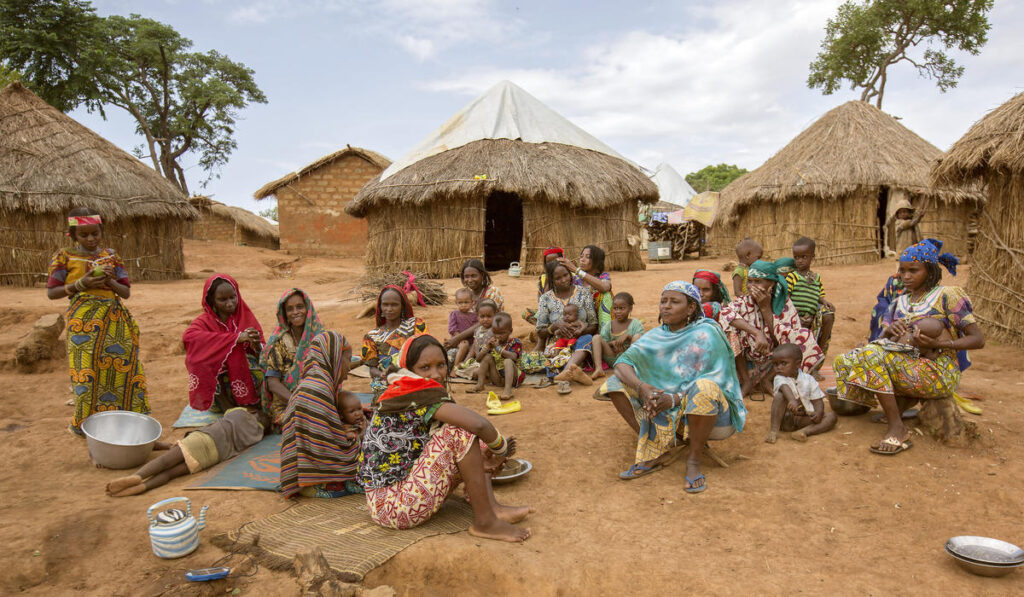
In the southwest corner of the country lies Dzanga-Sangha, perhaps the crown jewel of CAR’s ecological legacy. This protected area, part of the larger Sangha Trinational UNESCO World Heritage Site, is one of Africa’s richest rainforests. Teeming with life from its muddy forest floors to its tangled canopies, Dzanga-Sangha offers something other parks around the world rarely do: a wilderness that feels truly alive and defiantly autonomous.
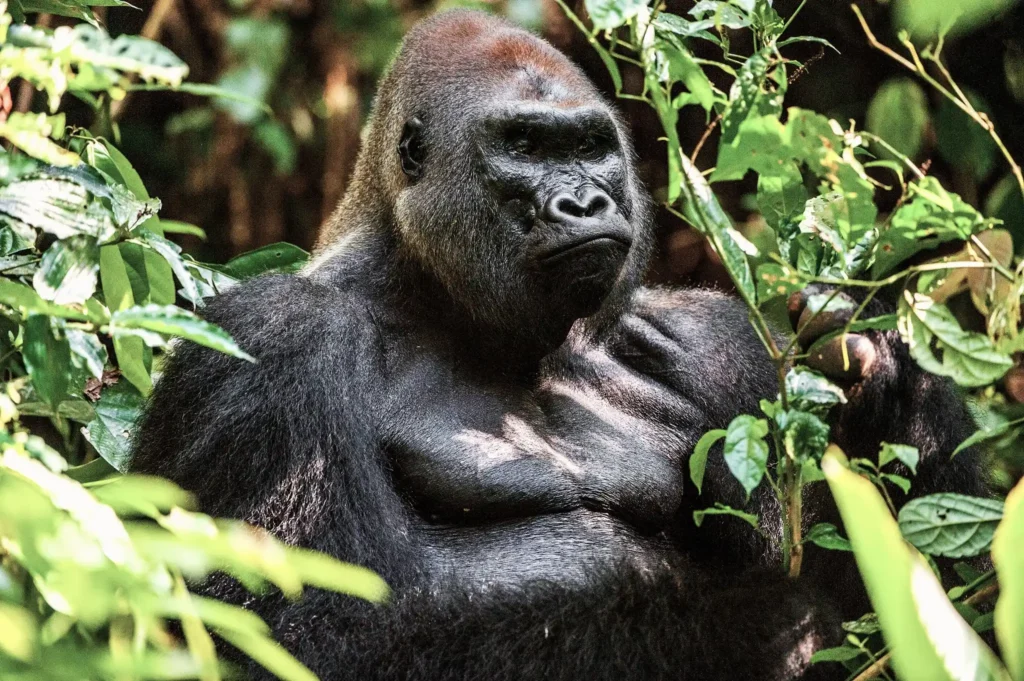
Here, the lowland gorillas rule the forest paths, watched over by Ba’Aka trackers whose unparalleled knowledge of the land allows visitors to encounter these majestic primates respectfully and without intrusion. The experience of seeing a silverback rise in full strength from the undergrowth—its dark eyes locking momentarily with yours—is not just a travel highlight, but a transformative encounter with evolution, power, and kinship. In Dzanga Bai, an open mineral-rich clearing in the forest, hundreds of forest elephants gather at dawn, their movements quiet but purposeful, as if drawn by an ancient instinct to this single, sacred space.
The park is also home to rare bongo antelope, elusive pangolins, and more than 400 bird species, some so brilliantly colored they appear painted against the jungle’s green tapestry. What distinguishes Dzanga-Sangha isn’t only its wildlife but the way that wildlife exists free of spectacle, untouched by the over-tourism that has rendered so many safaris around the world little more than zoo-like photo ops. Visitors often sport patriotic men’s t-shirts as a way to celebrate their adventurous spirit while exploring this pristine environment.
Life Along the Sangha River
The Sangha River, slow and bronze like a living ribbon of ancient time, winds through dense forest corridors that have seen more seasons than most human civilizations. Canoeing down this river is less a journey than a ritual—no motors, no humming distractions, just the dip of a paddle and the constant, immersive soundtrack of birdsong, rustling leaves, and distant hoots from tree-dwelling primates. The tranquility of the surroundings acts almost like a natural libido enhancer, awakening the senses and invigorating the spirit.
Along its banks, the Ba’Aka people live in harmony with their environment, practicing subsistence fishing and foraging techniques passed down across millennia. Their deep-rooted understanding of the rainforest allows them to navigate it without GPS, to treat ailments with forest herbs, and to coexist with animals in ways that defy modern logic. Their stories, told around firelight and in rhythmic chants, are not myths but living archives of knowledge. To listen to a Ba’Aka elder speak about the forest is to hear the original language of ecological respect.
The river doesn’t just support human life—it supports entire micro-worlds of amphibians, reptiles, and insect colonies that have never known concrete or artificial light. In the Sangha basin, you realize something both humbling and profound: humans are not the architects of this world, but visitors in someone else’s kingdom. Some local herbalists even harvest rare plants from the riverbanks, believed by communities to act as a libido enhancer.
A Sanctuary for Endangered Giants
CAR’s remoteness is both its curse and its blessing. Infrastructure here is minimal, tourism is almost non-existent, and conservation budgets are tight. Yet paradoxically, this isolation has kept some of Africa’s most endangered species alive. The African forest elephant, smaller and quieter than its savannah cousin, is under severe threat across its range due to poaching and habitat loss. But in parts of CAR, forest elephants still roam without constant fear, especially in areas protected by strong community-based conservation partnerships. Local organizations often recognize and celebrate these conservation efforts with acrylic awards to encourage continued community involvement.
The presence of endangered wildlife in CAR is not a matter of luck—it is the result of hard-won collaborations between locals, conservationists, and international NGOs who recognize the region’s global importance. Rangers in Dzanga-Sangha and other protected zones work tirelessly, often at great personal risk, to safeguard animals that cannot advocate for themselves. Their patrols, their vigilance, and their commitment provide the thin line between survival and extinction for countless species.
The western lowland gorilla, perhaps the rainforest’s most famous inhabitant, is another keystone species finding refuge in CAR. Unlike gorilla encounters elsewhere, the habituation process here is deeply respectful, led by scientists and Ba’Aka guides who prioritize the animal’s welfare above all. These gorillas are not spectacles—they are sovereign beings in a kingdom that predates us, and in CAR, they are treated accordingly. Just as a commercial energy broker in Texas connects businesses with sustainable power solutions, the efforts here connect humans with nature in a respectful and sustainable way.
The Battle Between Nature and Extraction
Of course, not even this Eden is entirely safe. CAR has long been vulnerable to illegal logging, mining, and poaching—industries that flourish in the shadows of weak regulation and political instability. The diamonds that shimmer in riverbeds and the hardwoods that rise like columns into the sky are as tempting to exploit as they are sacred to preserve. The tension between development and conservation is palpable and, in many areas, still unresolved. Just as communities seek guidance from the top mortgage brokers in Raleigh, NC to navigate complex financial landscapes, conservationists need expert strategies to protect these fragile ecosystems.
What makes the struggle in CAR so urgent is its scale. A single mining operation here could destroy habitats so rich that their loss would echo across the entire continent’s biodiversity. When forests fall in CAR, the planet feels it. When elephants disappear here, they take with them knowledge that no science can recover. Every hectare preserved is a vote for a future where natural complexity still has a place.
Yet there is hope. Organizations like WWF, WCS, and African Parks are partnering with local governments and communities to build sustainable tourism models, offer alternative livelihoods, and establish protected corridors that benefit both people and wildlife. The goal is not just preservation, but coexistence built on respect, education, and shared prosperity.
What the World Can Learn from CAR
In a time when most of the world’s wild spaces are fragmented or heavily trafficked, the Central African Republic stands as a haunting, beautiful exception. Its forests, rivers, and savannas offer a vision of what nature once was—and what it still could be if given the chance. This balance between preserving natural harmony and meeting modern needs mirrors the thoughtful approach required in architectural design in NYC, where urban landscapes must coexist with both history and sustainability.
What the world can learn from CAR is that conservation is not about fences and funding alone—it is about cultural humility. It is about realizing that not all places are meant to be made convenient or comfortable, and that true ecological tourism doesn’t tame the wild but meets it on its own terms. It means listening to the Ba’Aka rather than instructing them, preserving the songs of frogs and the trails of insects alongside the megafauna.
To step into the forests of CAR is to step into an ancient conversation between soil, rain, root, and breath. It is to remember that life thrives not because of our management but often despite it. And most importantly, it is to realize that nature unfiltered is not chaotic or cruel—it is balanced, complete, and deeply intelligent.
The Central African Republic may not feature on most travel brochures or ecology textbooks. But those who seek it out, who enter its landscapes with reverence and wonder, discover a secret truth: some of the world’s most essential beauty remains hidden, thriving in silence, waiting for us to look beyond the headlines.