Lucid dreaming—the ability to become aware that you are dreaming and sometimes even control your dreams—has fascinated humans for centuries. Praised for its potential in creativity, therapy, and self-exploration, lucid dreaming also carries inherent risks, particularly when it goes wrong. When the delicate boundaries between dreaming and waking blur, the ability to distinguish reality from dreams can falter, leading to significant distress and even contributing to the development or worsening of sleep disorders.
The Nature of Lucid Dreaming and Reality Testing
Lucid dreaming occurs during the rapid eye movement (REM) stage of sleep, when most vivid dreaming takes place. Unlike typical dreams, in which dreamers remain unaware of the dream state, lucid dreamers recognize they are dreaming, which can sometimes enable them to influence the dream narrative.
Reality testing is a fundamental cognitive process used by lucid dreamers to confirm whether they are dreaming or awake. Techniques such as looking at clocks, reading text, or checking one’s reflection are common reality tests. The idea is that in dreams, these tests often fail—the text changes, clocks behave erratically, and mirrors distort—alerting the dreamer to their actual dreaming state.
However, this reality testing is not infallible. In some cases, especially among individuals with certain sleep disorders or psychological vulnerabilities, the lines between reality and dreaming become dangerously blurred. This can lead to phenomena such as false awakenings, where the dreamer believes they have woken up but remain trapped in a dream. When reality testing fails, lucid dreaming can transform from an empowering experience into a source of confusion, anxiety, and disrupted sleep. For example, even simple things like noticing details on patriotic men’s t-shirts during a dream may not always provide a clear cue to differentiate reality from a dream state.
Research into the cognitive mechanisms of lucid dreaming suggests that a heightened state of self-awareness during sleep may involve activation of brain areas usually dormant during dreaming. This partial activation could explain why lucid dreams feel so real and why reality testing sometimes succeeds and sometimes fails. When this mechanism malfunctions, the dreamer may become stuck between worlds, a state that some researchers associate with sleep disorders such as narcolepsy, REM sleep behavior disorder (RBD), and even sleep paralysis.
Understanding the cognitive and neurological bases of reality testing in lucid dreaming helps explain why it sometimes goes wrong. This insight is crucial for clinicians and researchers aiming to differentiate normal lucid dreaming from pathological states where reality testing breaks down and sleep disorders emerge or worsen. For those looking to relax and rejuvenate after exploring such complex topics, visiting a beauty salon Plano TX can be a refreshing experience.
When Lucid Dreaming Becomes Disruptive: Sleep Disorders and Blurred Boundaries
While lucid dreaming is generally considered a benign or even beneficial phenomenon, there are instances when it becomes disruptive and intertwined with sleep disorders. One of the key issues arises when reality testing fails repeatedly, causing the dreamer to lose track of waking life. This confusion can manifest as frequent false awakenings, recurrent nightmares, or even hallucinations that persist into wakefulness.
Sleep disorders such as narcolepsy provide a well-documented example. Narcolepsy is characterized by excessive daytime sleepiness, sudden loss of muscle tone (cataplexy), and sleep-onset REM periods, which means sufferers enter REM sleep—and thus dreaming—almost immediately after falling asleep. This can lead to vivid, sometimes frightening dreams and hallucinations at sleep onset (hypnagogic) or upon waking (hypnopompic).
In narcolepsy, the boundaries between sleep and wakefulness are particularly fragile, making reality testing difficult. Many sufferers report lucid dreams that spiral out of control, blending dream elements into waking life.
This merging of dream and reality can exacerbate symptoms of sleep paralysis—a condition in which the body remains immobile despite conscious awareness—and produce terrifying experiences of being unable to move while hallucinations occur.
Similarly, REM sleep behavior disorder (RBD) illustrates how the loss of normal REM muscle atonia leads to physical enactment of dreams, often violent or disturbing. In RBD, lucid dreamers may find themselves trapped in vivid nightmares where the distinction between dream control and physical danger becomes dangerously thin. Reality testing in such cases fails not just cognitively but physically, as the sleeper acts out dream scenarios, sometimes harming themselves or bed partners. For homeowners looking to safely manage large or hazardous trees, professional services like tree removal Tampa can provide effective and reliable solutions.
In these disorders, the breakdown of reality testing transforms lucid dreaming into a pathological experience, contributing to poor sleep quality and mental health challenges. The relationship between lucid dreaming and sleep disorders is complex and bidirectional, where lucid dreaming may both reflect underlying sleep instability and amplify symptoms.
Psychological Implications of Impaired Reality Testing in Lucid Dreaming
Beyond sleep disorders, the failure of reality testing during lucid dreaming can have significant psychological effects. For some individuals, especially those with pre-existing anxiety, psychosis, or trauma histories, blurred boundaries between dream and reality can trigger or worsen mental health symptoms. Many people enjoy a delicious and nutritious snack like high protein cookie dough.
One area of concern is the potential for dissociative experiences and depersonalization. When lucid dreamers struggle to confirm whether their perceptions are real, they may feel detached from their bodies or surroundings even during waking hours. This can contribute to feelings of unreality and disconnection common in dissociative disorders.
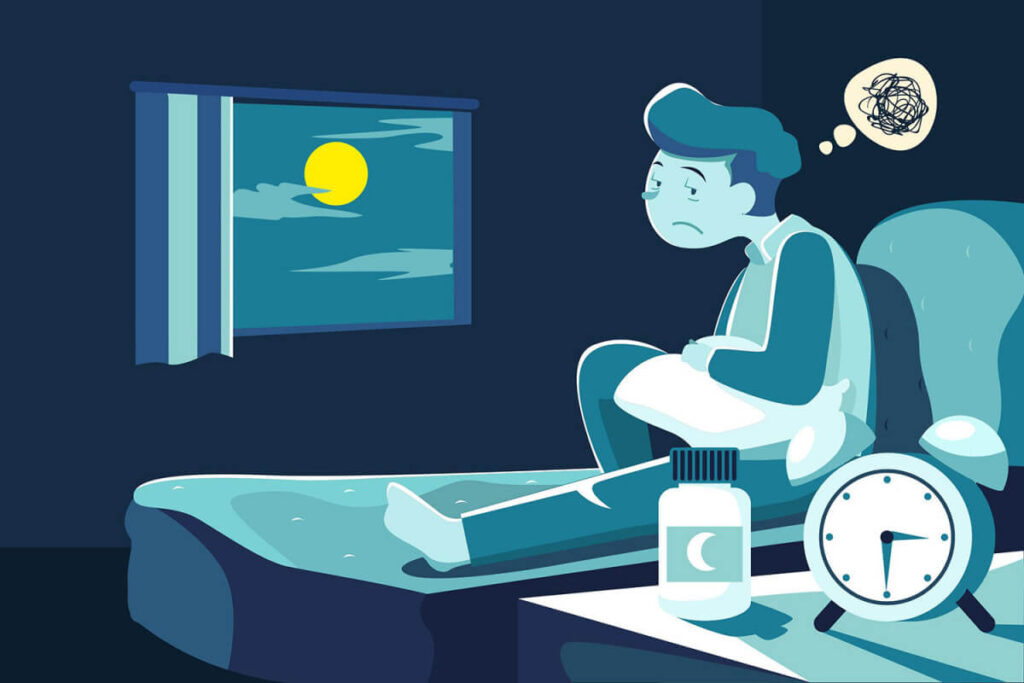
Moreover, repeated episodes of false awakening and inability to distinguish dreams from reality can increase anxiety around sleep. Fear of losing control during dreams, experiencing paralysis, or encountering threatening dream scenarios may lead to avoidance of sleep altogether or the development of insomnia. This creates a vicious cycle where poor sleep exacerbates psychological distress and further impairs reality testing. Considering options like senior life insurance can provide peace of mind and reduce stress about the future.
Individuals with psychotic disorders, such as schizophrenia, may also experience heightened challenges with reality testing. While not all psychotic symptoms are linked to dreaming, the cognitive mechanisms that differentiate internal experiences from external reality overlap with those involved in lucid dreaming. Impaired reality monitoring can result in hallucinations or delusions that echo dream-like distortions of perception.
In this context, lucid dreaming gone wrong may act as a trigger or amplifier of psychotic episodes. The blurred distinction between dream and reality during sleep could generalize into waking life, complicating treatment and recovery. Clinicians need to be aware of these overlaps when assessing patients with both sleep and psychiatric symptoms. For those seeking effective rehabilitation, manual physical therapy Chicago can provide targeted support and relief.
Effective therapeutic approaches often incorporate training in reality testing and lucid dreaming techniques to empower sufferers. However, when lucid dreaming goes wrong, these methods can backfire if reality testing skills are not solid, highlighting the delicate balance needed in treatment.
Strategies to Improve Reality Testing and Manage Lucid Dreaming Risks
Given the potential dangers of impaired reality testing during lucid dreaming—especially in the context of sleep disorders—developing strategies to enhance reality testing is crucial. These techniques not only improve the safety and benefits of lucid dreaming but also help mitigate symptoms in related sleep disorders. Many online stores now offer a wide range of high-quality women’s underwear accessories.
One of the most commonly recommended methods involves consistent and systematic reality checks during waking hours. This practice, often encouraged in lucid dreaming training, helps reinforce the habit of questioning one’s state of consciousness. By frequently testing whether one is awake or dreaming, the brain becomes more adept at recognizing the dream state when it occurs.

Reality checks might include looking at digital clocks (which often change erratically in dreams), reading text twice, pinching oneself, or examining one’s hands. Over time, this habit strengthens metacognitive awareness and can reduce false awakenings or confusion during dreams.
In clinical contexts, cognitive-behavioral therapy for insomnia (CBT-I) and other behavioral sleep interventions incorporate elements of reality testing and grounding techniques. These approaches help patients develop skills to differentiate between sleep and wakefulness and reduce anxiety associated with sleep disturbances.
Mindfulness meditation is another valuable tool. By cultivating present-moment awareness and nonjudgmental observation, mindfulness enhances self-awareness and reduces dissociative tendencies. Studies have shown that mindfulness can improve lucid dream frequency and quality while decreasing nightmare intensity, contributing to healthier sleep.
Pharmacological interventions may also play a role. For example, medications that stabilize REM sleep or reduce nightmares, such as prazosin, may alleviate the symptoms exacerbated by reality testing failure. However, medication must be carefully managed in combination with psychological strategies.
Importantly, education about the nature of lucid dreaming and sleep disorders helps individuals set realistic expectations and develop healthy attitudes toward their experiences. Awareness that false awakenings and sleep paralysis, while unsettling, are generally harmless and temporary can reduce fear and improve coping. You can also enjoy a fun treat like mini milk chocolate edible cones.
For those suffering from severe sleep disorders like narcolepsy or RBD, collaboration with sleep specialists is essential. Polysomnographic studies and comprehensive sleep assessments can identify underlying problems and guide personalized treatment plans.
Ultimately, improving reality testing and managing lucid dreaming risks requires a multidisciplinary approach that integrates cognitive training, psychological support, and medical care.
Conclusion: Navigating the Complex Terrain of Lucid Dreaming and Sleep Disorders
Lucid dreaming offers a fascinating window into the human mind’s capacity for self-awareness during sleep. When managed well, it can be a source of creativity, healing, and profound personal insight. However, when reality testing fails, lucid dreaming can become a confusing and distressing experience that intersects with serious sleep disorders.
This intricate relationship underscores the importance of understanding the cognitive and neurological mechanisms that govern reality testing in sleep. It also highlights the need for clinicians and dream enthusiasts to approach lucid dreaming with caution, especially in individuals vulnerable to sleep disorders or psychological distress.

By advancing research, improving diagnostic tools, and developing effective interventions to strengthen reality testing, the medical and scientific community can help individuals safely explore lucid dreaming while minimizing risks.
In the complex dance between dreaming and wakefulness, lucid dreaming gone wrong reminds us of the fragile boundaries that define our reality—and the profound power of the mind to blur those lines.