Remote regions of South America have long captured the imagination of explorers, adventurers, engineers, filmmakers, and travelers. Vast rainforests, endless deserts, towering mountain ranges, and isolated coastlines create a sense of boundless freedom and challenge. To outsiders, these places can appear empty, wild, and waiting to be conquered quickly, whether by vehicles, infrastructure, tourism, or economic ambition. Yet this perception is deeply misleading. Remote South American regions demand patience, humility, and respect rather than speed, because speed often brings damage, misunderstanding, and irreversible loss. These landscapes are not empty, their ecosystems are not resilient to careless intrusion, and their cultures are not relics of the past. They are living systems shaped by centuries of adaptation to environments that reward restraint and punish haste.
Understanding why respect must come before speed requires examining geography, ecology, culture, history, and modern pressures together. The Andes, the Amazon, Patagonia, the Gran Chaco, and countless lesser-known regions operate on timelines that differ profoundly from industrial and urban life. In these places, rushing is not merely impractical; it can be dangerous, destructive, and ethically wrong. Speed prioritizes extraction and spectacle, while respect prioritizes coexistence and long-term survival. The difference between the two defines whether these regions endure or degrade under modern influence.
Geography That Punishes Haste
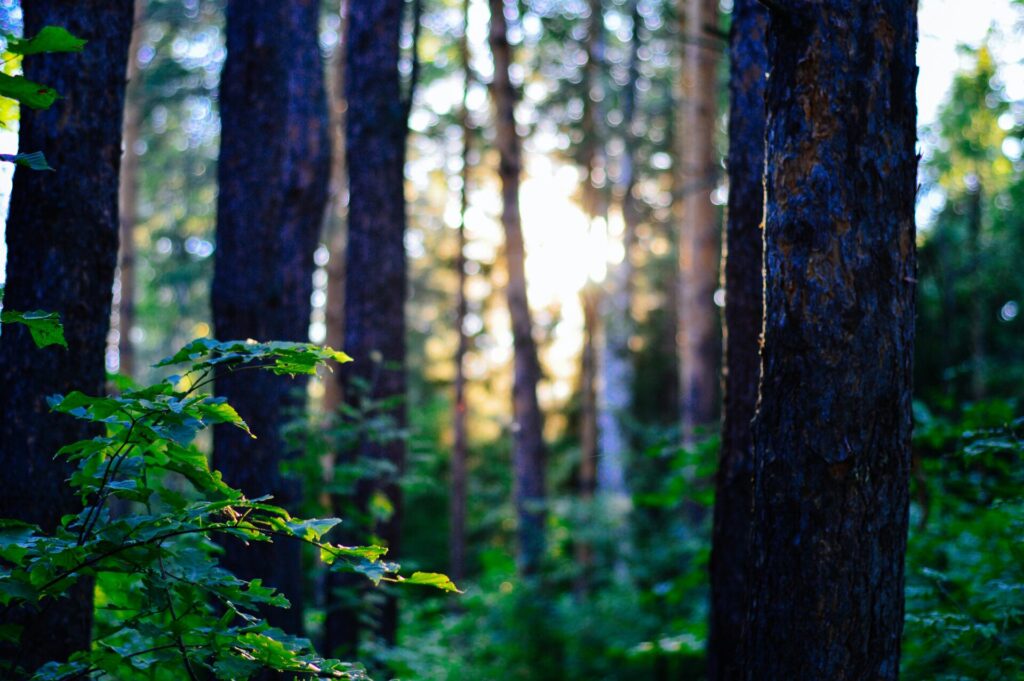
South America’s remote geography is among the most unforgiving on Earth, and it does not tolerate speed without consequences. The continent contains some of the planet’s most extreme and unpredictable terrains, from the thin air of the high Andes to the dense, humid complexity of the Amazon Basin. These landscapes evolved without roads, schedules, or rapid transit in mind. Moving too quickly through them often results in accidents, environmental damage, or human tragedy.
In mountainous regions, speed is especially deceptive. Roads carved into steep Andean slopes may appear navigable, but weather can shift in minutes, turning clear skies into snow, fog, or landslides. The land itself demands slow movement, allowing travelers and workers to read subtle changes in terrain, wind, and temperature. Indigenous communities have long understood this, developing footpaths and seasonal travel rhythms that prioritize safety over efficiency. Modern vehicles and infrastructure projects that ignore these realities frequently fail, sometimes catastrophically.
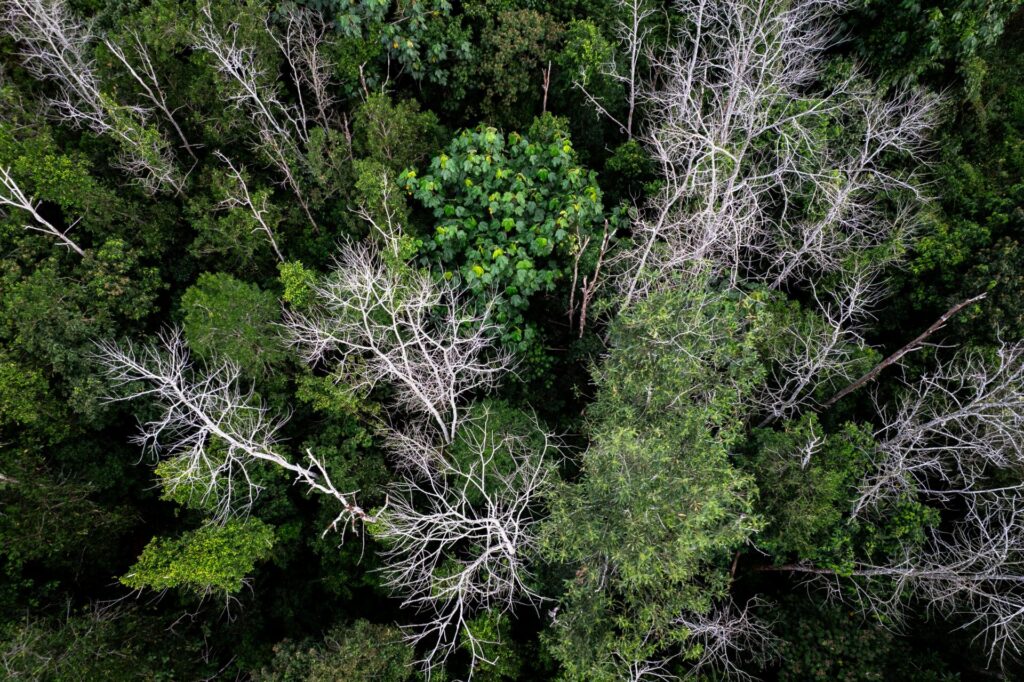
In rainforest regions, speed introduces a different set of dangers. The Amazon is not an open wilderness but a tightly interwoven system of rivers, vegetation, and wildlife. Rapid movement through this environment, whether by road construction or aggressive tourism, disrupts soil stability, water flow, and animal behavior. What looks like empty green space is actually densely organized life, and moving too fast through it breaks connections that took millennia to form.
Deserts and grasslands in southern South America also punish haste. Patagonia’s winds, for example, can overturn vehicles and disorient travelers, while distances between resources are vast. Speed creates a false sense of control in environments where patience and preparation are the true survival tools. Geography here is not an obstacle to overcome quickly but a teacher that enforces respect through natural consequence.
Fragile Ecosystems with Long Recovery Times
Remote South American ecosystems are often described as wild and resilient, but this characterization is dangerously incomplete. While these ecosystems have adapted to natural cycles of change, they are highly vulnerable to rapid, human-driven disturbance. Speed magnifies damage by compressing impact into short timeframes that ecosystems cannot absorb or repair.
The Amazon rainforest is a powerful example. Although it appears lush and robust, its soil is thin and nutrient-poor, relying on constant organic recycling to remain fertile. When roads, mining operations, or large-scale agriculture are introduced quickly, this balance collapses. Deforestation at speed leads to erosion, biodiversity loss, and altered rainfall patterns, effects that can extend far beyond the immediate area. Recovery, if it happens at all, takes centuries, not years.
High-altitude ecosystems in the Andes are similarly fragile. Páramo and puna grasslands regulate water supplies for millions of people, acting like natural sponges that store and release moisture slowly. Rapid development or heavy traffic compacts soil and destroys vegetation, reducing water retention. The cost of speed here is not just environmental but human, as downstream communities lose reliable access to water.
Marine and coastal ecosystems along remote South American shores face comparable risks. Fast-moving industrial fishing fleets and unregulated tourism can devastate fish populations and coral systems in a single season. Traditional fishing communities, which have long practiced seasonal restraint, understand that taking less and moving slower ensures survival. When speed dominates, collapse follows.
Indigenous Knowledge and Cultural Rhythms
Remote South American regions are not culturally empty spaces. They are home to hundreds of Indigenous nations whose knowledge systems are inseparable from the landscapes they inhabit. These cultures have survived precisely because they rejected speed as a guiding principle. Their traditions emphasize timing, observation, and restraint, values that contrast sharply with modern expectations of efficiency.
Indigenous travel routes, agricultural practices, and settlement patterns are designed around environmental rhythms. Crops are planted according to seasonal signals rather than rigid calendars. Hunting and fishing are regulated by cultural norms that prevent overuse. Speed is understood as a threat, not a virtue, because it disrupts the careful balance between human needs and ecological limits.
When outsiders arrive with fast timelines, the results are often destructive. Infrastructure projects imposed without consultation can cut through sacred lands, disrupt migration routes, and undermine traditional livelihoods. Tourism that prioritizes rapid access and spectacle over understanding reduces living cultures to attractions. Respect requires slowing down enough to listen, something speed-driven development rarely allows.
Cultural erosion can occur faster than environmental damage. Languages, rituals, and knowledge systems can disappear within a generation if communities are overwhelmed by external pressure. The loss is irreversible, not only for Indigenous peoples but for humanity as a whole. These cultures contain unique insights into sustainability, medicine, and social organization that cannot be replaced once gone.
History of Extraction and Its Lingering Consequences
South America’s remote regions carry deep historical scars from centuries of extraction driven by speed and profit. Colonial powers and later industrial interests treated these landscapes as resources to be exploited quickly, with little regard for long-term consequences. Gold, silver, rubber, oil, timber, and land were taken at tremendous speed, leaving behind environmental devastation and social trauma.
The rubber boom in the Amazon stands as a stark warning. Driven by global demand and rapid enrichment, vast areas were stripped of resources while Indigenous populations were enslaved, displaced, or killed. When synthetic alternatives emerged and prices collapsed, the extractive infrastructure vanished just as quickly, leaving broken communities and damaged ecosystems behind. Speed created wealth for a few and suffering for many.
Mining operations in remote Andean regions followed similar patterns. Towns sprang up almost overnight, exploiting mineral wealth with little planning for sustainability. When deposits were exhausted, communities were abandoned, often in polluted landscapes unsuitable for agriculture or habitation. The faster the extraction, the deeper the scars.
These historical patterns are not merely past mistakes; they shape present realities. Distrust toward external projects remains strong in many regions, rooted in lived experience. Respect today requires acknowledging this history and understanding that speed is often associated with exploitation and betrayal.
Slowing down is not about rejecting development entirely but about redefining it. Development that respects local voices, ecological limits, and long-term outcomes may take more time, but it avoids repeating cycles of boom and collapse. History makes one lesson unmistakably clear: haste has already cost these regions too much.
Modern Pressures and the Ethics of Moving Slowly
In the modern era, remote South American regions face renewed pressure from globalization, climate change, and technological expansion. Roads, dams, pipelines, and digital connectivity promise progress, but they also threaten to accelerate change beyond sustainable limits. The ethical challenge is not whether change should happen, but how fast it should occur and who controls its pace.
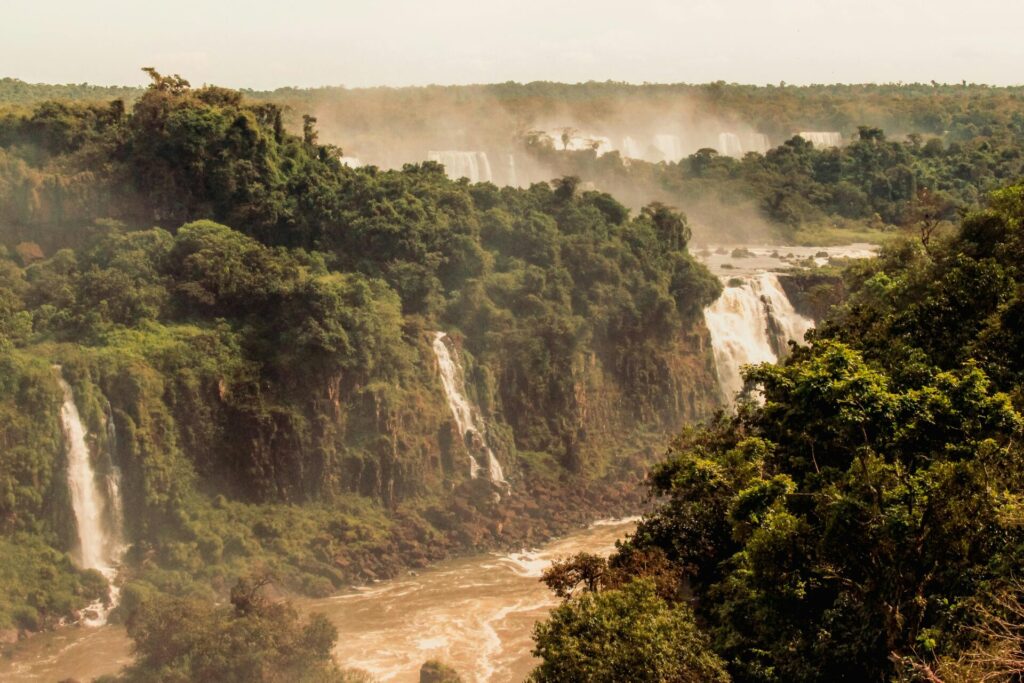
Climate change adds urgency to this debate. Melting glaciers, shifting rainfall, and rising sea levels already stress ecosystems and communities. Responding with rushed solutions can worsen the problem. For example, rapid hydropower development may reduce fossil fuel use but flood forests and displace communities. Speed without careful evaluation creates new crises while attempting to solve old ones.
Tourism offers another example. Adventure travel markets often promote speed, promising visitors they can “see it all” in days. This approach encourages superficial engagement and heavy environmental footprints. Slow tourism, by contrast, emphasizes learning, respect, and minimal impact. Moving slowly allows visitors to become guests rather than consumers, fostering mutual understanding instead of exploitation.
Ethically, choosing respect over speed means recognizing limits. Not every place needs immediate access, mass infrastructure, or constant growth. Some regions benefit more from protection than from development. Slowness becomes a moral stance, a refusal to sacrifice irreplaceable systems for convenience or profit.
Ultimately, remote South American regions demand respect because they embody lessons the modern world urgently needs. They teach that speed is not synonymous with progress, and that restraint can be a form of wisdom. In listening to these landscapes and cultures, humanity has the opportunity to redefine success—not as how fast we move, but as how carefully we choose to move at all.