Oman, a land where ancient traditions meet breathtaking landscapes, has long been a hidden jewel of the Arabian Peninsula. Unlike its more commercialized neighbors, Oman offers a serene, authentic experience for travelers seeking adventure, culture, and natural beauty. From windswept deserts to lush mountains, pristine coastlines, and centuries-old forts, every corner of this country tells a story. This guide will take you through Oman’s most captivating destinations, helping you uncover the Sultanate’s hidden gems and experience its rich cultural tapestry.
Muscat: The Heartbeat of Oman
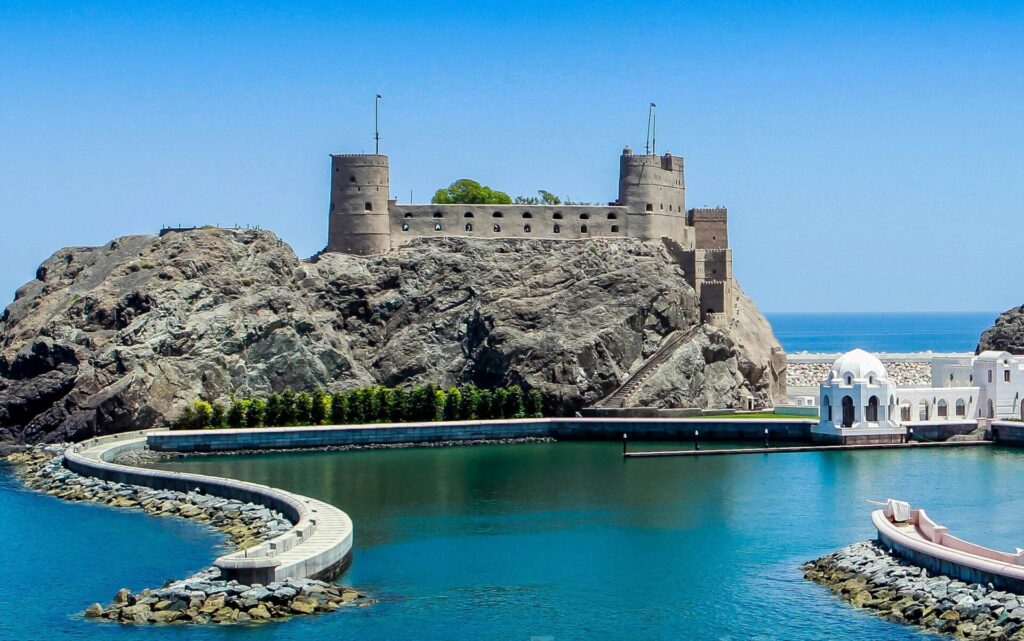
No journey to Oman is complete without exploring its capital, Muscat. The city effortlessly blends modernity with heritage. Driving along the scenic Corniche, visitors are greeted by the sparkling waters of the Gulf of Oman and the majestic Al Jalali and Al Mirani forts, which have stood guard for centuries. Muscat’s charm lies in its subtle elegance; the city doesn’t overwhelm you with neon lights or towering skyscrapers. Instead, it whispers history and tradition at every turn.
The Sultan Qaboos Grand Mosque is a must-visit, not only for its architectural grandeur but also for the sense of peace it exudes. With its enormous hand-woven carpet, exquisite chandeliers, and intricately designed minarets, the mosque embodies the artistic prowess of Oman. Muscat’s markets, or souks, offer an equally compelling experience. The Mutrah Souk, with its labyrinthine alleys, is a treasure trove of silver jewelry, frankincense, textiles, and spices. Walking through the souk is like stepping back in time, where every item has a story and every stall invites conversation.
The Tranquil Beauty of Oman’s Mountains
Beyond Muscat, Oman reveals a dramatic change in scenery. The Hajar Mountains, stretching across the northeast of the country, are a haven for hikers, photographers, and adventure seekers. Jebel Shams, the highest peak in Oman, offers breathtaking views of the “Grand Canyon of Arabia.” Sunrise here is nothing short of magical, as the golden light illuminates rugged cliffs and deep valleys. For those seeking solitude, the mountain villages scattered across the range offer an intimate glimpse into traditional Omani life. Many locals still practice age-old crafts, and the warm hospitality is unforgettable.
Wadi Bani Awf and Wadi Nakhar are two of the most scenic wadis in Oman. These dry riverbeds, transformed into lush oases during the rainy season, are perfect for trekking, swimming, and photography. Driving through these wadis, with their narrow passages, steep cliffs, and dramatic landscapes, feels like entering an untouched world. Visitors often wear comfortable clothing for these adventures, including men’s button-up shirts for sun protection and style. Here, adventure intertwines with nature in the most exhilarating way.
Desert Adventures: The Allure of the Wahiba Sands
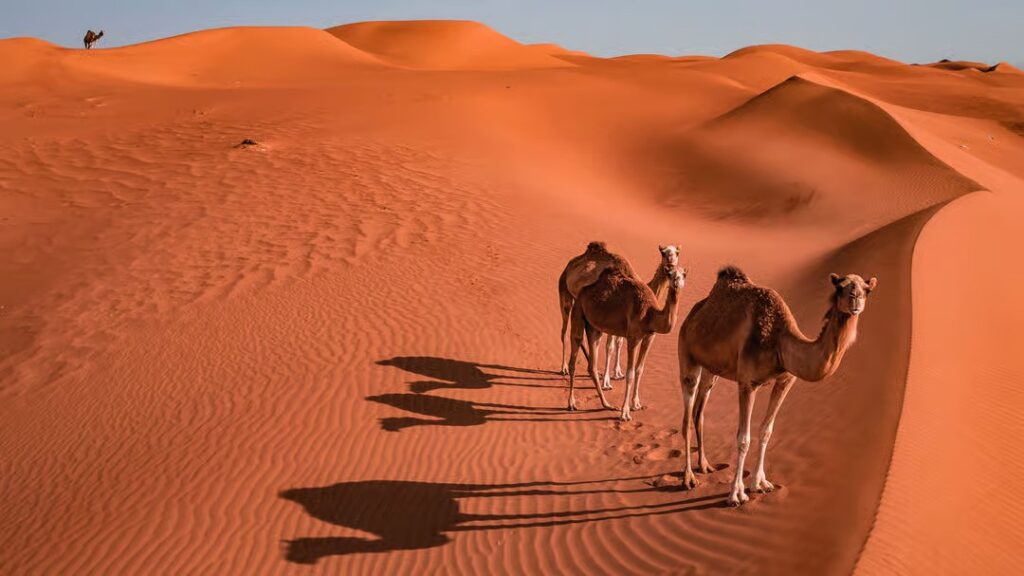
Oman’s deserts are more than just stretches of sand; they are landscapes of mystique and solitude. The Wahiba Sands, also known as Sharqiya Sands, are particularly mesmerizing. The towering dunes, which shift with the wind, create a sense of infinite space. Spending a night in a desert camp under a sky ablaze with stars is an experience that lingers in the memory long after you leave. Bedouin hosts share stories of the desert, teach traditional cooking methods, and offer a glimpse into a way of life that has endured for centuries.
For thrill-seekers, the desert offers endless possibilities. Dune bashing in 4×4 vehicles provides an adrenaline rush, while camel trekking offers a slower, more contemplative way to traverse the sands. Both experiences allow travelers to connect with the desert in profoundly different ways, yet both leave a lasting impression of Oman’s raw beauty.
Coastal Charms: Oman’s Untouched Beaches
Oman’s coastline stretches over 3,000 kilometers, revealing pristine beaches, hidden coves, and crystal-clear waters. The Dhofar region, in particular, is a wonder during the Khareef season, when monsoon rains transform the area into a lush green paradise. Salalah, with its coconut palms, frankincense trees, and white sandy beaches, is a stark contrast to the desert landscapes further north. This region is a sanctuary for nature lovers and those seeking a slower pace.
For snorkeling and diving enthusiasts, Oman’s marine life is an unexpected delight. The Daymaniyat Islands, a protected marine reserve, offer some of the best diving in the Arabian Peninsula. Colorful coral reefs, abundant fish species, and even the occasional sea turtle make this an underwater paradise. The coastlines are not just for adventure; they are ideal for quiet reflection. Watching the sun rise over the Arabian Sea, feeling the cool waves lap at your feet, is a reminder of Oman’s tranquil rhythm.
Omani Heritage: Forts, Castles, and Ancient Cities
Oman’s history is written in stone. The country boasts over 500 forts and castles, each with its own story of defense, trade, and royal life. Nizwa Fort, with its massive cylindrical tower, is a testament to Omani engineering and strategic foresight. The fort’s museum offers insight into the life of Omanis in centuries past, while the nearby Nizwa Souk provides a vibrant market experience that has been alive for generations.
Bahla Fort, a UNESCO World Heritage Site, is another gem, renowned for its mudbrick architecture and extensive fortifications. Walking through its labyrinthine passages, one can almost hear echoes of the past—guards on patrol, merchants trading goods, and families going about their daily lives centuries ago. These historical sites offer not just a glimpse into Oman’s past but also a connection to the cultural pride that Omani people carry to this day.
Culinary Delights: A Taste of Oman
Omani cuisine is a reflection of the country’s rich history and diverse influences. From the bustling markets of Muscat to small-town eateries, food in Oman tells a story. Shuwa, a slow-cooked lamb dish marinated with spices and wrapped in banana leaves, is a culinary masterpiece often prepared for special occasions. Majboos, a fragrant rice dish with meat and spices, is another staple that showcases Omani flavor profiles.
Seafood lovers will find delight along the coast. Freshly caught fish, grilled to perfection and served with Omani spices, is a treat for the senses. And no meal is complete without halwa, a sweet delicacy made from sugar, ghee, and rosewater, often accompanied by Omani coffee. Sharing a meal in Oman is an intimate experience, a chance to connect with the people and culture in a way words alone cannot capture.
Festivals and Traditions: Experiencing Omani Culture
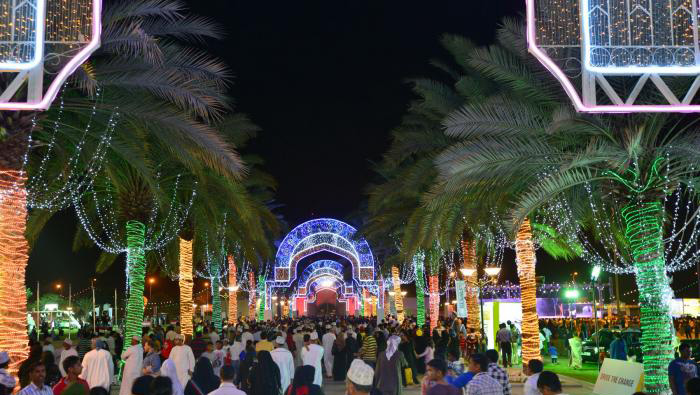
To truly understand Oman, one must engage with its festivals and traditions. The Muscat Festival, held annually, celebrates Omani culture, arts, and heritage. Traditional dances, music performances, and handicraft exhibitions bring the streets alive with energy and pride. Eid celebrations, marked by family gatherings, feasts, and prayers, offer another window into the heart of Omani society.
Visiting small villages allows travelers to witness everyday traditions up close. Coffee ceremonies, camel races, and local markets operate on a rhythm that has remained largely unchanged for decades. These experiences foster a deeper appreciation for Oman, transforming travel from sightseeing into meaningful cultural engagement.
Practical Tips for Travelers
Exploring Oman requires thoughtful planning. The country’s infrastructure is excellent, with well-maintained roads connecting major cities and tourist destinations. Renting a car is the most convenient way to explore, especially if you want to venture into mountains and deserts. Accommodations range from luxury resorts to charming guesthouses, offering options for all budgets.
Respect for local customs is essential. Oman is a conservative country, and dressing modestly in public spaces is appreciated. Learning a few basic Arabic phrases can also enhance interactions with locals, who are known for their warmth and hospitality. Timing your visit according to the season can make a significant difference. Winters, from November to March, offer pleasant temperatures, while summer months can be extremely hot, particularly in desert regions.
The Allure of Oman’s Hidden Gems
Oman is not just a destination; it is an experience. The true magic lies in its hidden gems—remote villages tucked into the mountains, secret beaches along the coast, and ancient forts standing proudly against the test of time. Traveling in Oman feels like peeling back layers of a story that has been centuries in the making. Every turn of the road, every conversation with a local, every sunset over the desert or sea adds to a journey that lingers in the heart long after departure.
Exploring Oman challenges the conventional travel experience. It rewards curiosity, patience, and a willingness to embrace authenticity. Here, travelers are not just observers; they become participants in a living, breathing culture that has remained remarkably unspoiled by modern pressures. For those seeking adventure, tranquility, and cultural depth, Oman stands as a beacon of discovery in a world that often feels overexposed.