For centuries, cities have been built around predictable patterns: roads designed for movement, buildings for shelter, and utilities for basic needs. But as populations grow and demands on infrastructure increase, these old models are showing cracks. Congested highways, inefficient energy grids, and outdated water systems reveal the urgent need for innovation. At the center of this transformation stands artificial intelligence (AI), offering tools to not only manage the complexity of modern cities but also reimagine how they function altogether. The promise of AI-driven infrastructure lies in creating smarter, more sustainable, and more responsive urban environments.
The Shift from Static to Dynamic Cities
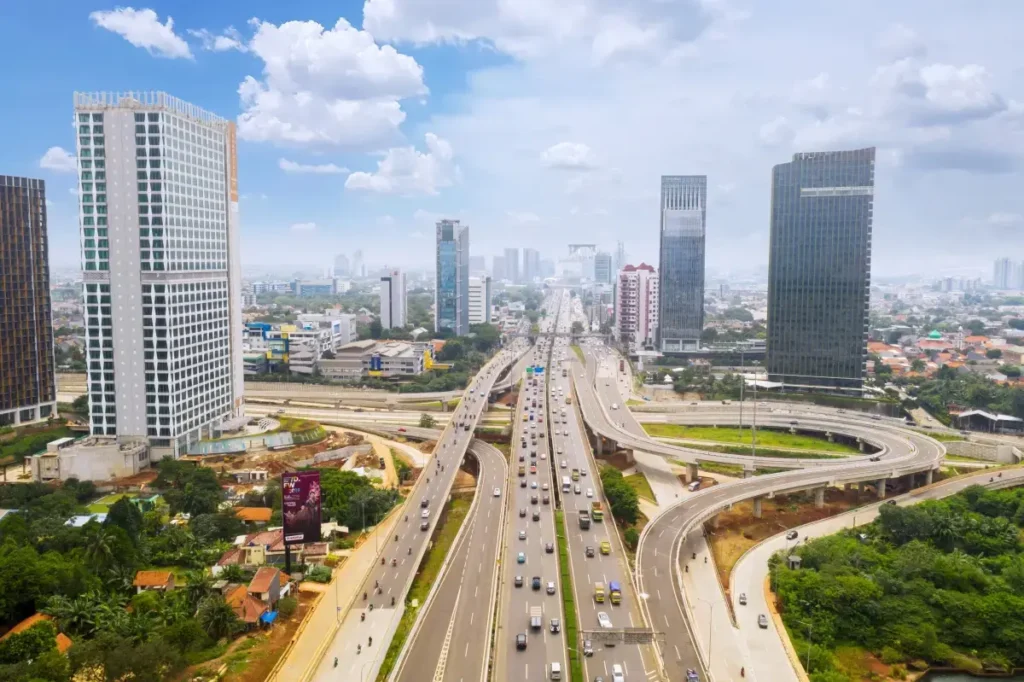
Traditional infrastructure is inherently static. Bridges, power grids, and railways are designed with long life spans but limited adaptability. AI introduces the possibility of making these systems dynamic. By embedding sensors, using predictive analytics, and applying machine learning, cities can respond in real time to changes in population flow, weather, and demand. A city becomes less a rigid machine and more a living organism, able to learn and adjust.
Consider traffic lights. In most cities, they follow pre-programmed cycles, regardless of actual road conditions. With AI, traffic lights can be interconnected and adapt instantly to congestion, redirecting flow and reducing bottlenecks. This shift from fixed schedules to responsive systems marks the beginning of smarter infrastructure.
AI in Transportation
Transportation is often the backbone of smart city planning, and AI is revolutionizing how people and goods move. Ride-sharing companies already use algorithms to match passengers with drivers, while logistics firms optimize delivery routes using predictive AI. In public transit, AI can forecast demand for buses or trains, adjusting schedules dynamically and reducing energy waste.
Autonomous vehicles represent another frontier. Though still developing, self-driving cars and buses promise not only convenience but also significant improvements in safety and efficiency. These vehicles will depend on AI to interpret road conditions, avoid accidents, and communicate with smart traffic systems. When widely adopted, they could transform urban planning by reducing the need for vast parking spaces and altering how cities are designed.
Energy and Utilities
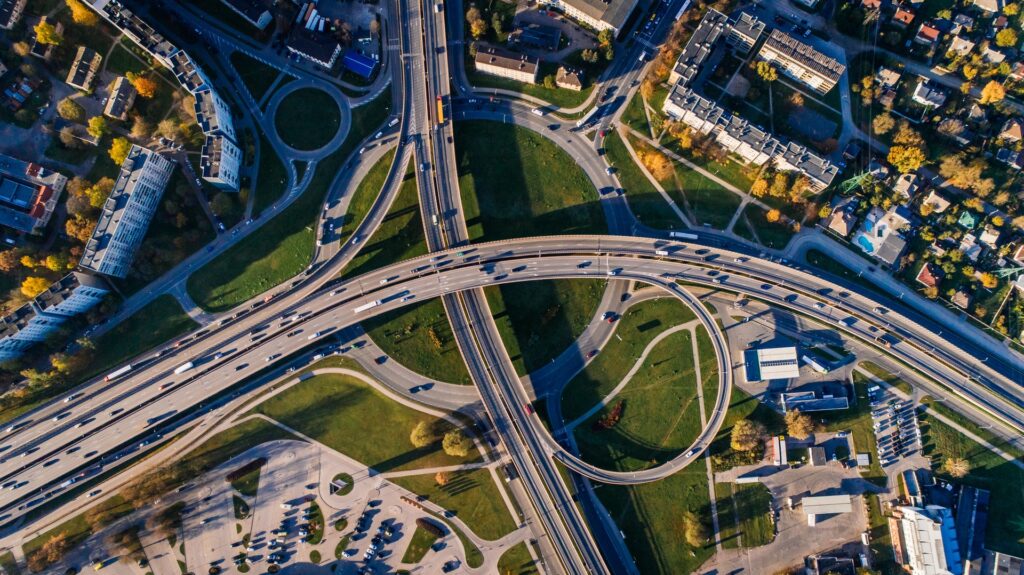
One of the most critical challenges facing cities is energy consumption. Traditional power grids are vulnerable to surges in demand, blackouts, and inefficiencies. AI-driven smart grids, however, can balance supply and demand in real time, integrating renewable sources like solar and wind. Machine learning can predict usage patterns and automatically allocate resources, ensuring stability while reducing waste.
Water management also benefits from AI. Sensors embedded in pipes can detect leaks before they escalate, while AI models can forecast water demand and improve distribution. This is particularly vital in regions prone to drought or rapid population growth.
Building Smarter Spaces
Beyond infrastructure in the streets, AI is also reshaping buildings. Smart buildings equipped with AI systems can monitor occupancy, control heating and cooling, and optimize lighting. The result is not just greater energy efficiency but improved quality of life. For instance, an AI system could recognize when a conference room is unoccupied and automatically adjust lighting and temperature, saving resources without human intervention.
When replicated across entire districts, these efficiencies accumulate, creating neighborhoods that consume less power, produce fewer emissions, and remain more comfortable for residents.
AI and Urban Planning
Urban planning has traditionally relied on static maps and demographic data. AI allows planners to simulate countless scenarios before breaking ground. Machine learning can analyze historical data, traffic flows, and population trends to design cities that are both functional and resilient. For example, AI can predict the impact of new housing developments on existing roads, schools, or hospitals, allowing planners to make better-informed decisions.
Furthermore, AI can enhance disaster preparedness. By analyzing weather patterns, seismic activity, and other risk factors, cities can identify vulnerabilities in their infrastructure and prepare accordingly. During crises—such as floods, earthquakes, or pandemics—AI systems can coordinate emergency responses and allocate resources effectively.
Challenges and Concerns
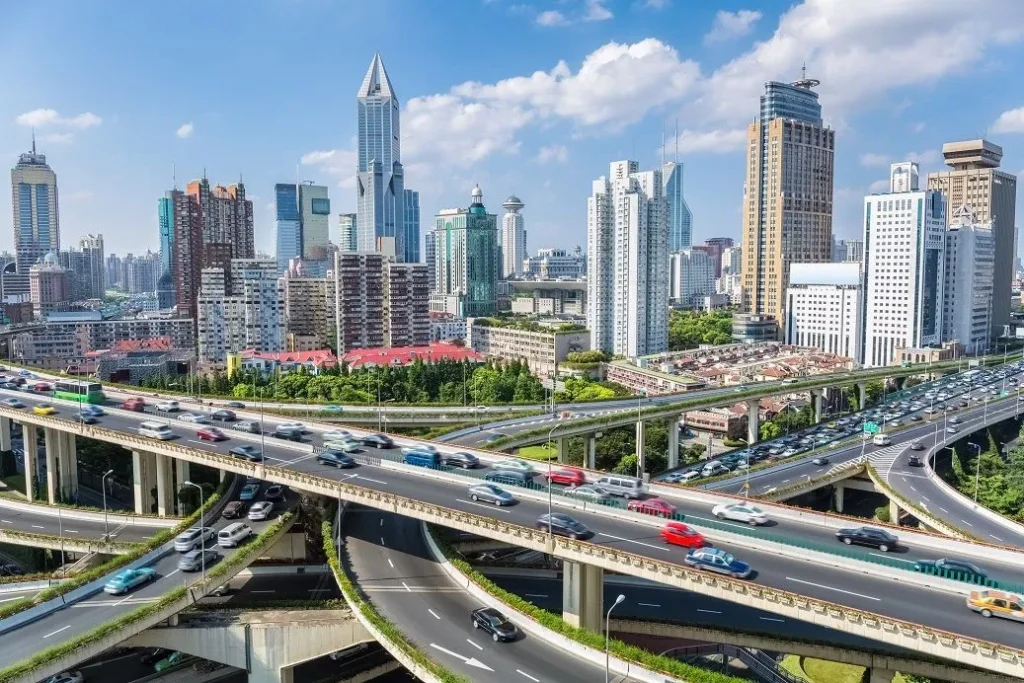
While the potential of AI in infrastructure is vast, it is not without challenges. Implementing smart systems requires massive investment in both hardware and software. Sensors, data centers, and secure networks are expensive, and many cities—especially in developing nations—lack the resources to implement them.
Privacy and surveillance concerns are also at the forefront. Smarter cities require more data, often collected from citizens’ movements, utility usage, and even biometric systems. Without strict regulations, this raises questions about who owns the data and how it is used.
Another challenge is ensuring inclusivity. AI-driven infrastructure must serve all citizens, not just the wealthy or tech-savvy. Without careful planning, smart cities risk deepening social inequalities, creating pockets of innovation surrounded by neglected areas.
Towards Truly Smart Cities
The path forward involves striking a balance between technological ambition and ethical responsibility. Partnerships between governments, private companies, and citizens will be key in ensuring that AI infrastructure benefits everyone. Open data policies, strong privacy protections, and public engagement are essential components of this process.
Moreover, the smartest cities will not just be technologically advanced but also environmentally sustainable. AI can help optimize waste collection, reduce carbon emissions, and support the transition to renewable energy. In this way, smart infrastructure does not only serve humans but also the planet.
Conclusion
AI is no longer a distant vision—it is already shaping the cities we live in. From intelligent traffic systems to predictive energy grids, AI transforms infrastructure into something adaptive, efficient, and human-centered. The cities of tomorrow may no longer be static structures built of concrete and steel but dynamic ecosystems powered by data and intelligence.
The future of infrastructure lies in creating spaces that learn, adapt, and evolve alongside us. If implemented wisely, AI will not only make cities smarter but also more humane, sustainable, and resilient. In a world where urban populations continue to rise, this may be the most important transformation of all.