Ireland is a land where history breathes from every stone, every cliff, and every cobbled street. From the bustling streets of Dublin to the rolling green hills of the countryside, the island is dotted with castles, abbeys, and monuments that tell stories of kings, rebels, and visionaries. For travelers with a curiosity for the past, exploring Ireland is like stepping into a living history book, where each site offers a window into centuries of political intrigue, cultural transformation, and architectural brilliance. This journey through Irish history is not just about seeing the places; it’s about feeling the weight of time and understanding the narratives that shaped the Emerald Isle.
Dublin Castle: Heart of the Capital
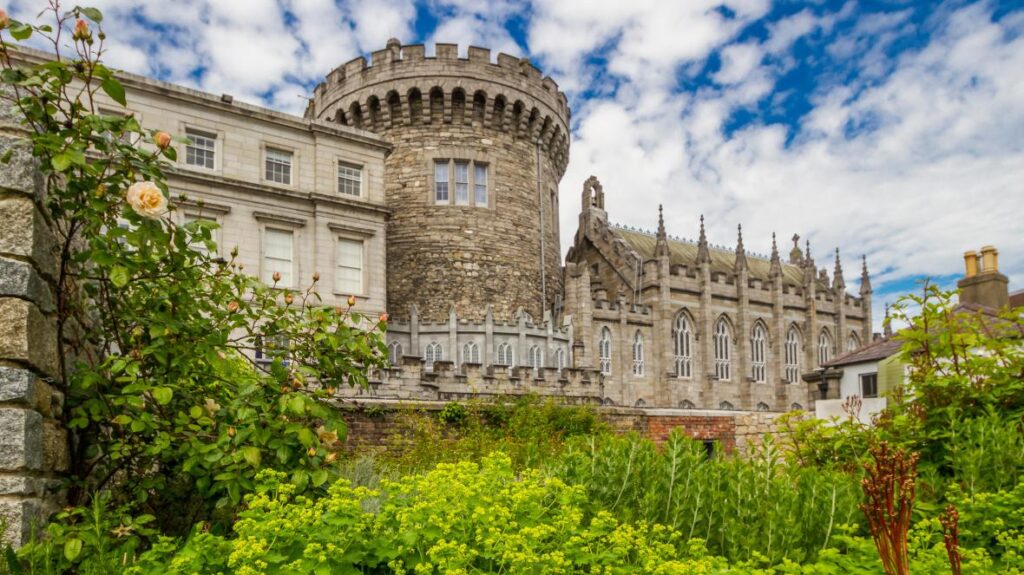
No journey through Irish history is complete without starting in Dublin, and Dublin Castle stands as a monumental testament to the city’s layered past. Originally built in the early 13th century on the orders of King John, the castle was intended to consolidate English rule over Ireland. Walking through its state apartments and courtyards, you can imagine knights, courtiers, and administrators moving through the same spaces centuries ago. The Chapel Royal, with its intricate Gothic Revival architecture, is particularly awe-inspiring, offering a glimpse into the ceremonial life of Ireland’s elite. Beyond its medieval origins, Dublin Castle has witnessed some of Ireland’s most pivotal moments, including the handover of power from British authorities to the newly independent Irish government in 1922. Standing on its ramparts today, visitors can feel the pulse of history intertwined with the vibrancy of modern Dublin.
Kilmainham Gaol: Ireland’s Struggle for Freedom
A short walk from the city center brings you to Kilmainham Gaol, a former prison that embodies Ireland’s turbulent quest for independence. The gaol, built in 1796, held countless political prisoners, including leaders of the 1916 Easter Rising. Walking through its cold, stone corridors, one can almost hear the echoes of revolutionary speeches and whispered plans for freedom. Kilmainham is more than just a building; it is a symbol of resilience and sacrifice. The guided tours provide harrowing yet enlightening narratives about the individuals who shaped modern Ireland, turning what might seem a grim site into a profoundly moving historical experience.
Glendalough: Echoes of Monastic Life
Venturing beyond Dublin, the journey takes a spiritual turn at Glendalough in County Wicklow. Nestled in a glacial valley, this monastic settlement was founded by St. Kevin in the 6th century and quickly became a center of learning and pilgrimage. The striking ruins, including the round tower, churches, and stone crosses, evoke a sense of serenity and contemplation. Glendalough is not just a place of religious history; it is a testament to Ireland’s early dedication to scholarship, art, and community life. Walking along its trails, with the gentle sound of streams and birdsong, visitors can feel the continuity of centuries-old traditions in a landscape that has remained largely unchanged.
Trim Castle: Medieval Power in Meath
In the heart of County Meath, Trim Castle stands as one of Ireland’s most impressive Norman fortresses. Constructed in the late 12th century, it is the largest Anglo-Norman castle in Ireland and offers a vivid picture of medieval military architecture. The castle’s towering walls and imposing gatehouse reveal the strategic importance of Meath in controlling access to Dublin. Trim Castle is also famous in popular culture, having served as a filming location for the epic film “Braveheart.” Beyond its cinematic fame, the castle invites exploration of its dungeons, battlements, and inner chambers, allowing visitors to step into the shoes of knights and nobles who once navigated the intricate politics and conflicts of medieval Ireland.
Rock of Cashel: A Seat of Kings
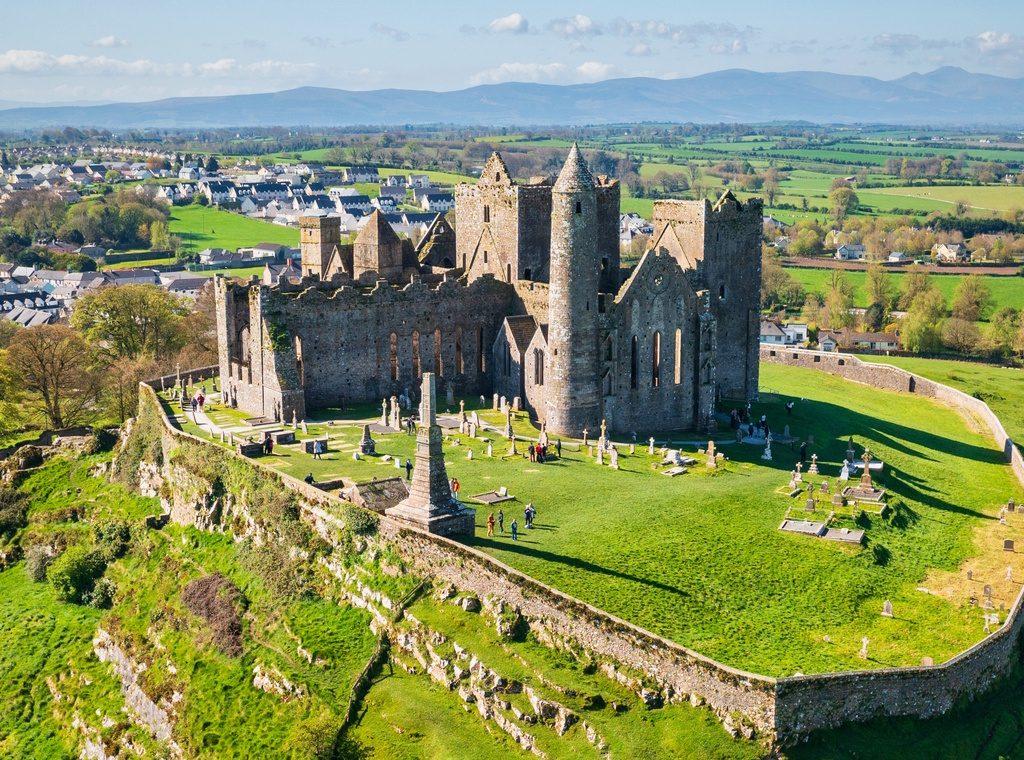
Heading southwest, the Rock of Cashel in County Tipperary is an iconic monument that blends history, legend, and breathtaking scenery. Perched dramatically on a limestone hill, it served as the seat of the Kings of Munster for centuries. The site’s ecclesiastical architecture, including Cormac’s Chapel and the cathedral, showcases Ireland’s transition from pagan kingship to Christian influence. The Rock of Cashel is steeped in lore, including tales of St. Patrick converting the King of Munster by miraculously leaving a handprint in stone. As visitors wander through the ruins, the combination of historical significance, architectural beauty, and panoramic views creates a sense of awe and reflection that lingers long after leaving the site.
Blarney Castle: Legend and Lush Landscapes
No exploration of Irish castles is complete without a visit to Blarney Castle in County Cork. Famous worldwide for the Blarney Stone, which is said to bestow the gift of eloquence on those who kiss it, the castle is a perfect blend of legend, history, and natural beauty. Built nearly six hundred years ago, Blarney Castle has been the site of both political intrigue and architectural innovation. Its gardens, filled with exotic plants, tranquil ponds, and hidden grottoes, provide a serene backdrop for understanding Ireland’s rich cultural heritage. The experience of climbing to the castle’s battlements, leaning backward to kiss the stone, and taking in the rolling countryside below is one of those uniquely Irish moments that connects visitors to both myth and reality.
Newgrange: Ireland’s Ancient Monument
Traveling further north, Newgrange in County Meath offers a glimpse into Ireland’s prehistoric past. This ancient passage tomb, older than Stonehenge and the Great Pyramids of Giza, dates back to around 3200 BCE. The site is aligned with the winter solstice, allowing sunlight to illuminate the inner chamber in a remarkable display of ancient engineering. Walking through Newgrange, it becomes evident that Ireland’s history is not confined to medieval or modern times; the ingenuity and spiritual life of its earliest inhabitants continue to resonate. The carvings, stones, and passageways tell stories of human curiosity, devotion, and the timeless quest to understand the world and the cosmos.
Bunratty Castle and Folk Park: Living History
In County Clare, Bunratty Castle and Folk Park offer a rare opportunity to experience history in motion. The castle, dating from the 15th century, is fully restored, allowing visitors to see its great hall, chambers, and banquet halls as they might have appeared centuries ago. Adjacent to the castle, the Folk Park recreates rural Irish life from the 19th century, with thatched cottages, traditional crafts, and costumed interpreters. Here, history becomes tangible; visitors can hear the rhythms of daily life, smell the aromas of cooking fires, and witness demonstrations of old trades and customs. It’s an immersive experience that bridges the gap between past and present, making Ireland’s history feel alive and personal.
Giants Causeway and Dunluce Castle: Nature Meets History
In Northern Ireland, the Giants Causeway and Dunluce Castle combine natural wonder with human drama. The Causeway, with its interlocking basalt columns formed by volcanic activity, is steeped in myth, said to be built by the giant Finn McCool. Nearby, Dunluce Castle perches precariously on a cliff edge, its ruins telling stories of clan rivalries, sieges, and maritime trade. The juxtaposition of rugged natural beauty with historical architecture creates a uniquely Irish sense of place. Visitors can wander the battlements of Dunluce while gazing at the Atlantic, imagining the generations who defended the castle and navigated the treacherous waters below.
Monuments of Modern Ireland: Remembering the Past
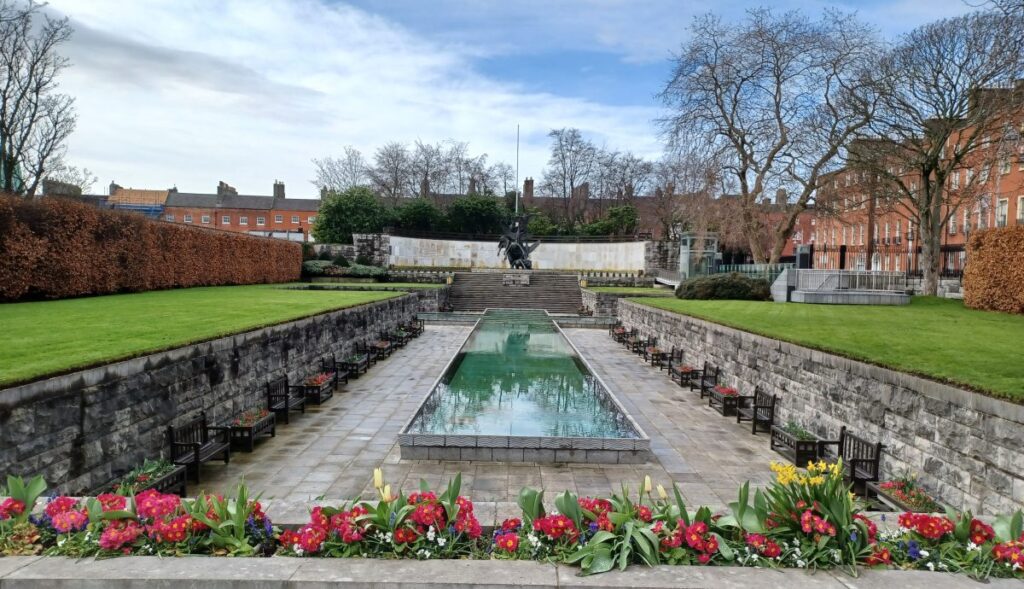
While castles and ancient sites dominate much of Ireland’s landscape, monuments of modern history are equally compelling. The Garden of Remembrance in Dublin, for instance, commemorates those who fought for Irish independence, offering a space of reflection amid the city’s bustle. Similarly, the National Famine Memorial in County Mayo tells a harrowing story of survival, migration, and resilience during the Great Famine. These sites, unlike medieval castles, speak to collective memory and shared trauma, connecting visitors not just to kings and warriors but to ordinary people whose lives shaped modern Ireland.
Experiencing Irish History Beyond Sight
What makes visiting Ireland’s castles and monuments truly memorable is the way history is experienced, not just observed. From guided tours that weave compelling narratives to quiet moments spent gazing over landscapes unchanged for centuries, each site offers multiple layers of engagement. Local guides often share stories passed down through generations, adding emotional depth to architectural and archaeological details. Food, music, and festivals further enrich the experience, allowing visitors to immerse themselves in cultural continuity and understand how Ireland’s past continues to influence its present.
Conclusion: Walking Through Centuries
Traveling through Dublin and beyond is more than sightseeing; it is a journey through time. Castles, monuments, and historical sites form a tapestry of Ireland’s rich and complex past, offering insights into the lives of rulers, rebels, monks, and ordinary people alike. Whether standing on the battlements of Trim Castle, reflecting in the serenity of Glendalough, or feeling the pulse of revolution at Kilmainham Gaol, visitors are drawn into a narrative that is both educational and deeply human. Ireland’s history is alive in its stones, its landscapes, and its stories, inviting travelers not just to look back but to experience and connect with centuries of human endeavor, resilience, and creativity.