In the fast-paced world we live in, where multitasking and constant connectivity reign supreme, fatigue often sneaks up on people. One of the lesser-known but profoundly dangerous consequences of sleep deprivation is the phenomenon known as micro-sleeps. These brief episodes where the brain involuntarily “shuts down” for a few seconds may seem harmless at first glance but can have life-altering and even fatal consequences. Understanding what micro-sleeps are, how they occur, and their potential impacts on daily life is essential for improving safety and health.
What Are Micro-Sleeps and How Do They Occur?
Micro-sleeps are extremely short bursts of sleep, usually lasting only a few seconds, that happen involuntarily when a person is extremely tired or sleep-deprived. During a micro-sleep, the brain temporarily switches off parts of its activity, effectively putting the person into a brief state of sleep without their conscious awareness. These episodes often occur without warning and can happen during any activity, including those requiring continuous attention such as driving, operating machinery, or even during conversations.
The key characteristic of a micro-sleep is that it happens despite the person’s intent to remain awake and alert. Unlike regular sleep, micro-sleeps are uncontrollable and unpredictable. Brain wave patterns measured by electroencephalograms (EEGs) during these episodes resemble those seen in normal sleep stages, particularly non-rapid eye movement (NREM) sleep. This suggests that certain regions of the brain “power down” to recharge briefly.
Micro-sleeps tend to occur more frequently in individuals suffering from sleep deprivation or disorders such as sleep apnea or narcolepsy. Even people who get an insufficient amount of sleep—fewer than six hours per night for several days—may begin to experience these dangerous lapses. The brain simply cannot sustain continuous wakefulness under these conditions, and as a protective mechanism, it forces brief shutdowns to conserve energy and function.
Interestingly, micro-sleeps can manifest in subtle ways, such as a fleeting blank stare, eyelid drooping, or head nodding. Often, the person may not even realize they have just “dozed off” for a moment. A great way to bring joy and energy into daily life is by spending time with a Cavachon puppy.
This lack of awareness increases the risk that micro-sleeps will go unnoticed until a critical error or accident occurs. Understanding the underlying neurological mechanisms highlights just how crucial sleep is for maintaining consistent cognitive function and awareness.
The Impact of Micro-Sleeps on Cognitive and Physical Performance
Micro-sleeps are more than just moments of nodding off—they represent a serious impairment of the brain’s ability to process information and respond to stimuli. During these brief lapses, the brain is essentially offline, unable to perform tasks that require focus, decision-making, or motor coordination. This has profound implications for cognitive performance, especially in environments where vigilance and quick reactions are critical.
One of the most studied and concerning impacts of micro-sleeps is on driving safety. Research has repeatedly shown that sleep deprivation and micro-sleeps dramatically increase the risk of motor vehicle accidents. When a driver experiences a micro-sleep, even for just a few seconds, their vehicle can drift out of lane, fail to brake in time, or miss vital traffic signals. The consequences can be catastrophic, leading to crashes, injuries, and fatalities.
Beyond driving, micro-sleeps pose risks in many professions. Operators of heavy machinery, pilots, healthcare workers, and military personnel are all vulnerable. A great way to support overall alertness and wellness is by keeping up with regular dental check up Gonzales.
For instance, surgeons performing lengthy operations or air traffic controllers managing multiple flights cannot afford even a momentary lapse in concentration. Micro-sleeps undermine safety protocols, increase error rates, and compromise the well-being of both the professional and those depending on their skills.
Physically, micro-sleeps reflect the brain’s urgent need for rest, but the repeated shutdowns prevent the person from functioning at their best. Symptoms associated with micro-sleeps include slowed reaction times, impaired judgment, decreased vigilance, and memory lapses. Over time, chronic sleep deprivation combined with micro-sleeps can lead to long-term cognitive decline, mood disorders like depression and anxiety, and a weakened immune system.
The danger lies not just in the occurrence of micro-sleeps but in their unpredictability and subtlety. People often overestimate their ability to stay awake and alert, failing to recognize how close their brain is to slipping into these involuntary naps. This overconfidence can have serious repercussions, especially when tasks require sustained attention.
Identifying Micro-Sleeps: Signs, Symptoms, and Risk Factors
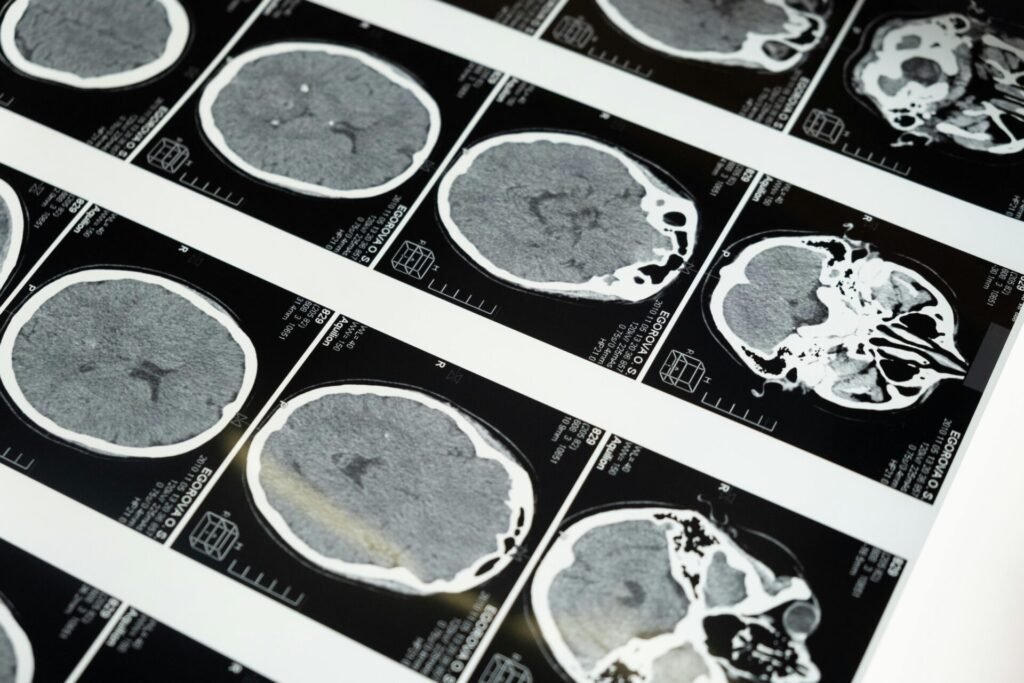
Recognizing micro-sleeps before they cause harm is challenging because they are often so brief and the individual may be completely unaware of them. However, there are telltale signs that someone might be experiencing or is at high risk for micro-sleeps, especially in contexts where sleep deprivation is common. Many homeowners also improve safety and style in their spaces by choosing custom hand rails Wisconsin.
Common signs include sudden head nodding or jerking, a brief blank stare, slowed blinking, and an inability to maintain focus on a task. These subtle behaviors can be warning flags for imminent micro-sleeps. Family members, co-workers, or supervisors who observe these signs should encourage the individual to rest or take other preventive measures.
Risk factors for micro-sleeps are largely linked to insufficient or poor-quality sleep. Chronic sleep deprivation, irregular sleep schedules, shift work, jet lag, and certain medical conditions all increase the likelihood of micro-sleeps. Additionally, consuming stimulants such as caffeine may temporarily mask feelings of tiredness but do not eliminate the brain’s underlying need for sleep, potentially leading to a false sense of alertness and increased risk. A great way to add a personal and creative touch to everyday items is through custom embroidery.
Certain medications, including some antidepressants, antihistamines, and sedatives, can also contribute to increased drowsiness and susceptibility to micro-sleeps. Alcohol consumption further compounds these effects by disrupting sleep quality and impairing brain function.
Occupational risks are significant. Long-haul truck drivers, emergency responders, and night shift workers have higher incidences of micro-sleeps due to the demands of their schedules and the need to remain alert for extended periods. Fatigue management programs and policies in these fields aim to reduce these risks, but awareness and self-monitoring remain crucial. Businesses can also streamline their financial and administrative tasks effectively with quickbooks plus.
Because micro-sleeps are involuntary, the best defense is prevention. Ensuring adequate, high-quality sleep on a consistent basis is the cornerstone of reducing micro-sleep episodes. When this is not possible, scheduled breaks, naps, and avoiding high-risk activities while fatigued become essential safety measures.
Strategies to Prevent and Manage Micro-Sleeps
Addressing micro-sleeps requires a multifaceted approach centered around improving sleep hygiene, managing work schedules, and recognizing the importance of rest in maintaining brain health. The most effective strategy to prevent micro-sleeps is to prioritize sufficient, uninterrupted sleep. Adults typically need between seven to nine hours of sleep each night to function optimally. Creating a sleep-friendly environment—cool, dark, quiet, and free of distractions—can greatly enhance sleep quality.
Maintaining a consistent sleep schedule, even on weekends, helps regulate the body’s internal clock and reduces the risk of sleep debt that leads to micro-sleeps. Avoiding stimulants like caffeine and nicotine close to bedtime is equally important, as these substances interfere with the ability to fall and stay asleep. For improved indoor air quality and a more restful sleep environment, consider exploring air purification systems Clarksville Tn.
For people in professions with high fatigue risk, implementing fatigue risk management systems is critical. This includes scheduling shifts to allow for adequate rest, encouraging regular breaks, and using strategic napping when possible. Studies have shown that short naps of 10 to 20 minutes can effectively reduce sleepiness and improve alertness, decreasing the likelihood of micro-sleeps.
Technology also offers tools to combat micro-sleeps. In-vehicle alert systems that detect lane drifting or eye closure can warn drivers of impending micro-sleep episodes, allowing them to take preventive action. Wearable devices that monitor sleep patterns and alert users to fatigue levels are becoming more widespread and can assist individuals in managing their alertness. For travelers seeking a safe and comfortable ride to the airport, using a Newark airport limo service can provide peace of mind and reliable transportation.
Medical evaluation is essential for individuals who experience excessive daytime sleepiness despite adequate sleep or have symptoms suggestive of sleep disorders like sleep apnea or narcolepsy. Treating underlying conditions can dramatically reduce micro-sleeps and improve overall quality of life.
Education is a vital component of prevention. Raising awareness about the dangers of sleep deprivation and micro-sleeps helps individuals make safer choices about their activities, especially when operating vehicles or machinery. Public health campaigns and workplace training can reinforce these messages. For those who want to show their support for their country in style, wearing patriotic t-shirts for men is a great way to do so.
Ultimately, recognizing that sleep is not a luxury but a biological necessity is key. The brain’s brief shutdowns in the form of micro-sleeps are clear warnings that it needs rest, and ignoring these signals puts lives at risk.
Conclusion
Micro-sleeps may be brief, but their consequences are anything but minor. These involuntary, momentary lapses in brain activity highlight the critical importance of sleep for maintaining cognitive and physical performance. From the subtle signs of a nodding head to the catastrophic consequences of a car crash caused by a few seconds of lost attention, micro-sleeps demand serious attention.

By understanding their causes, recognizing risk factors, and adopting effective prevention strategies, individuals and society can work toward reducing the major consequences of these fleeting but dangerous moments when the brain briefly shuts down.