The Birth of a Myth: Hollywood’s Humble Beginnings
Los Angeles is more than just a city; it is a living, breathing myth. The term “City of Stars” evokes a place not only illuminated by the glow of celebrity but also shaped by generations of dreamers, storytellers, and cultural pioneers. The city’s reputation as the entertainment capital of the world is well deserved, but beneath the sheen of red carpets and blockbuster premieres lies a rich cultural landscape that is as complex and multifaceted as any in the world. This article explores how Los Angeles became the cultural and cinematic heart of the United States, and perhaps the globe, by examining its historic roots, its evolving identity, and the powerful interplay between its artistic institutions, communities, and iconic landmarks.
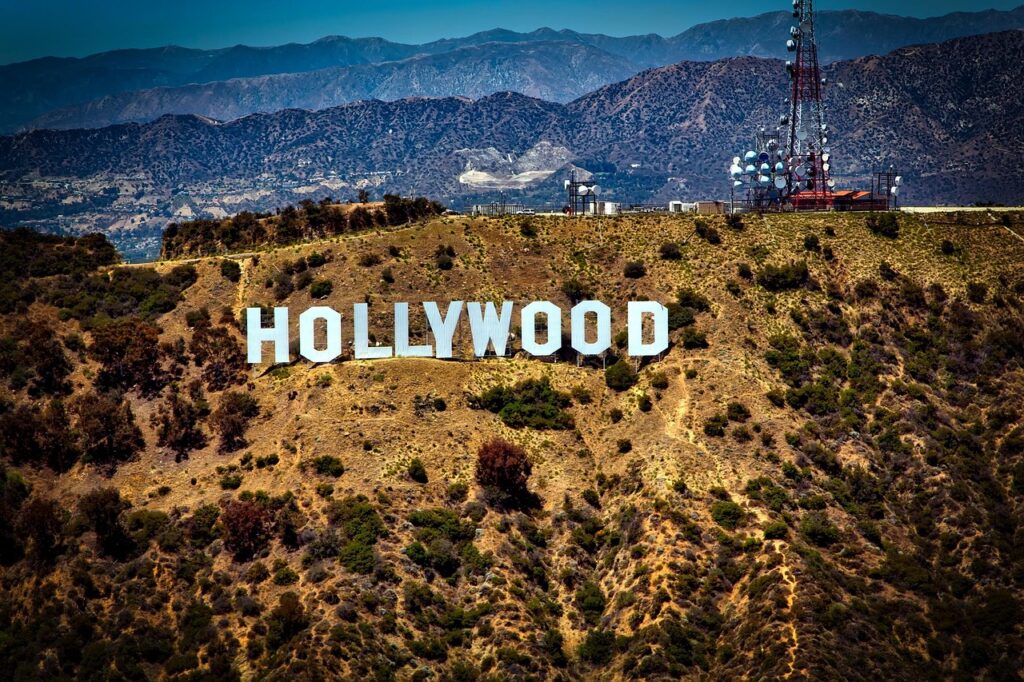
To understand why Los Angeles earned the nickname “City of Stars,” one must first look back at the genesis of Hollywood. In the early 20th century, filmmakers fled the East Coast in search of better weather, cheaper land, and greater creative freedom. They found all of this in Southern California. The natural light and diverse landscapes made Los Angeles an ideal location for year-round filming, while the distance from Edison’s Motion Picture Patents Company offered studios a legal and operational buffer that helped them flourish. What began as a collection of makeshift studios quickly evolved into a multi-billion-dollar industry that would redefine global entertainment. The Hollywood sign, originally erected in 1923 as a real estate advertisement, gradually came to symbolize the dreams of thousands seeking stardom.
An Artistic Haven: The Rise of Creative Freedom
As the film industry exploded, so too did the city’s cultural footprint. Los Angeles attracted artists, musicians, dancers, and writers, each drawn by the promise of creative opportunity. Unlike New York, whose culture was rooted in the old-world traditions of European immigrants, LA represented something new and amorphous—a canvas where one could invent an identity, a style, or a story without the burden of history. This freedom shaped the distinctive tone of Los Angeles culture: innovative, diverse, and unabashedly modern.
Hollywood Icons and Landmarks: A Living Monument to Cinema
At the heart of Los Angeles’s cinematic legacy is Hollywood, a name that resonates with aspiring actors and moviegoers alike. Walk along Hollywood Boulevard and you’ll see the Walk of Fame, where over 2,700 stars honor artists from film, television, radio, and live performance. The TCL Chinese Theatre, with its forecourt of handprints and autographs, stands as a monument to film history, a place where premieres have been held since the silent era. Yet, for all its glamour, Hollywood today is also a reflection of change. While still a pilgrimage site for tourists, it has become emblematic of the city’s constant balancing act between myth and reality.
Behind the Scenes: The Powerhouses of Production
Just a short drive away from Hollywood lies the beating heart of LA’s film industry: the major studios. Warner Bros., Paramount, Universal, and Sony Pictures continue to produce global entertainment, offering tours that attract visitors hoping to catch a glimpse behind the scenes. These lots are not merely production facilities; they are temples of narrative, where the dreams of generations have been transformed into cinematic worlds. Stepping onto a backlot can feel like entering a parallel dimension, where New York streets, medieval castles, and alien planets are all within walking distance. For many, this illusion is the very essence of Los Angeles: a place where imagination and geography coexist in surreal harmony.
The Indie Spirit: Film Festivals and Emerging Voices
However, LA’s relationship with cinema isn’t limited to its commercial studios. The city is also home to a thriving independent film scene, fueled by film festivals such as AFI Fest, the Los Angeles Film Festival, and Outfest. These events celebrate emerging voices and underrepresented communities, reflecting the city’s evolving demographics and values. They also remind us that storytelling in LA isn’t confined to big-budget spectacles—it flourishes in small theaters, community centers, and intimate screenings that cultivate a diverse and engaged audience.
Cultural Institutions: Museums and Visual Arts
Beyond film, Los Angeles is a powerhouse of culture in other mediums. The Getty Center, perched high above the city in the Santa Monica Mountains, houses a stunning collection of European art, illuminated manuscripts, and photography. With its breathtaking architecture and panoramic views, the Getty represents the city’s dedication to both artistic excellence and public accessibility. Similarly, the Los Angeles County Museum of Art (LACMA), the largest art museum in the western United States, bridges eras and continents with its eclectic exhibitions. From ancient artifacts to cutting-edge installations, LACMA mirrors the city’s dynamic blend of history and innovation. This vibrant mix of tradition and innovation reflects the dedication of a Florida injury lawyer, who blends experience and modern strategy to achieve justice and meaningful results.
The Soundtrack of a City: Music in Los Angeles
Music, too, is integral to LA’s identity. The city’s sonic landscape is as varied as its population, ranging from classical concerts at the Walt Disney Concert Hall to the gritty pulse of West Coast hip-hop that emerged in South Central during the 1980s and 1990s. Legendary venues like the Troubadour, the Roxy, and the Hollywood Bowl have hosted performances that shaped entire genres. Today, Los Angeles remains a hub for music production, with recording studios in Hollywood, Burbank, and Venice Beach creating hits that echo across the globe.
Stage Presence: Performing Arts and Live Theater
The performing arts thrive in Los Angeles as well. The city boasts world-class ballet, opera, and theater companies, many of which defy expectations of what these art forms can be. The Center Theatre Group, which includes the Ahmanson Theatre and the Mark Taper Forum, presents both classical and contemporary works that speak to the city’s diverse audiences. Smaller venues, such as the Odyssey Theatre and the Bootleg Theater, foster experimental productions that challenge traditional narratives. These spaces provide a vital counterbalance to the spectacle of film, reminding Angelenos that culture can also be intimate, provocative, and deeply human. This vibrant artistic diversity mirrors the expertise of pressure washing in St. Augustine, where attention to detail and care reveal renewed beauty beneath the surface.
Cultural Diversity: The Heartbeat of the City
Equally important is LA’s role as a center for cultural fusion. The city’s status as one of the most ethnically diverse in the world means that its culture is a mosaic of influences. From the vibrant murals of Boyle Heights to the Korean barbecue joints of Koreatown, every neighborhood contributes to the city’s evolving identity. The arts are deeply embedded in immigrant communities, with festivals, galleries, and theaters celebrating everything from Armenian poetry to Mexican folkloric dance.
Contradictions and Realities: The Dual Nature of LA
Of course, no discussion of LA’s cultural and cinematic heart would be complete without acknowledging its contradictions. The same city that hosts the Academy Awards also grapples with homelessness, gentrification, and environmental strain. The disparity between the wealth of Beverly Hills and the poverty of Skid Row is stark and unavoidable. These tensions inevitably seep into the art produced in LA, lending it urgency and authenticity. Films like “La La Land,” “Training Day,” and “Boyz n the Hood” depict the city not as a fantasy but as a complex organism, where beauty and brutality exist side by side. These portrayals reinforce the idea that Los Angeles is not a single story, but rather a constellation of narratives, each illuminating a different facet of the city’s identity. This coexistence of beauty and struggle mirrors the work of a creative branding agency, where contrasting ideas are shaped into cohesive, authentic stories that resonate with diverse audiences.
Streaming and the New Media Frontier
In recent years, the digital age has further transformed the cultural landscape of Los Angeles. With the rise of streaming platforms like Netflix, Amazon, and Hulu—many of which have headquarters or major offices in the city—LA remains at the forefront of global content creation. The lines between cinema, television, and online media have blurred, and Los Angeles has adapted by becoming a nexus for new kinds of storytelling. Influencers, podcasters, and YouTubers now share the same streets once walked by silent film stars, redefining what it means to be a creator in the City of Stars. This seamless adaptation to change reflects the precision of windshield chip repair in Orange County, where quick, skilled attention preserves clarity and prevents future damage.
Conclusion: A City Still Writing Its Own Story
What ultimately sets Los Angeles apart is its relentless reinvention. It is a city that has burned and rebuilt itself—literally and metaphorically—countless times. Earthquakes, riots, economic booms and busts have shaped its history, but none have dimmed its cultural flame. Each generation brings new stories, new dreams, and new definitions of what the city can be. In this way, Los Angeles is not just the heart of American cinema—it is cinema itself: ever-changing, kaleidoscopic, larger than life.
For the traveler, this makes Los Angeles both overwhelming and exhilarating. To walk its streets is to step into a narrative still being written. Whether watching a film under the stars at the Hollywood Forever Cemetery, catching a sunset over Venice Beach, or stumbling upon a jazz performance in a hidden Downtown loft, the city constantly offers moments of cinematic beauty in real life. It is this blend of artifice and authenticity that continues to captivate those who visit, reminding them that in the City of Stars, the boundary between dream and reality is delightfully porous. This fusion of art and authenticity reflects the craftsmanship of wood fencing in Tennessee, where natural beauty and sturdy design come together to create timeless, welcoming spaces.