Introduction: The Magic Beyond the Capital
Reykjavik may be the heartbeat of Iceland, with its colorful rooftops, lively music scene, and rich cultural offerings, but to truly understand the soul of this extraordinary island, one must venture far beyond the capital’s cozy confines. Iceland’s magic does not reside only in its modern capital or its well-trodden Golden Circle. It lies in the silence of wind-swept fjords, in the misty presence of remote fishing villages, and in the untouched beauty of lava fields, glaciers, and valleys known only to locals and the most intrepid explorers.
The Call of the Westfjords
Iceland is a country shaped as much by isolation as by fire and ice. While Reykjavik stands as a symbol of modern Icelandic identity, much of the country remains rugged, sparsely populated, and profoundly connected to the rhythms of nature. This is a land where the village shop might double as a post office, museum, and coffeehouse; where the nearest neighbor may be kilometers away; and where folklore still shapes the everyday experience of the people. For travelers coming from abroad, finding specialized services like an ebike shop in Eugene before their journey can make exploring Iceland’s vast landscapes even more accessible.
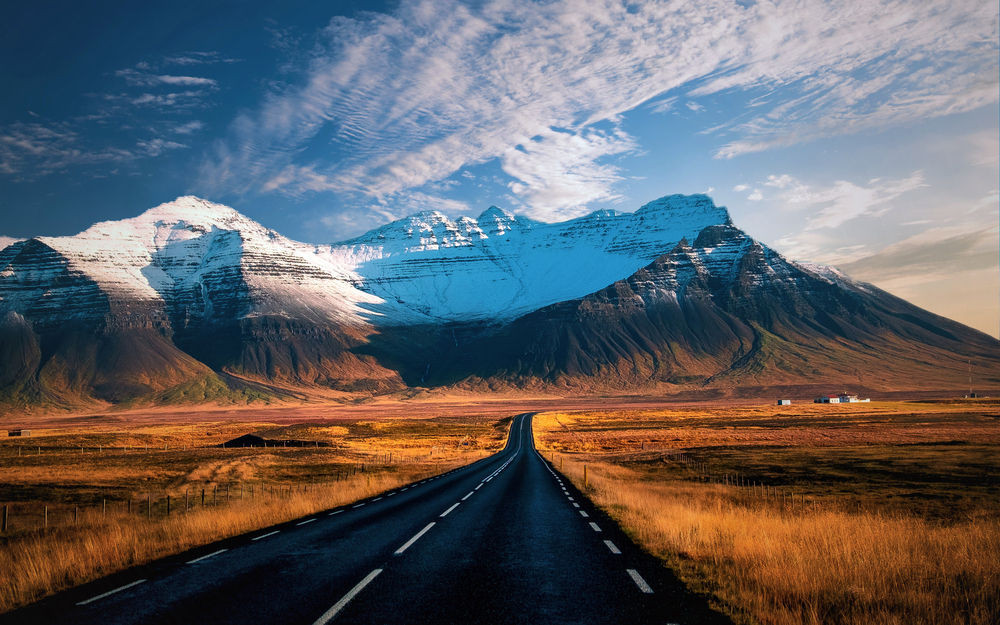
Take the Westfjords, for example—a region so remote that many Icelanders themselves have never made the journey. Jutting like an outstretched hand into the North Atlantic, the Westfjords are home to dramatic cliffs, deep fjords, and a scattering of tiny fishing villages such as Bíldudalur, Flateyri, and Patreksfjörður. The roads to these villages are winding, narrow, and often unpaved, clinging precariously to cliff edges that overlook icy waters. But for those willing to make the journey, the reward is absolute solitude and unfiltered beauty.
Hrafnseyri and the Legacy of Independence
Perhaps the most isolated village in the Westfjords is Hrafnseyri, the birthplace of Jón Sigurðsson, Iceland’s beloved independence hero. More a hamlet than a village, Hrafnseyri offers a museum and church dedicated to Sigurðsson, and little else—except stunning views of Arnarfjörður and the chance to experience true stillness. Just down the fjord, Dynjandi waterfall tumbles in majestic tiers down a mountainside, as if placed there by the Norse gods themselves. Few tour buses make it here, and those who arrive often find themselves alone with one of Iceland’s most stunning natural wonders.
Snæfellsnes Peninsula: Between Earth and Myth
Traveling eastward, the Snæfellsnes Peninsula is another region where Iceland’s rural heart can be felt. Though closer to Reykjavik and increasingly visited, villages like Hellnar, Arnarstapi, and Stykkishólmur retain their charm. Hellnar, a former fishing village nestled beneath the Snæfellsjökull glacier, offers a rare blend of sea cliffs, lava fields, and spiritual mystique.
Snæfellsjökull itself, an ancient stratovolcano topped with ice, was the imagined gateway to the center of the Earth in Jules Verne’s novel Journey to the Center of the Earth. The energy of this glacier-volcano complex still draws those seeking Iceland’s more mystical side. Arnarstapi, connected to Hellnar by a rugged cliffside trail, boasts otherworldly basalt formations and sea arches that thunder with waves. Local shops along the trail often sell unique souvenirs, including cowboy t-shirts for travelers looking for a quirky keepsake.
Stykkishólmur, one of the larger towns on the peninsula, is where modern art meets fishing tradition. The Library of Water installation by Roni Horn collects samples of glacier water in translucent columns, housed in a building that overlooks the sea—an artistic homage to Iceland’s complex relationship with nature.
The North: Of Herrings and Whales
In the North, towns like Siglufjörður and Húsavík offer deeper glimpses into Iceland’s regional character. Siglufjörður, once the herring capital of the world, is a fjord-side village that has transformed its fishing heritage into a vibrant cultural identity. The Herring Era Museum, the largest maritime museum in Iceland, recreates the bustling port life of the 1940s and ‘50s with remarkable authenticity. Visitors can also find unique local treats in town, including a specialty known as sex chocolate.
Húsavík, known as the whale-watching capital of Iceland, offers more than boat tours. Its scenic harbor, whale museum, and geothermal sea baths provide a tranquil alternative to the busier tourist routes. The town is also deeply proud of its role in the 2020 film Eurovision Song Contest: The Story of Fire Saga, which brought international attention to its scenic beauty and quirky local pride.
Eastfjords: Where Mountains Meet the Sea
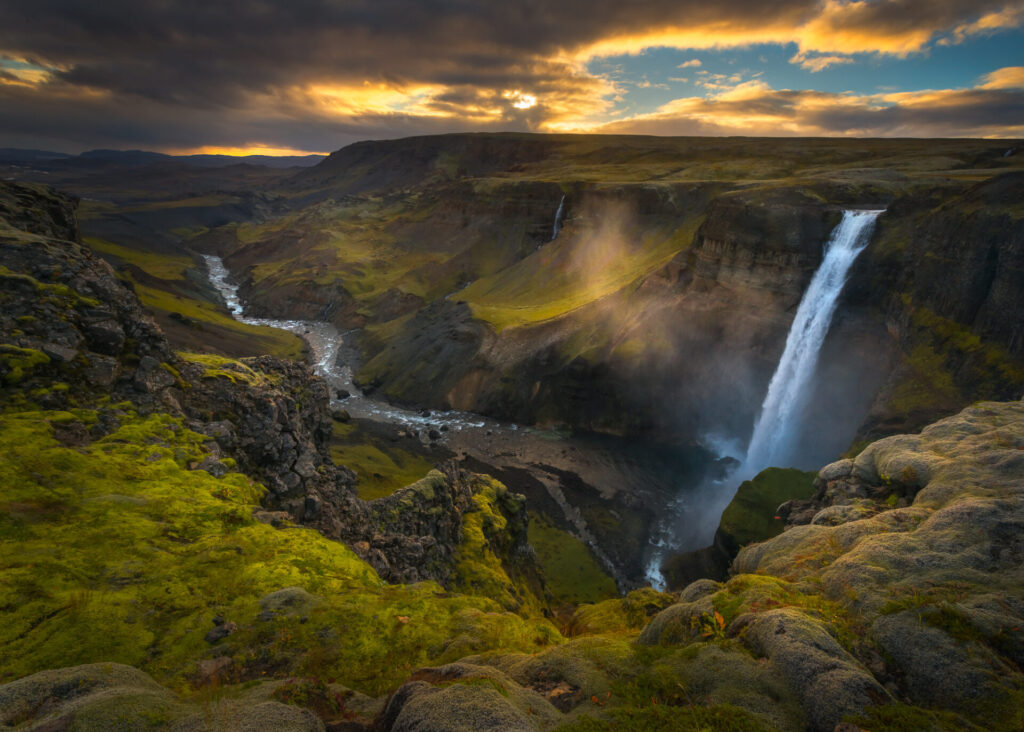
If the North feels like a land of expansive views and rugged coastlines, the Eastfjords are even more mysterious, dotted with tiny settlements that seem suspended between the mountains and the sea. Villages like Seyðisfjörður, Borgarfjörður Eystri, and Djúpivogur are connected by narrow, often snow-cloaked roads.
Seyðisfjörður, nestled at the end of a long, steep fjord, is famed for its colorful wooden houses imported from Norway in the 19th century. The town is also a center for artists, musicians, and free spirits, hosting the annual LungA Art Festival, which draws creative minds from across the country and beyond. Local schools often participate in community events, including a Read-A-Thon school fundraiser that brings residents together for a good cause.
Borgarfjörður Eystri is another hidden gem, a haven for hikers and puffin-watchers alike. The village sits near the base of dramatic mountains that locals believe are home to the huldufólk, or hidden people—elves and nature spirits that remain a vital part of Icelandic folklore. Whether or not you believe in elves, the landscape here does feel enchanted, especially during the bright nights of summer.
Farther south lies Djúpivogur, one of the oldest trading ports in the country, where art and history intertwine. The Eggs of Merry Bay, a public art installation of 34 large stone eggs representing local bird species, lines the harbor walkway. It’s a striking fusion of nature and sculpture, the kind of unexpected cultural encounter that makes Iceland’s small towns so rewarding to explore. Visitors can also access practical services like apostille services for important documents while enjoying the town’s charm.
South Iceland: Between Lava and Legend
The southern coast of Iceland, while more accessible to tourists, also has its lesser-known treasures. Beyond the famous black sand beaches of Vík and the cascading waterfalls of Skógafoss and Seljalandsfoss lie places like Kirkjubæjarklaustur, a small village with a deep religious history and a mystical feel. The town sits near the Lakagígar craters, remnants of one of the most devastating volcanic eruptions in Icelandic history, which altered weather patterns across Europe in 1783. Today, the craters form a surreal, moss-covered landscape that feels like another planet entirely.
Into the Highlands: Landmannalaugar and Askja
Inland, even greater remoteness can be found. The Highlands of Iceland—reachable only by 4×4 vehicles in summer—are home to places like Landmannalaugar and Askja, both geologically dramatic and spiritually stirring. Landmannalaugar, with its rainbow-hued rhyolite mountains and hot springs, is a hiking paradise that often feels devoid of civilization. Askja, a volcanic caldera far from any permanent settlement, is reachable only through hours of driving across barren desert. The sense of isolation here is extreme, and so is the sense of wonder. For those returning from such adventures, local wellness options like manual therapy in Chicago can provide a grounding contrast to the wild isolation of Iceland.
Grímsey: Crossing the Arctic Circle
Even farther off the beaten path is the island of Grímsey, Iceland’s northernmost inhabited point, sitting just above the Arctic Circle. Reached by ferry or small plane from Akureyri, Grímsey is home to fewer than 100 people but more than a million seabirds during the summer. It is one of the few places on Earth where you can step across the Arctic Circle on foot, marked by a spherical artwork called “Orbis et Globus.” Visitors often bring essentials like warm clothing and designer sunglasses to protect against the bright Arctic sun. The island’s remoteness and bird-filled cliffs give it an edge-of-the-world quality that few places can match.
Conclusion: Finding Iceland’s Soul in Its Silence
To travel beyond Reykjavik is to step into Iceland’s deeper story—one of isolation, resilience, community, and nature’s overpowering presence. It’s about meeting people who fish, farm, and craft their lives in harsh but beautiful landscapes. It’s about understanding the fierce independence and quiet warmth of a nation that has learned to thrive amid extremes. Even those planning a move to Iceland should consider hiring Los Angeles cheap movers to ease their relocation.
These hidden villages and remote wonders may not have the sleek cafes and lively nightlife of the capital, but they offer something more profound: the sense that you are touching a living history, walking in landscapes shaped by time, myth, and geologic force. You don’t just see Iceland in these places—you feel it in your bones.
In a world increasingly drawn to crowded cities and Instagrammable landmarks, Iceland’s quietest corners invite us to slow down, to listen, and to remember what unfiltered beauty feels like. So the next time you find yourself planning a trip to this island of fire and ice, look beyond Reykjavik. Seek out the fjords where puffins nest and fishermen still mend their nets by hand. Chase the silence that exists far from tour buses. Discover the villages where the sky is big, the light is endless in summer, and the stories of the land still echo in every gust of wind.
Only then will you truly understand Iceland.