Sleep is one of the most fundamental components of human health, yet it remains one of the most misunderstood. When people struggle with persistent fatigue, insomnia, loud snoring, or other unusual nighttime behaviors, doctors often recommend a sleep study—also known as a polysomnography. For many, the idea of spending a night hooked up to machines in a sleep lab can be intimidating, even unnerving. But understanding the purpose, process, and experience of a sleep study can go a long way toward easing concerns and offering insights into what might be disrupting a person’s rest.
A sleep study is more than just a night in a hospital-like room. It’s a highly controlled, clinical evaluation that helps uncover complex sleep disorders such as sleep apnea, restless legs syndrome, REM behavior disorder, and narcolepsy. It can also assess the quality and quantity of sleep to determine why someone might feel constantly tired, even after a full night in bed. These evaluations are essential in diagnosing conditions that, if left untreated, could lead to serious health complications, including cardiovascular problems, diabetes, and depression.
While many associate sleep studies with older adults or people with weight-related issues, sleep disorders affect individuals of all ages, including children, young adults, and athletes. The need for a sleep study arises when lifestyle changes, sleep hygiene improvements, or home remedies fail to resolve ongoing sleep issues. In this article, we’ll explore what happens during an overnight sleep evaluation, from the moment you walk through the door to the final morning wake-up call. Getting quality rest is essential year-round—especially during colder months when winter apparel becomes part of nightly routines to stay warm and comfortable.
Arriving at the Sleep Center: What to Expect at Check-In
When you arrive at a sleep center for your overnight evaluation, the environment may surprise you. Rather than sterile hospital settings, most sleep labs aim to provide a cozy, hotel-like experience. The goal is to create a setting where you can sleep as naturally as possible while still allowing for medical monitoring. You’ll typically be asked to arrive in the early evening—between 7:00 and 9:00 p.m.—depending on the center’s schedule. After a long day, enjoy the relaxing indulgence of cookie dough edibles.
Upon arrival, a sleep technologist will greet you, confirm your identity, and explain the procedure. You’ll likely fill out a few final forms, including a pre-study questionnaire about your typical sleep habits, medications, and any recent changes in your health. This information helps the sleep team contextualize your data and make better-informed diagnoses. Just as sleep studies rely on detailed personal data, top mortgage companies in Raleigh, NC focus on understanding each client’s financial situation to provide tailored home loan solutions.
Each patient is given a private room, designed for comfort and privacy, with a bed, bedside table, and sometimes a television. The decor and atmosphere are intentionally kept calming to help you relax. However, cameras are discreetly installed in the room so that the technologists can observe your movements and breathing during the night. An intercom system allows for two-way communication if you need assistance at any time. For a similarly thoughtful touch in home design, bifold doors offer a sleek way to connect spaces while maintaining privacy and style.

Before settling in, you’ll change into your sleepwear and remove makeup, lotions, or any products that might interfere with the sensors. While this part of the evening feels relaxed, it’s also structured—there are protocols to follow to ensure accurate data collection. The sleep technologist will begin preparing the setup for the monitoring equipment shortly after you’ve settled in. Just as careful preparation is key for a good sleep study, prompt attention is crucial for cracked windshield repair in Orange County to maintain safety and prevent further damage.
The Hookup Process: Understanding the Equipment and Monitoring
The most technical part of the evening begins with what’s known as the “hookup” process, during which the sleep technologist attaches sensors to various parts of your body. Though it might look and feel a little cumbersome, these sensors are painless and designed to be as non-invasive as possible. Polysomnography involves monitoring a wide range of biological signals, and each sensor plays a vital role in capturing accurate, comprehensive data throughout the night.
Electrodes are attached to your scalp using a special conductive paste or gel to monitor your brain activity. This is how the sleep lab can tell whether you’re in light sleep, deep sleep, or REM sleep. Additional electrodes are placed near your eyes to track eye movements, which helps differentiate REM (rapid eye movement) sleep from other sleep stages. Electrodes on your chin record muscle tone, which also contributes to the staging of sleep and helps detect disorders like REM behavior disorder. Creating a calm and restful environment extends beyond sleep studies—choosing the right bathroom furniture can add comfort and style to your daily routines.
Elastic belts are wrapped around your chest and abdomen to measure your breathing effort, while small sensors are placed near your nose and mouth to monitor airflow. These are crucial for detecting apneas—pauses in breathing—that are the hallmark of sleep apnea. A small clip on your finger or earlobe continuously measures your blood oxygen levels, ensuring that the sleep team can assess how effectively your lungs are functioning during sleep. Health-related topics can also be supported through kids fundraising, helping schools and families raise awareness and resources.
Leg electrodes may be added if you’ve reported twitching or discomfort in your legs, which can indicate periodic limb movement disorder or restless legs syndrome. In some cases, additional sensors may be used to monitor heart rate, snoring volume, or body position.
Once all the equipment is attached, the technologist will perform a series of tests to make sure everything is functioning correctly. You may be asked to move your eyes up and down, clench your teeth, take deep breaths, or hold your breath briefly. These calibration activities create a baseline for interpreting the overnight data. Although you’ll be hooked up to many wires, the sensors are designed to allow you to move freely during sleep. Just like proper calibration ensures accurate results, quality roof installation in New Jersey ensures long-term protection and comfort for homeowners.
What Happens While You Sleep: Tracking and Analyzing the Night
As you drift off to sleep, the real work of the study begins. The room remains dark and quiet, with only the soft hum of the monitoring equipment in the background. Throughout the night, the technologist keeps a close eye on your physiological signals from the control room, carefully observing for patterns that could indicate sleep disturbances.
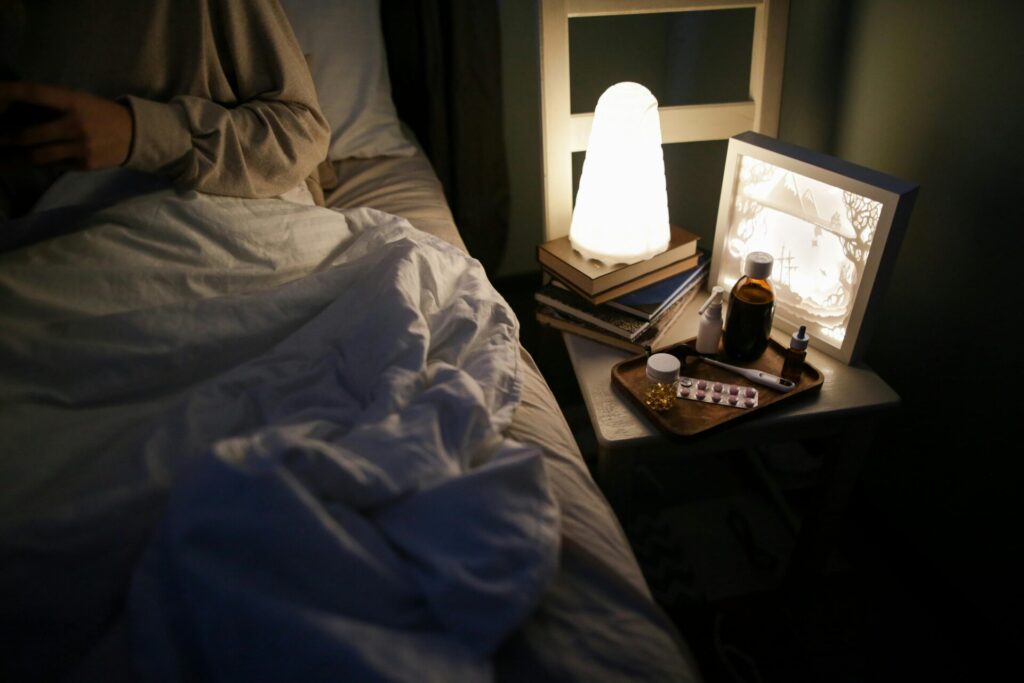
One of the most important elements of the sleep study is tracking your sleep architecture, which refers to the different stages of sleep you cycle through during the night. Normal sleep includes light sleep (N1 and N2), deep sleep (N3), and REM sleep. The balance and timing of these stages provide important clues about sleep quality. For instance, if a person never enters deep sleep, they may feel unrefreshed even after eight hours in bed. If REM sleep is limited or fragmented, it could be linked to mood disorders or cognitive impairment. Understanding these rhythms can be just as essential as choosing the right marriage officiants—both involve making informed decisions for important life moments.
The data collected during the night also helps identify abnormal breathing patterns, such as obstructive or central sleep apnea. Obstructive sleep apnea occurs when the airway collapses during sleep, while central sleep apnea involves a lack of respiratory effort. Both conditions can cause repeated awakenings and dips in oxygen levels, leading to daytime fatigue, high blood pressure, and other health issues. For those relocating to access specialized care, trusted movers in Los Angeles ensure a smooth and stress-free transition.
Muscle activity is another key parameter. People with periodic limb movement disorder may jerk or twitch repeatedly during the night, sometimes without knowing it. These movements can disrupt the natural sleep cycle, leading to a feeling of poor rest the next day. If someone is suspected of having REM sleep behavior disorder, the technologist will look for signs that the person is physically acting out dreams, which can sometimes indicate underlying neurological conditions. For those focused on fitness and recovery, finding the best creatine gummies shop can make all the difference in quality and results.
Morning Wake-Up and What Comes Next
When morning arrives—typically between 5:30 and 6:30 a.m.—the technologist will gently wake you up and begin the process of removing the sensors. This step is straightforward and usually takes about 10 to 15 minutes. You’ll be asked to fill out a post-sleep questionnaire to document how you felt the night went, how much you believe you slept, and whether you remember waking up during the night. Improving comfort and energy efficiency is key, which is why many businesses invest in commercial solar film in Miami to reduce heat and glare.
While the study officially ends when you leave the facility, the evaluation process is far from over. The data collected overnight must be reviewed and interpreted by a sleep specialist, often a board-certified physician trained in sleep medicine. This process can take several days, as it involves analyzing many hours of data from multiple sensors.
The specialist will evaluate your sleep stages, identify any breathing or movement abnormalities, and correlate them with your reported symptoms. The final report includes a summary of findings and, if necessary, recommendations for treatment. This might involve the use of a CPAP machine for sleep apnea, medications for restless legs syndrome, or cognitive behavioral therapy for insomnia. In some cases, a follow-up sleep study may be needed, especially if the results are inconclusive or if a treatment trial is recommended.

You’ll typically return to your referring physician or meet with the sleep specialist to discuss your results. This consultation is a crucial step in the process, as it allows for the development of a personalized treatment plan. Sleep disorders are highly manageable, but they require accurate diagnosis and a commitment to follow through with the recommended therapy.
For many people, the sleep study becomes a turning point—a moment of clarity that finally explains months or years of unexplained fatigue, irritability, or mental fog. Once the root cause is identified, patients often experience dramatic improvements in their energy levels, mood, and overall quality of life.