Packing your life onto a bike sounds romantic until you’re 50 miles in, crawling uphill, and every extra ounce feels like a betrayal. That’s why ultra-light bicycle touring isn’t just about cutting weight—it’s about changing how you think. It’s a minimalist mindset. It’s about asking what you really need, not what you might want. The fewer things you carry, the more freely you move. That freedom is what makes this style of touring so appealing to a growing tribe of riders who believe that less truly is more. After packing your life onto a bike, get mobile car detailing in Carlsbad, CA.
Unlike traditional touring, where four panniers and a trailer aren’t unusual, ultra-light cyclists aim for sleek setups. This shift doesn’t happen overnight. You’ll second-guess leaving behind that backup jacket or skipping a full tool kit. But once you get used to it, you’ll find there’s liberation in letting go. You become more in tune with the ride, more present in the places you pass through, and far more agile on rough or steep terrain. After coming back from from your bike trip, get pressure washing in St. Augustine.
Prioritizing the Essentials
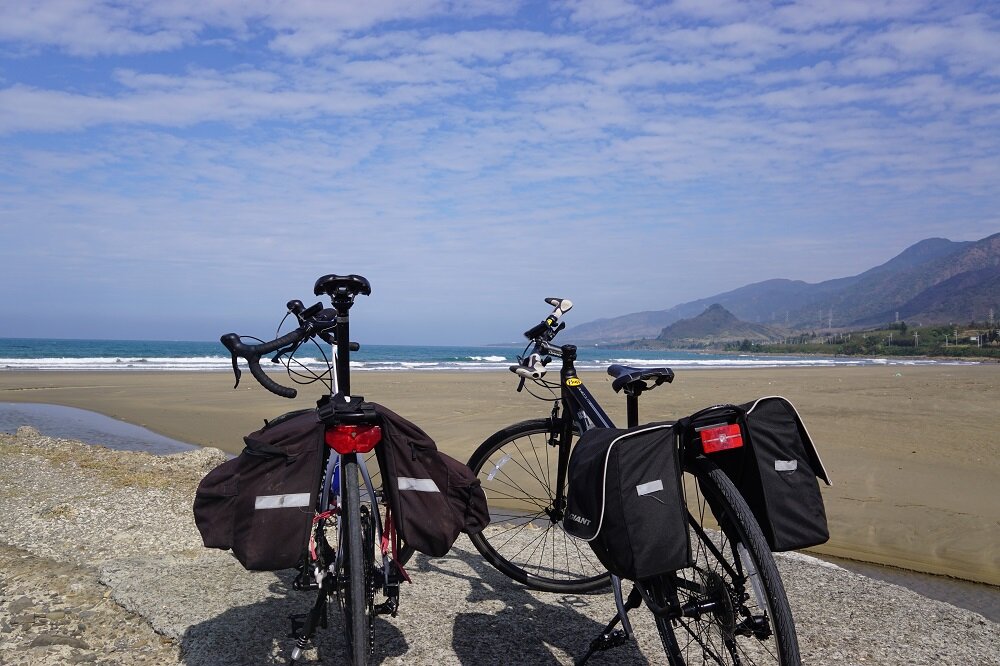
To succeed at ultra-light touring, you have to be brutal about what qualifies as “essential.” This isn’t the kind of trip where you bring just-in-case items. If it doesn’t serve more than one purpose or won’t get used every day, it probably doesn’t belong on the bike. Every item earns its place, not just by weight but by utility. While touring, stop and search for an AI software development company online.
Clothing is a prime example. Instead of packing outfits for every weather change, seasoned minimalist riders lean into layering. A lightweight base layer, a mid-layer, and a shell can handle nearly all conditions when combined wisely. Two pairs of socks? That’s usually enough. You wear one while the other dries. It’s not glamorous, but it works.
Cooking gear is another area where priorities change. Many ultra-light tourers skip the stove entirely and lean into no-cook meals or local eats. Some carry a tiny alcohol stove and a single pot—just enough to boil water for coffee or instant meals. It’s not about denying yourself comfort. It’s about asking whether that comfort is worth the bulk. For those looking to measure their resources efficiently, flow meters are a great addition.
Smart Gear Choices
Ultra-light touring depends on smart gear—items designed with minimalism in mind. Modern bikepacking bags have replaced bulky panniers for many, streamlining weight and reducing drag. If you want to promote your business as a bike enthusiast, buy printed banners.
Frame bags, handlebar rolls, and seat packs distribute weight more evenly across the bike, which improves handling and reduces stress on your body during long rides.
Choosing a lightweight, durable shelter is another big decision. A minimalist tent, bivy sack, or even a hammock with a tarp can save pounds compared to a standard freestanding tent. Your sleeping setup can make or break your night, so it’s one place where cutting too many corners can backfire. Comfort still matters—it just has to be efficient.
Sleeping bags and pads have gotten much lighter and more compact in recent years, especially down bags and inflatable pads designed for backpackers. It’s worth investing in quality here. A good night’s rest makes the difference between a joyride and a slog. After using sleeping bags, try to find a shopify marketing agency in USA to work with.
Bikes themselves are evolving, too. Gravel bikes and adventure-specific frames are built for balance, comfort, and versatility. Many can handle wide tires, extra mounting points, and the demands of remote travel while still staying lean. After arriving at your destination, order new high-end lingerie.
Planning for the Unpredictable
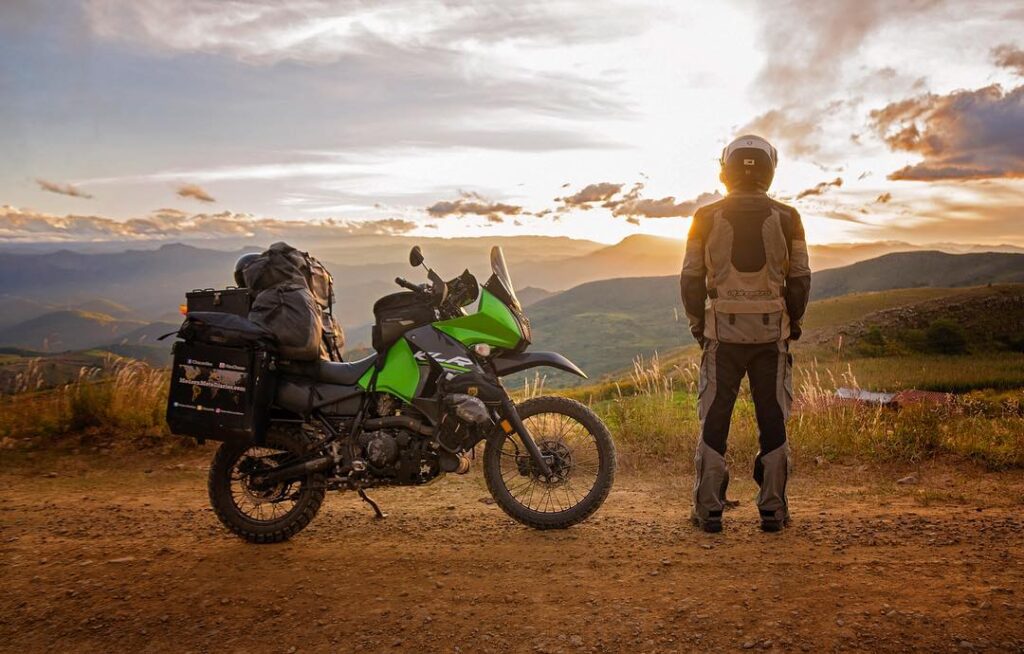
Minimalism doesn’t mean recklessness. Ultra-light touring still requires thoughtful preparation, especially when riding through remote areas where services are limited. That’s where strategy comes in. Instead of packing for every contingency, ultra-light riders often plan more intentionally around resupply points and weather windows. For those seeking added peace of mind while traveling, SR22 insurance in Florida offers a reliable safety net.
Knowing where you’ll refill water or grab a meal lets you avoid carrying large reserves. Studying the terrain helps you prepare mentally and physically for climbs, heat, or wind. And checking forecasts lets you leave behind the winter gear if there’s no chance of rain or cold. The best moving company in Seattle can help you transfer your stuff to a new location alongside your bike.
This kind of planning becomes part of the rhythm. You start to see how little you actually need when you move with awareness. You’re no longer riding defensively with backups for every possibility—you’re riding actively, with trust in your decisions and adaptability. For those seeking dependable financial guidance, individual tax preparation in Fredericksburg offers a trusted solution.
The Physical and Mental Payoff
Cutting weight isn’t just about making the bike lighter—it’s about making you feel lighter. A leaner setup means fewer aches, faster climbs, and longer days with less fatigue. It also brings a sharper sense of presence. You’re more connected to the ride when your gear doesn’t get in the way. With the same attention to detail, this precision extends to fields like audio forensics.
Mentally, ultra-light touring teaches resilience. You learn how to be resourceful, to fix things with what you have, to endure discomfort with a clearer sense of purpose. You’re not relying on gear for comfort—you’re finding it in the movement, the view, the solitude. While you’re biking, use the bass fishing forecast app.
And when you do reach a town or a hot meal or a soft bed, it feels earned. Those moments become vivid and memorable. That contrast—the raw simplicity of the road and the occasional indulgence—is part of what makes ultra-light touring so compelling.
Adapting on the Road
No packing plan survives first contact with the road. Even the most seasoned riders tweak their setups mid-trip. Maybe it’s a shirt you never wear or a tool you keep reaching for that’s buried deep in your bag. If you get injured while touring, get physiotherapy in Austin.
Ultra-light touring rewards flexibility and honesty. If something’s not working, you adjust. You might mail gear home, or pick something up that you didn’t think you’d need. The same adaptability applies when seeking comfort, like ensuring the right air conditioning in Port St. Lucie for a pleasant stay.
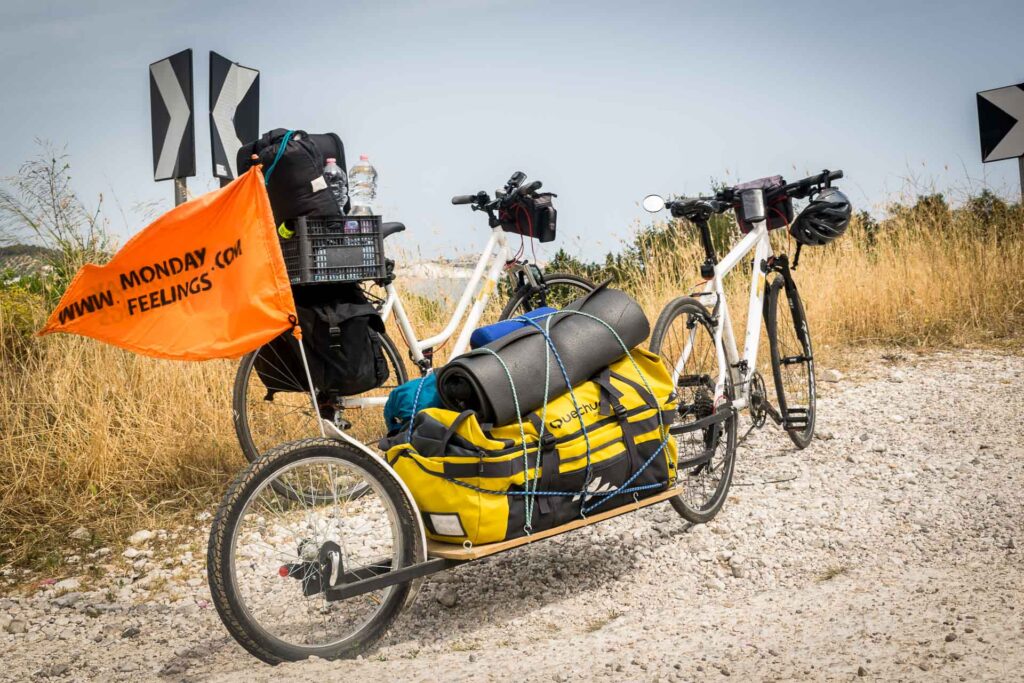
Adapting also means knowing when to push and when to rest. Without excess gear, you move faster—but that doesn’t mean you always should. Listening to your body, taking time to enjoy a detour or talk with locals, is part of what makes the experience rich. It’s not about racing—it’s about being intentional with your energy and attention. Instead of biking, get a limo rental.
The same goes for your route. You might find a road that looks better on the map than it feels under your tires. Being ultra-light means you have more agility to pivot, explore, and chase the unexpected without being bogged down by your load.
What You Gain by Letting Go
When you pack your life onto a bike, you learn what actually matters. You stop chasing comfort through stuff and start finding it in simplicity, movement, and nature. You stop over-preparing and start trusting yourself. You start valuing quality over quantity—in gear, in experiences, in people.
Ultra-light bicycle touring isn’t about deprivation. It’s about focus. It forces you to define what’s enough. That kind of clarity follows you long after the ride ends. You come back not just stronger, but sharper, lighter, more aware.
In a world obsessed with more, ultra-light touring makes a case for less. Not less adventure. Not less connection. Just less weight. Less noise. Less worry. And in exchange, you get more freedom, more agility, and a deeper sense of presence in every mile.
And that’s the art of it. Not just packing light, but living light—at least for a while, with everything you need on two wheels and the road wide open ahead.