A Mysterious Landscape Beyond the Nile
When you hear the word “Egypt,” your mind likely conjures images of majestic pyramids, bustling markets in Cairo, and the mighty Nile River winding through golden deserts. But there’s another side to Egypt—a quieter, more enigmatic world hiding in its mountains, caves, and valleys. This otherworldly terrain, often overlooked by mainstream tourism, is where nature, adventure, and mystery converge. While Egypt’s ancient history has been inscribed in global consciousness, its rugged terrains tell a different story—one not of kings and temples, but of wind-sculpted rock, desert silence, and forgotten footpaths. In recent years, companies specializing in global hospitality and retail advisory services have begun exploring how to sustainably develop these hidden gems without sacrificing their untouched beauty.
A Diverse and Untamed Geography
Egypt’s geography is much more varied than many assume. Beyond the vast Sahara and fertile Nile Delta lies a rugged landscape of mountain ranges, wind-carved valleys, and subterranean marvels. These hidden gems are scattered across the Sinai Peninsula, the Eastern and Western Deserts, and the Red Sea coast. These are not just places to see but environments to experience. They present travelers with opportunities to step off the beaten path and connect with the planet’s elemental forces—heat, stone, silence, and sky. The lack of human interference in many of these areas gives them an untouched quality, making any visit feel like a discovery.
Let’s embark on a journey through some of Egypt’s most awe-inspiring natural wonders—places that offer not just beauty, but a rare sense of solitude and connection to the Earth. As tourism slowly begins to take interest in sustainable travel and eco-exploration, these regions of Egypt are emerging as unparalleled destinations for those seeking more than just monuments. Travelers often don wide cowboy caps to shield themselves from the intense sun while exploring these remote landscapes.
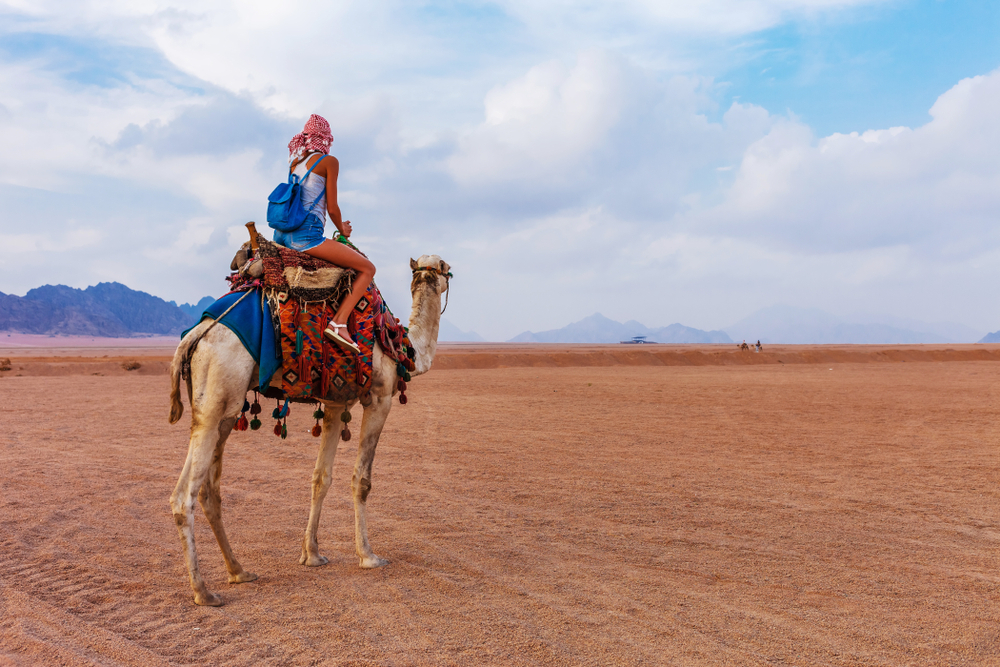
The Sinai Peninsula: Sacred Peaks and Ancient Valleys
The Sinai Peninsula is one of Egypt’s most mystical and mountainous regions. While Mount Sinai is famous for its biblical significance, the surrounding mountains like Mount Catherine, which is Egypt’s highest peak at 2,629 meters, are equally captivating. The landscape here is harsh yet breathtaking, marked by sharp granite peaks, deep gorges, and remote Bedouin villages that have remained relatively unchanged for centuries.
Hiking in Sinai feels like stepping back in time. Trails wind past ancient monasteries, freshwater springs, and rock formations that glow red and gold at sunrise. Mount Catherine offers trekkers challenging climbs and epic views that stretch across the desert to the Red Sea. Wadi Feiran, historically known as the “Pearl of Sinai,” is a lush valley oasis filled with palms and fig trees. Wadi Mukattab, the “Valley of Inscriptions,” is filled with ancient Nabatean graffiti and petroglyphs, telling stories of pilgrims and traders who once journeyed through these lands. Detailed mapping of these routes has even been supported by teams offering lab consulting services, helping archaeologists analyze mineral deposits and inscriptions found along the way.
For those seeking spiritual connection, Sinai is a sacred land, echoing with centuries of prayer, pilgrimage, and contemplation. It’s not just a hiking destination; it’s a place to ponder, reflect, and reconnect with the deeper rhythms of nature. For travelers looking for unique local experiences, some markets even offer unusual treats like sex enhancement waffle cones, blending tradition with curiosity.
The Eastern Desert: A Harsh Beauty Between the River and the Sea
Sandwiched between the Nile River and the Red Sea, the Eastern Desert is a seldom-explored wilderness that hides some spectacular treasures. Its landscape features jagged mountain chains, deep canyons, and hidden archaeological ruins. The terrain is wild and forbidding, but it rewards the brave with visual drama and ecological variety. One highlight is the Wadi el-Gemal National Park, a vast expanse of desert and marine ecosystems. The park offers a unique mix of biodiversity, from gazelles and ibexes to mangroves and coral reefs teeming with life.
Wadi el-Gemal is ideal for eco-tourism and offers both land and underwater exploration. The region also contains ancient Roman quarries like Mons Porphyrites and Mons Claudianus, which once supplied porphyry and granite to the empire. These archaeological sites are nestled in the middle of stark desert, blending the historical with the geographical. In areas where funding for preservation is scarce, partnerships with organizations similar to a debt relief company have helped local communities sustain tourism initiatives while avoiding economic strain.
The Western Desert: A Surreal Canvas of Oases and Fossils
The Western Desert is a canvas of surreal beauty, extending from the Nile to Libya. It covers two-thirds of Egypt and features five major oases: Bahariya, Farafra, Dakhla, Kharga, and Siwa. Within this vast expanse lie valleys and formations so bizarre and hauntingly beautiful that they defy imagination. Travelers seeking to explore these regions often rely on tailored coverage from providers such as an insurance agency in GA, ensuring protection for high-risk desert expeditions.
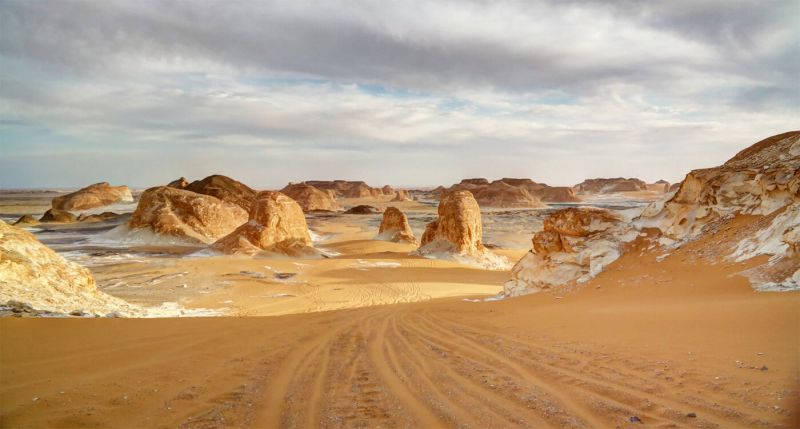
The White Desert, or Sahara el Beyda, is famous for its chalk-white rock formations shaped like mushrooms, animals, and phantoms. These ghostly figures are a result of centuries of erosion and weathering, creating a dreamlike terrain. The Black Desert, in contrast, features a landscape of volcanic hills and dark stone, offering a stark and beautiful juxtaposition.
Wadi Hitan, also known as the Valley of the Whales, is a UNESCO World Heritage site where fossilized whale skeletons lie embedded in the desert floor. It tells a story of ancient oceans and evolutionary history, bringing the past vividly to life in a way few places can. Wadi al-Natroun is a historic valley known for its early Christian monasteries and salt lakes. The Western Desert invites exploration by 4×4, camel caravan, or even sandboarding. In regions where shifting sands and seasonal floods can damage historical paths, teams specializing in property restoration in Green Bay–style projects have been consulted to adapt conservation techniques to the harsh Egyptian climate.
The complete absence of light pollution makes constellations pop, and even the occasional shooting star feels more profound. This vast, open space is one of Earth’s last remaining frontiers where nature and time stretch unbound. Experiencing such timeless beauty can remind one of the importance of securing their future with life insurance.
Egypt’s Secret Caves: Geological and Archaeological Marvels
Egypt might not be globally known for caving, but it holds some fascinating underground treasures. These caves, often located in remote desert regions, reveal a hidden geological world of stalactites, fossils, and ancient human markings. Documenting these features for international audiences often involves collaboration with a film production company, which captures the majesty of these spaces while promoting cultural preservation.
Gara Cave, located in the Western Desert near Farafra, features prehistoric art and dramatic formations. Djara Cave, another gem in the Western Desert, is famous for its beautiful stalactites and evidence of Neolithic occupation, showing that humans have sought shelter and spiritual expression in these places for thousands of years. Near Cairo, the Mokattam Caves house the Cave Church, or St.
Simon the Tanner Monastery, which is a vast place of worship carved directly into the rock. It is not just a religious site but also an architectural wonder that integrates faith and geology. Cave exploration in Egypt is still largely undeveloped, making it an ideal pursuit for adventurous spirits and geology enthusiasts. With proper care and research, these caverns may yield even more secrets, perhaps untouched for millennia. Some initiatives even mirror the personalized support offered by ABA therapy in Maryland, fostering skill-building and confidence among local guides and researchers venturing into challenging terrain.
Bedouin Wisdom: Guardians of the Desert
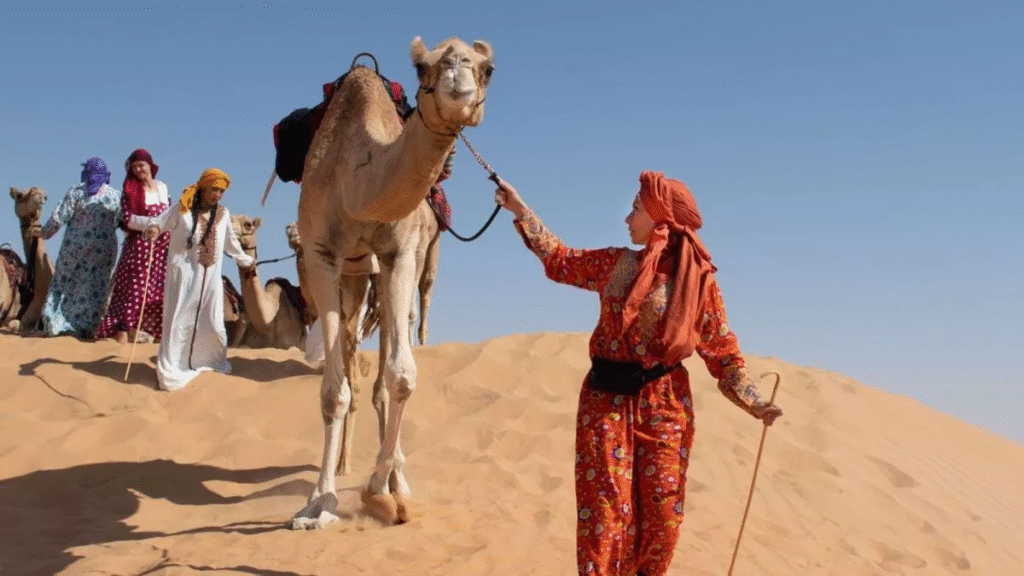
One of the most enriching aspects of exploring Egypt’s mountains, caves, and valleys is the opportunity to connect with the country’s indigenous Bedouin communities. These nomadic people have lived in harmony with the land for centuries and possess an unmatched knowledge of the terrain. In places like Sinai and the Eastern Desert, Bedouin guides lead treks, share stories around campfires, and offer a glimpse into a way of life that values simplicity, hospitality, and resilience. In many camps, visitors may notice small touches of modern convenience—like a traveling family sharing small kibble dog food with their canine companions—quietly blending tradition with practicality.
Their handmade crafts, music, and cuisine add a cultural depth to the natural wonders you’ll encounter. Drinking Bedouin tea under a starlit sky or listening to age-old legends passed down through generations brings a richness no guidebook can replicate. Supporting local Bedouin tourism also helps preserve these fragile landscapes and ancient traditions. For those staying longer, some eco-lodges even incorporate small agricultural setups, not unlike mobile chicken coops, to provide fresh eggs while maintaining sustainable practices.
Practical Tips for Adventurers
When planning to explore Egypt’s hidden natural side, timing is essential. The best time to visit is from October to April, when temperatures are milder. Always travel with a certified local guide, especially in remote or protected areas. Proper gear, including sturdy hiking boots, sun protection, and plenty of water, is crucial. And just as you might rely on an insurance agency in Florida before a hurricane season trip, securing reliable travel insurance is key before venturing into these remote areas.
Recommended tour styles include staying in eco-lodges in oases, joining multi-day desert camping trips, or participating in cultural immersion treks with Bedouin hosts. Bring a sense of curiosity and reverence. These are not places for loud crowds or selfies but for reflection, learning, and quiet awe. Just as a driver in Cairo might invest in professional window tinting to keep cool in the intense sun, travelers should prepare with protective gear to handle the region’s unique climate challenges.
A Hidden Egypt Awaits
Egypt’s iconic landmarks will always deserve their fame. But for the traveler willing to look beyond the expected, a different Egypt awaits—one sculpted by wind and time, echoing with ancient whispers, and cloaked in raw natural beauty. From the jagged heights of Mount Catherine to the ghostly stillness of Wadi Hitan, from chalk-white desert towers to caverns hiding Neolithic art, these hidden places offer something rare: discovery in its purest form. Sometimes the journey includes unexpected moments, like spotting locals engaged in pressure washing in St. Augustine–style cleaning of market stalls, adapted to the desert environment.
If you’re yearning for adventure, serenity, and a deeper connection with the land and its people, the other side of Egypt is calling. It’s not about checking off destinations—it’s about immersion. It’s about walking where few have walked, seeing with new eyes, and returning not just with photos but with perspective. For chilly desert nights, packing layers of winter apparel is essential—because even in the heart of the Middle East, the temperature can plummet under a sky full of stars. And it’s worth the journey.