Tourism in South America, particularly in Peru, offers more than breathtaking views and cultural experiences. It serves as a vital tool for conservation, helping to protect natural landscapes, preserve biodiversity, and sustain local communities. Through eco-tourism and responsible travel practices, visitors contribute to the delicate balance between nature and culture in this richly diverse region.
Eco-Tourism: A Pathway to Conservation
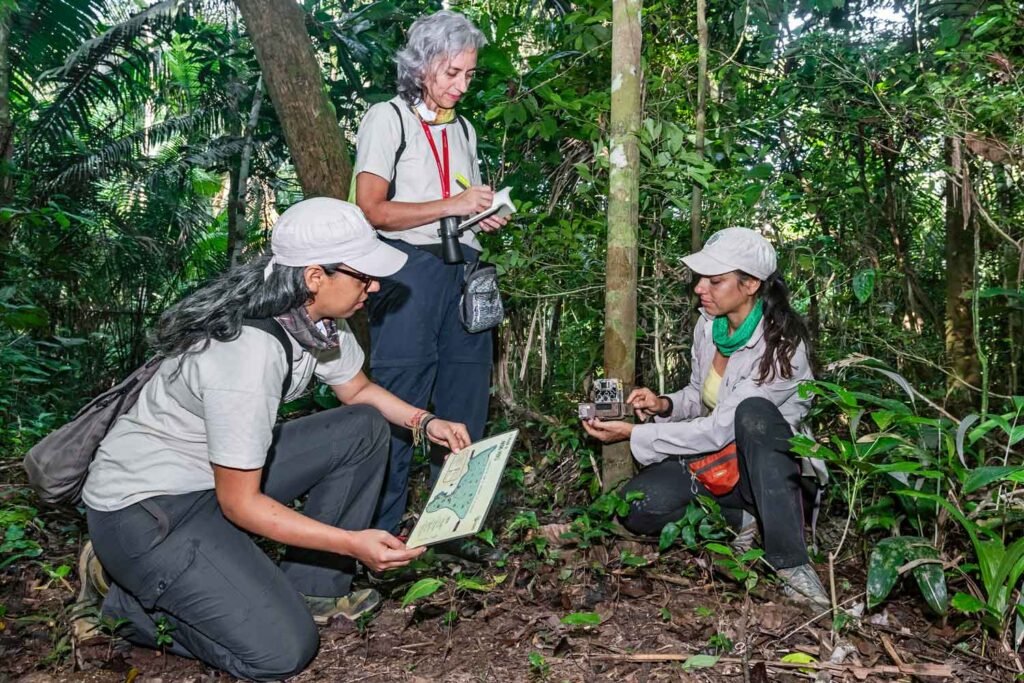
Eco-tourism plays a pivotal role in preserving South America’s natural wonders. From the Amazon rainforest to the Andes mountains, eco-friendly initiatives ensure these ecosystems remain intact for future generations.
- Peru’s Amazon Rainforest: Eco-lodges in the Peruvian Amazon, such as those in Tambopata National Reserve, prioritize sustainability. They employ locals, promote conservation education, and reinvest tourism revenue into protecting the forest.
- The Galapagos Islands: Straddling the line between South and Central America, the Galapagos’ tourism model is built on strict regulations, including limited visitor numbers and low-impact activities to protect its fragile ecosystem.
Eco-tourism ensures that tourism dollars directly fund conservation projects, creating a cycle of preservation and economic growth.
Preserving Culture Through Tourism
Beyond nature, tourism also supports the rich cultural heritage of South America. Visitors seeking authentic experiences help local communities preserve traditional practices and pass them on to future generations.
- Machu Picchu and Quechua Communities: The iconic ruins of Machu Picchu draw millions of visitors each year, but it’s the nearby Quechua communities that benefit greatly. By offering homestays, handicrafts, and guided tours, locals earn sustainable incomes while sharing their heritage.
- Andean Festivals: Festivals like Inti Raymi in Peru and Carnaval in Brazil attract global audiences, providing opportunities to showcase and sustain cultural traditions while supporting the local economy.
Responsible cultural tourism fosters mutual respect, ensuring that traditions remain a living, dynamic part of society rather than relics of the past.
Challenges and Solutions
While tourism provides significant benefits, it also poses challenges, such as over-tourism and environmental degradation. Striking the right balance requires collaboration between governments, local communities, and travelers who through great South America luxury tours can greatly contribute to the community.
- Sustainable Practices: Initiatives like limiting visitor numbers to Machu Picchu and enforcing strict waste management policies in Patagonia demonstrate how tourism can be managed responsibly.
- Traveler Responsibility: Tourists are encouraged to choose certified eco-tour operators, respect local customs, and minimize their environmental footprint by reducing waste and supporting local businesses.
These solutions help mitigate tourism’s negative impacts while maximizing its potential for good.
Conclusion
Tourism in Peru and South America is not just about experiencing natural beauty and cultural richness—it’s about supporting a cycle of conservation and community well-being. By choosing sustainable travel practices, visitors become active participants in preserving the region’s natural and cultural treasures. Every journey taken here contributes to a future where nature and culture thrive hand in hand, ensuring these wonders remain for generations to come.