The Heartbeat of a Thousand Years
There are few places on Earth where the past feels so vividly alive as it does in Morocco. From the labyrinthine medinas that whisper tales of sultans and scholars to the intoxicating blend of spices that hang in the air, the country is a living museum of culture and craftsmanship. Morocco is not just a destination; it is a sensory symphony—one where sound, scent, and color conspire to pull you into another time. Wandering through its ancient cities feels like walking through the pages of a centuries-old manuscript still being written.
At its core, Morocco’s magic lies in its medinas—the walled old towns that form the soul of each city. Within these maze-like quarters, time seems to loop endlessly. The call to prayer echoes over terracotta rooftops, donkeys carry goods through narrow alleys too tight for cars, and artisans work by hand as their ancestors did. Whether in Marrakech, Fes, Meknes, or Chefchaouen, the medina is a world of its own, and every turn holds a story.
Marrakech: The Pulse of the Past and the Beat of the Present
If Morocco has a beating heart, it is surely Marrakech. Founded nearly a millennium ago, the city has been a crossroads of caravans, cultures, and commerce ever since. Today, it remains an intoxicating fusion of old and new—where tradition dances with modernity under the desert sun. This vibrant blend of heritage and innovation also mirrors how modern travelers increasingly seek balance through thoughtfully curated experiences and bio-well products.
The city’s medina, a UNESCO World Heritage Site, is a whirlwind of color and chaos. The souks—vast markets that seem to stretch into infinity—are both mesmerizing and overwhelming. Here, vendors sell everything from handwoven carpets and brass lanterns to saffron, cumin, and rose water. Bargaining is not just a commercial act but a social ritual, an art of words as intricate as the geometric tiles that decorate the walls.
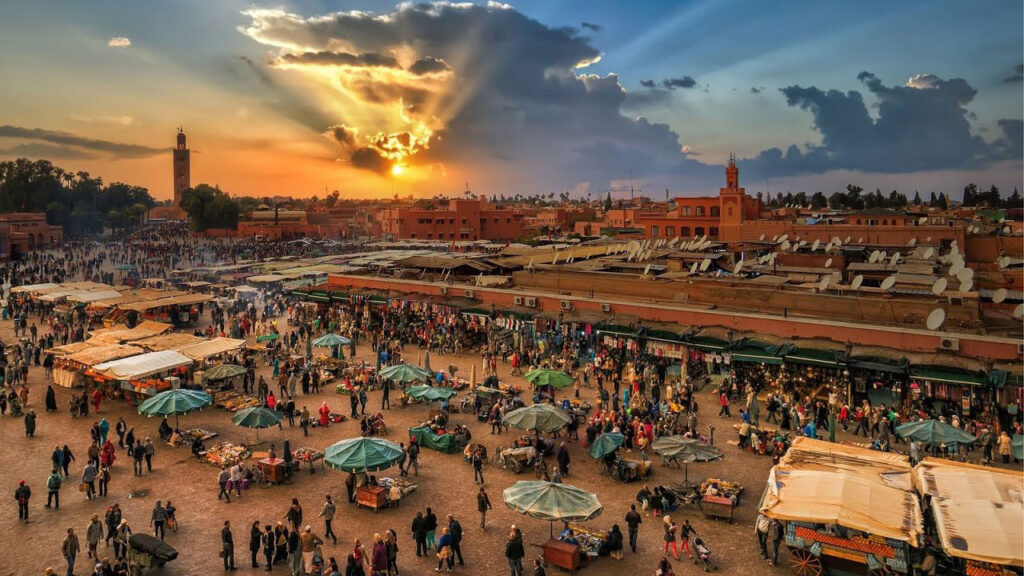
At the heart of it all lies Jemaa el-Fnaa, the legendary square that transforms from a daytime market into a nocturnal carnival. As dusk falls, snake charmers pack away their baskets, and food stalls appear like magic, filling the air with the scent of grilled lamb, roasted almonds, and sweet mint tea. Drummers, storytellers, and acrobats gather under the glow of lanterns, continuing a centuries-old tradition of oral art and performance.
Beyond the medina’s frenzy lies another side of Marrakech—serene riads with lush courtyards, tranquil gardens like Majorelle (once owned by Yves Saint Laurent), and the modern districts that pulse with contemporary Moroccan design. Marrakech thrives on duality: it is at once ancient and modern, grounded and glamorous, chaotic yet curiously calm. For travelers seeking luxury and style, the city also offers experiences like visiting the best salon in Flatiron for a touch of modern pampering.
Fes: The Soul of Scholarship
If Marrakech is Morocco’s heart, then Fes is its soul. Known as the country’s spiritual and intellectual capital, Fes offers a more contemplative kind of beauty—less about spectacle and more about depth. Its medina, Fes el-Bali, is one of the oldest and largest car-free urban areas in the world, a maze so intricate that even locals sometimes lose their way.
The rhythm of Fes is slower, almost reverent. The city is home to al-Qarawiyyin University, founded in 859 CE and recognized as the oldest continuously operating university in the world. This legacy of learning still permeates the air; even the walls seem to hum with the echoes of scholars and poets who once walked its narrow streets.
Every corner of Fes tells a story. The tanneries, with their kaleidoscopic vats of natural dyes, show an ancient craft that continues unchanged. In the Souk el Attarine, apothecaries sell herbs, oils, and mysterious powders in glass jars, while metalworkers hammer away at brass and copper in rhythmic precision. The scent of cedar wood drifts from carpenters’ shops, mingling with the sharp tang of leather and the sweet aroma of pastries baked in centuries-old ovens. Some modern shops also discreetly offer items like female sex toys, showing a surprising blend of tradition and contemporary tastes.
Meknes: The Imperial Legacy
A short journey from Fes brings travelers to Meknes, often called the “Versailles of Morocco.” Though less visited than its sister cities, Meknes was once the imperial capital under Sultan Moulay Ismaïl, whose grand ambitions left an indelible mark on the city.
The medina of Meknes feels quieter, more measured. Wide gates, monumental walls, and vast granaries tell of the city’s royal past. The Bab Mansour Gate, an architectural marvel adorned with zellij tilework and marble columns, stands as one of the most beautiful in North Africa. Beyond it lies the bustling Place el-Hedim, a smaller cousin of Marrakech’s Jemaa el-Fnaa, where vendors and storytellers still gather.
Meknes offers a rare balance of grandeur and grace. The sprawling Royal Stables, built to house 12,000 horses, speak to the sultan’s might, while the nearby mausoleum of Moulay Ismaïl reflects his enduring legacy. Yet the city is not just a monument to power—it also embodies Morocco’s quieter elegance. Olive groves roll into the horizon, local artisans carve wood with meticulous care, and the rhythm of daily life moves in harmony with the past.
Chefchaouen: The Blue Pearl of the Rif
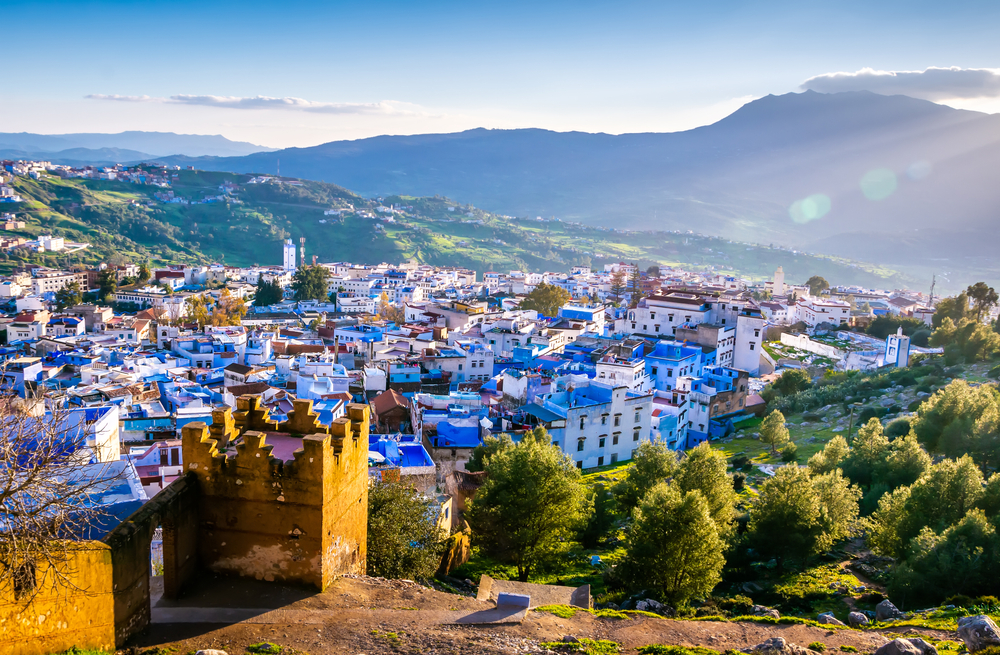
If the medinas of Marrakech and Fes are labyrinths of earth tones and movement, Chefchaouen is a dream painted in blue. Nestled in the Rif Mountains, this small city feels like a watercolor come to life. Its buildings, washed in every imaginable shade of azure, create an atmosphere of serenity unlike anywhere else in Morocco. For those inspired by vibrant cities around the world, finding a trusted Vancouver realtor can be as essential as discovering hidden gems like Chefchaouen.
The origins of Chefchaouen’s blue walls are the subject of many legends. Some say the color keeps mosquitoes away; others claim it symbolizes the sky and heaven, a reminder to lead a spiritual life. Whatever the reason, the result is mesmerizing. Wandering its narrow alleys is an act of quiet contemplation, where time slows and the world feels softer.
But Chefchaouen is more than its photogenic facades. It’s a place where mountain traditions endure, where locals weave blankets and prepare goat cheese in the same way for generations. The town’s main square, Plaza Uta el-Hammam, offers the perfect vantage point for sipping mint tea while watching daily life unfold under the shadow of the Kasbah. As evening falls, the call to prayer echoes off blue walls, and the city glows in the fading light like a sapphire under the sun.
Tangier: The Gateway Between Worlds
Perched on the Strait of Gibraltar, Tangier has always been a city of crossing paths. For centuries, it has been a meeting point between Africa and Europe, Islam and the West, myth and modernity. Writers, spies, and dreamers have all been drawn to its allure—from Paul Bowles and Tennessee Williams to Henri Matisse, who found endless inspiration in its light. Travelers today can also explore the city’s bustling markets, where one can even find specialized shops offering restaurant equipment in Tampa for those curious about culinary imports.
Tangier’s medina reflects this cosmopolitan history. Overlooking the sea, it feels both Moroccan and international, shaped by centuries of cultural exchange. The Kasbah Museum, housed in a former sultan’s palace, tells the story of Morocco’s dynastic past while revealing the city’s role as a bridge between continents.
Outside the old town, Tangier hums with a new kind of energy. Art galleries, music festivals, and a growing creative scene mark the city’s rebirth as one of Morocco’s most forward-looking destinations. Yet, standing on the cliffside overlooking the meeting of the Atlantic Ocean and Mediterranean Sea, one senses the timelessness that has always defined Tangier—the feeling of standing at the edge of the world, where the horizon is both an ending and a beginning.
The Spirit of the Souk
While Morocco’s medinas define its cities, its markets—the souks—define its spirit. To walk through a Moroccan market is to step into a living organism that breathes, sings, and sometimes shouts. The souk is not merely a place of commerce but a theater of life.
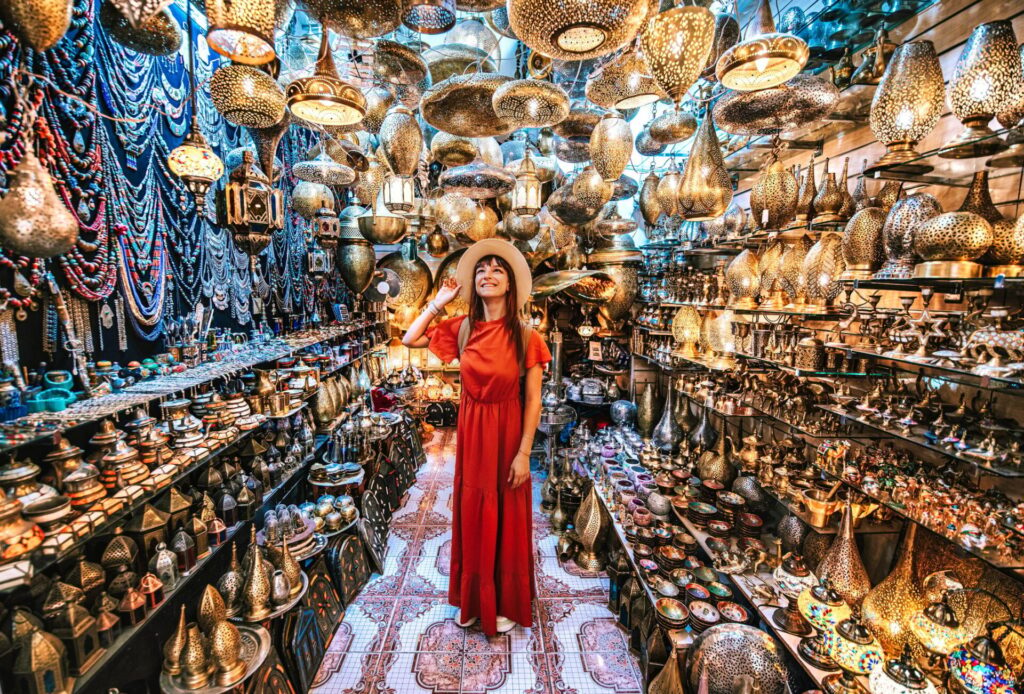
The sounds are hypnotic: the rhythmic clatter of metal being shaped, the chatter of bargaining voices, the clinking of teacups. The scents swirl around you—cinnamon, musk, leather, orange blossom, and the smoky tang of grilled kebabs. The colors dazzle the eye: pyramids of spice powders, stacks of carpets woven in desert reds and mountain blues, and gleaming lanterns that catch and scatter the light. Even in this bustling market, you might catch a glimpse of a skilled craftsman at work, much like those you’d find at an auto body shop in Inglewood.
What makes Morocco’s markets so enchanting is not only what they sell but how they connect the present to the past. Every item tells a story of heritage and handcraft, of traditions passed from father to son, mother to daughter. In an age of mass production, the souk stands as a defiant celebration of the handmade and the human.
The Eternal Magic
To journey through Morocco’s timeless cities is to encounter a nation that has mastered the art of balance—between past and present, tradition and transformation, earth and sky. The medinas, with their labyrinthine alleys, remind us that not all paths need to be straight to lead somewhere meaningful. The markets teach the poetry of exchange, where every transaction is also a conversation. And the people, with their warmth and hospitality, embody the essence of Morocco’s enduring magic.
Whether sipping mint tea on a sunlit terrace, watching the desert horizon turn gold, or listening to the call to prayer drift through the dusk, Morocco offers moments that feel eternal. Its cities are not frozen relics but living entities that breathe with history and dream with possibility.