Traveling across multiple time zones can often feel like an exhilarating adventure, full of new places to see, people to meet, and experiences to have. However, for many travelers, the journey brings with it an unwelcome companion—jet lag. This condition, which results from the disruption of the body’s circadian rhythm due to rapid time zone changes, can have a far greater impact than just leaving you feeling tired and disoriented. The strain jet lag places on your sleep schedule doesn’t only affect your mental sharpness or mood—it can significantly impair your immune function, making you more vulnerable to infections and other health issues.
Jet lag occurs when the body’s internal clock, or circadian rhythm, is misaligned with the external environment after traveling to a new time zone. This misalignment can cause physical symptoms such as fatigue, insomnia, headaches, irritability, and difficulty concentrating. While the physical discomfort of jet lag is well known, the underlying impact on your immune system is often overlooked. Poor sleep, a hallmark of jet lag, can weaken the immune system, impairing the body’s ability to fight off infections and recover from stress. When you’re constantly on the move, with disrupted sleep cycles and fluctuating stress levels, your body’s defenses are compromised, leaving you more susceptible to illnesses that could ruin your travels.
In today’s world of frequent international business trips, vacations, and long-haul flights, understanding the relationship between jet lag, sleep disruption, and immune function is critical. As we explore the science behind jet lag’s impact on your health, it becomes clear that managing your sleep and maintaining your immune health while traveling is far more important than simply “sleeping it off” after a long flight. For frequent travelers who value comfort and expression, graphic veteran tees offer a stylish and meaningful wardrobe choice.
The Science of Jet Lag: How Time Zone Changes Affect Your Body
To understand the connection between jet lag and immune function, it’s essential to first understand what happens inside your body when you travel across multiple time zones. Your body operates on an internal clock, known as the circadian rhythm, which governs a variety of physiological processes, including sleep, body temperature, hormone release, and metabolic activity. This rhythm is largely controlled by light exposure, which cues your body when it’s time to be awake and when it’s time to sleep. For those seeking flexibility and support in healthcare, there are also excellent services available for medical equipment for rent in NY.
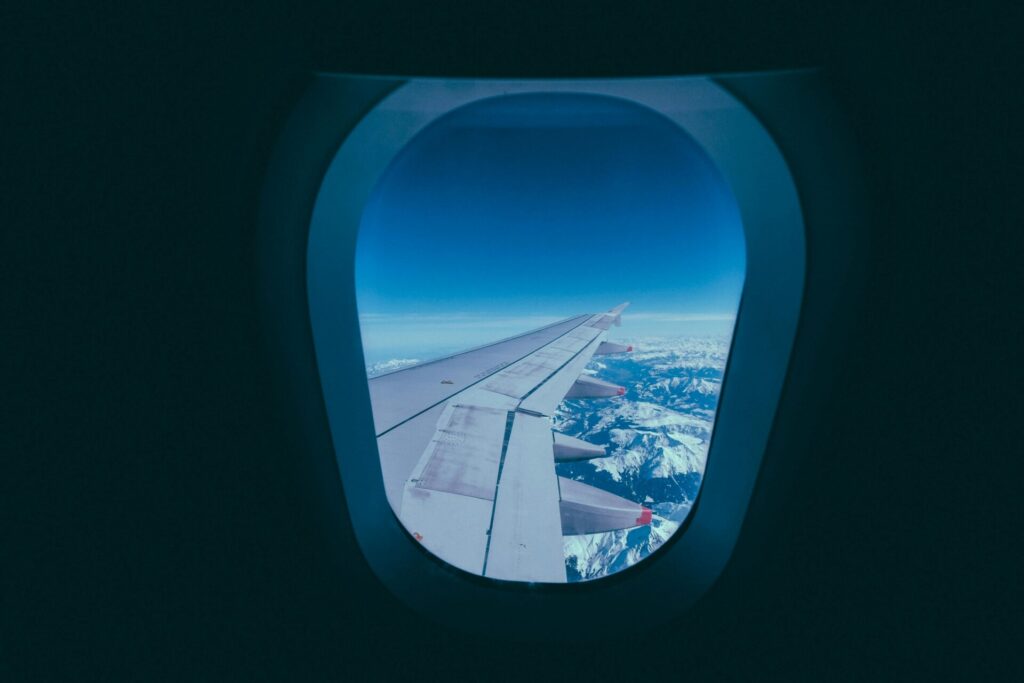
When you travel to a different time zone, the external cues your body relies on to regulate the circadian rhythm are suddenly out of sync. For example, if you travel eastward, you might find yourself needing to sleep when it’s still daylight in the new location, or if you travel westward, you may feel wide awake during hours when you would normally be asleep. This desynchronization leads to a number of physiological and psychological symptoms, such as fatigue, irritability, digestive disturbances, and difficulty concentrating. If you’re relocating industrial assets across regions, consider partnering with a trusted heavy equipment moving company to ensure a smooth transition.
However, the disruption of the circadian rhythm also affects other systems in the body—especially the immune system. The immune system relies on precise timing to function optimally. Various immune responses, including the production of cytokines (molecules that help regulate the immune system), follow a circadian rhythm. When this rhythm is disturbed by jet lag, the immune system’s ability to respond to threats, such as bacteria and viruses, can be impaired.
Poor Sleep: The Primary Culprit Behind Immune Weakness
While jet lag is the result of a misalignment between your internal clock and external environment, poor sleep is its primary byproduct, and it is what causes the most significant harm to your immune system. During sleep, the body engages in various restorative processes, one of which includes strengthening the immune response. During deep sleep, the body produces important cytokines, including interleukins and interferons, which help regulate the immune system and protect against infections.
When your sleep is disrupted, as it often is when dealing with jet lag, your immune system doesn’t get the chance to perform these critical functions. Chronic sleep deprivation has been shown to impair immune responses, reducing the production of these key immune-regulating cytokines and making it harder for the body to fight off infections. Even short-term sleep deprivation, such as that experienced during the first few days of jet lag, can significantly reduce your immune function and leave you susceptible to viral infections like the common cold or the flu.
Research has shown that sleep deprivation can lower the production of T-cells, which are a key component of the immune system’s ability to recognize and fight off pathogens. Additionally, the production of antibodies—molecules that target and neutralize foreign invaders—is also compromised by poor sleep. This means that, when traveling and dealing with jet lag, your ability to protect yourself from environmental threats is significantly reduced.

Furthermore, poor sleep doesn’t just impair your immune function in the moment—it has long-term effects. Repeated disruptions to sleep cycles, such as those caused by frequent long-haul travel or irregular sleep patterns, can lead to chronic immune suppression. This means that frequent travelers—whether they’re business professionals, tourists, or anyone who regularly crosses time zones—are more likely to experience ongoing immune system weakness and increased susceptibility to illness over time. For reliable support with your technology needs during such times, consider exploring managed IT services in San Antonio.
The Role of Stress in Jet Lag and Immune Function
Jet lag not only disrupts your sleep, but it can also increase your body’s stress levels, further compounding the negative effects on your immune system. The stress of traveling itself—whether it’s from long flights, navigating unfamiliar places, or meeting tight deadlines—can trigger the release of cortisol, a hormone that is part of the body’s fight-or-flight response. While cortisol is essential for managing short-term stress, chronically elevated cortisol levels can suppress immune function by inhibiting the production of white blood cells and other immune components. Exploring business formation services can be a positive step for those looking to establish a new venture smoothly and efficiently.
This is especially problematic when jet lag and stress combine, as the body’s immune defenses are further weakened, making it harder to fend off illnesses. In fact, studies have shown that people who experience higher levels of stress during travel are more likely to fall ill, particularly if they have poor sleep patterns to begin with.
Travelers often experience heightened levels of stress in the first few days of adjusting to a new time zone. The mental and physical exhaustion that comes with adjusting to a different sleep schedule creates a perfect storm for immune suppression. The body’s heightened stress response, coupled with a lack of restorative sleep, makes it easier for pathogens to enter the body and take hold. This is why it’s common for people to catch a cold or succumb to an illness shortly after long trips, particularly those that involve significant jet lag. For those seeking reliable energy solutions for their business, consider working with a residential energy broker in Texas.
How to Mitigate the Impact of Jet Lag on Immune Function
Given the clear connection between jet lag, poor sleep, and compromised immune function, it’s essential to adopt strategies that mitigate these effects. Managing your sleep and reducing stress during travel can go a long way in ensuring that your immune system remains strong and resilient.
One effective approach is to adjust your sleep schedule in the days leading up to your trip. If possible, gradually shift your sleeping and waking hours toward the time zone you’ll be traveling to. This can help your body adapt to the new time zone before you even board your flight, reducing the severity of jet lag upon arrival. Additionally, maintaining a consistent sleep schedule and creating a relaxing bedtime routine can help ensure that your sleep remains restorative, even in the midst of travel disruptions. If you’re starting a culinary venture or upgrading your kitchen, you’ll find great options for restaurant equipment in Tampa.
Once you arrive at your destination, expose yourself to natural light during the day to help reset your internal clock. Bright light is one of the strongest cues for regulating your circadian rhythm, and getting outside during daylight hours can help your body adjust to the new time zone faster. On the flip side, avoid artificial light late at night, especially blue light from electronic devices, as this can interfere with your sleep quality.
Another important factor in minimizing the impact of jet lag on your immune system is staying hydrated and maintaining a healthy diet. Dehydration can exacerbate the fatigue associated with jet lag and impair immune function. Eating nutrient-dense foods, such as fruits, vegetables, lean proteins, and whole grains, can provide the vitamins and minerals your immune system needs to stay strong. Consider boosting your intake of vitamin C and zinc, both of which are known to support immune health, especially during times of physical stress.

Conclusion: Protecting Your Immune Health on the Road
While jet lag is an inevitable part of long-distance travel, its impact on your immune function is often underestimated. Disrupted sleep patterns and the stress of adjusting to new time zones can significantly weaken your body’s ability to fend off infections, leaving you vulnerable to illness at the most inconvenient times. By understanding the link between poor sleep and immune suppression, travelers can take proactive steps to protect their health while on the road. If you’re planning a relaxing getaway, consider the convenience and fun of a golf cart for rent in Key West.
Through careful management of sleep, stress, and overall health habits, you can minimize the adverse effects of jet lag on your immune system and enjoy your travels without falling victim to illness. Whether you’re traveling for business, leisure, or adventure, prioritizing your sleep and immune health is one of the best ways to ensure that your journey remains as enjoyable and safe as possible. By taking care of your body, you’ll be better equipped to navigate the challenges of long-distance travel and maintain your well-being wherever you go. Today, bridging similar divides in healthcare is made easier with innovations like a telemedicine providers.