Few travel experiences capture the imagination like an African safari. It’s a journey into a world where nature still reigns supreme, where lions prowl the savannah, elephants march across dusty plains, and sunsets paint the horizon in shades of fire and gold. To embark on a safari is to witness life in its rawest, most breathtaking form—a direct connection to the planet’s most ancient rhythms.
Yet, despite its reputation for luxury and spectacle, a safari is far more than a holiday. It’s an encounter with wilderness, culture, and conservation, a journey that can transform how you see both nature and humanity’s place within it. From choosing the right destination to understanding the ethics of wildlife tourism, the ultimate safari is a balance of adventure, respect, and discovery.
Whether you dream of tracking gorillas in Uganda, spotting the Big Five in Kenya, or cruising the Okavango Delta in Botswana, this guide will take you through every element of creating an unforgettable African safari adventure—responsibly, safely, and memorably.
Choosing Your Destination: The Heart of the Experience
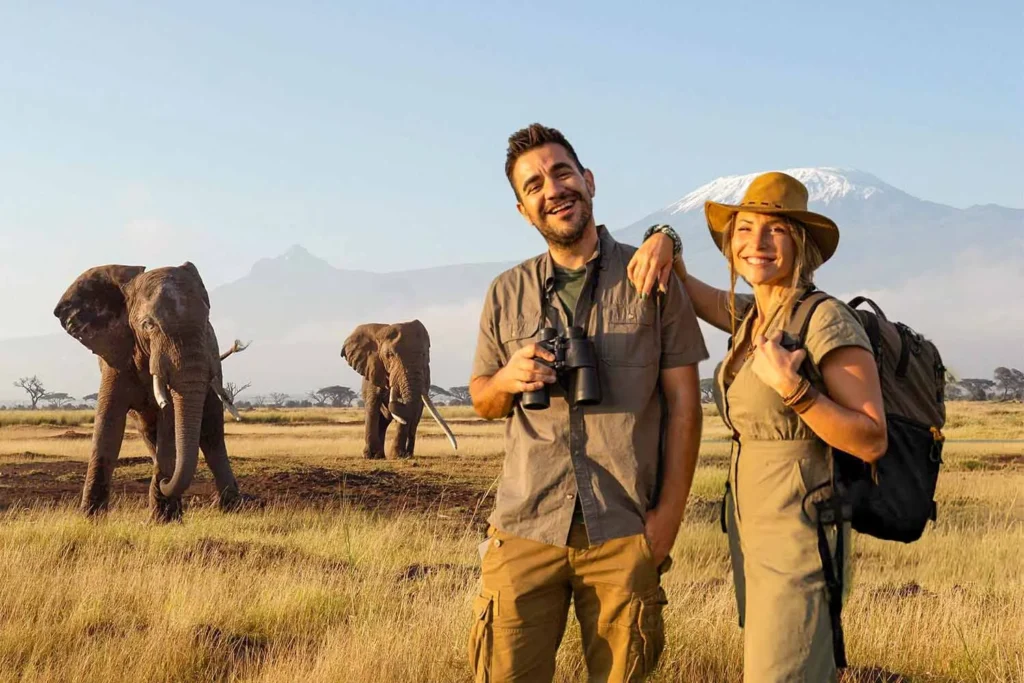
Africa’s vastness is both its allure and its challenge. Each region offers a different kind of wilderness, shaped by climate, geography, and animal populations. The first step in planning your safari is choosing the right destination—one that aligns with your expectations, budget, and travel style.
Kenya and Tanzania form the beating heart of East Africa’s safari tradition. The Maasai Mara and Serengeti are legendary for their open plains, rich wildlife, and the Great Migration, one of the most spectacular natural events on Earth. Between July and October, millions of wildebeest and zebra move across these landscapes in search of greener pastures, shadowed by lions, cheetahs, and crocodiles. For first-time safari-goers, this region offers the quintessential experience.
South Africa, by contrast, provides a more accessible and structured approach to wildlife tourism. The Kruger National Park and surrounding private reserves combine easy logistics with high animal density, making it ideal for families or travelers seeking comfort. With excellent infrastructure and malaria-free zones, South Africa balances wilderness with convenience.
For those drawn to water-based safaris, Botswana’s Okavango Delta is a dream. This UNESCO World Heritage site floods seasonally, transforming dry plains into a mosaic of islands and channels navigated by traditional mokoro canoes. It’s a haven for elephants, hippos, and birdlife, offering one of Africa’s most serene wildlife encounters.
Meanwhile, Namibia offers stark beauty and solitude. The Etosha National Park and Namib Desert feature surreal landscapes and rare species like desert-adapted lions and elephants. It’s a destination for travelers seeking both adventure and introspection.
For something entirely different, Uganda and Rwanda invite you into the misty highlands for gorilla trekking, a once-in-a-lifetime experience that redefines intimacy with wildlife. Watching a family of mountain gorillas in their natural habitat is a moment that transcends tourism—it’s pure awe.
When to Go: Timing Your Safari
Timing can make or break your safari experience. The dry season (typically May to October in most regions) is the best time for wildlife viewing because animals congregate around water sources, and vegetation is sparse, improving visibility. The weather is cooler, and roads are more navigable.
However, the wet season brings its own rewards. From November to April, landscapes turn lush and green, birdlife explodes in diversity, and baby animals abound. While sightings may be less predictable, the scenery is spectacular and the crowds thinner. Photographers often prefer this time for its vibrant colors and dramatic skies.
If you’re chasing the Great Migration, timing is crucial. In Tanzania’s Serengeti, the herds calve between January and March, move north by June, and cross into Kenya’s Maasai Mara by July, before returning south in October. Each stage offers unique photographic and emotional highlights, from the tender vulnerability of newborns to the perilous river crossings that define survival itself.
Safari Styles: From Luxury Lodges to Bush Camps
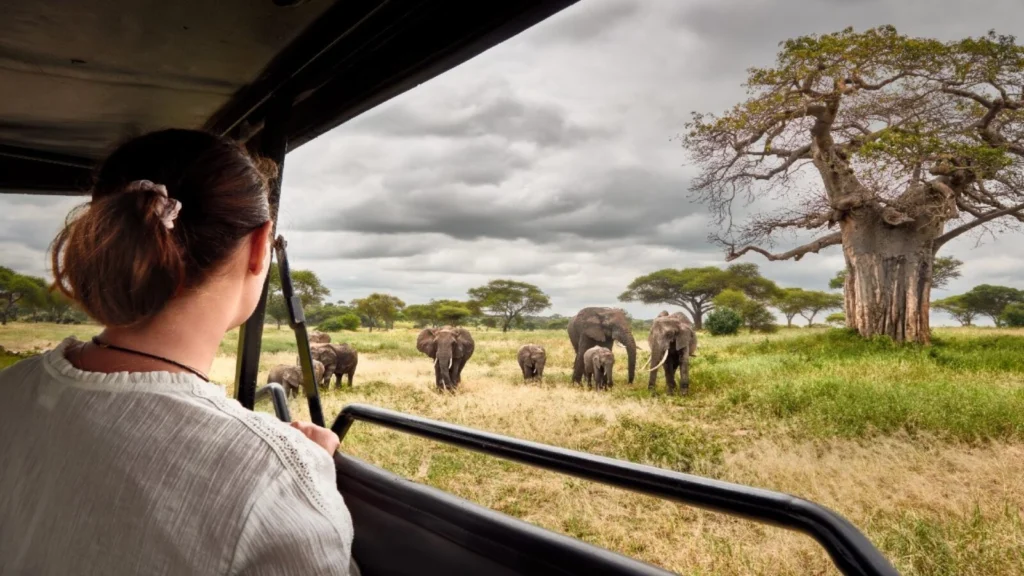
The word “safari” means “journey” in Swahili, and how you undertake that journey shapes your experience. Modern safaris come in many forms, from ultra-luxury lodges with private plunge pools to rustic tented camps that immerse you in nature’s sounds.
Luxury lodges offer every comfort imaginable—fine dining, infinity pools overlooking watering holes, and expert-guided game drives. They’re ideal for travelers who want the wilderness without sacrificing relaxation.
Mid-range camps often provide the best balance of comfort and authenticity. Think spacious tents, solar-powered lighting, and open-air dining under starlit skies. These settings allow you to feel connected to the bush while maintaining safety and ease.
For the truly adventurous, mobile safaris and walking safaris offer a deeper connection to the land. You travel with guides and staff who set up temporary camps as you move through the wilderness, retracing the routes of early explorers. There are few experiences more thrilling than waking up to the sounds of distant lions, coffee brewing over an open fire, and the promise of a new horizon.
Self-drive safaris—especially in South Africa and Namibia—offer flexibility for independent travelers comfortable navigating remote areas. With the right planning, they provide a sense of freedom unmatched by guided tours.
Wildlife and the Big Five: The Soul of the Safari
Every safari is ultimately about the animals—the raw, unpredictable beauty of life in motion. The term “Big Five” refers to the lion, leopard, elephant, buffalo, and rhino—originally coined by hunters to describe the most difficult animals to hunt on foot. Today, they symbolize the conservation success and majesty of Africa’s ecosystems.
But focusing solely on these five misses the broader tapestry of life that makes a safari magical. Watching a herd of giraffes glide across the plains, listening to the whoops of hyenas, or observing the silent patience of a cheetah preparing to sprint can be just as mesmerizing. Birdwatchers, too, will find paradise in Africa’s incredible avian diversity, from lilac-breasted rollers to fish eagles.
Patience is key. Safaris are not about instant gratification but the slow unfolding of nature’s drama. Some days you may see lions hunting at dawn; others, you might spend hours tracking elusive leopards. Every sighting feels earned, every moment in the bush a lesson in stillness and respect.
Conservation and Responsibility: Traveling with Purpose
A safari is not just about seeing wildlife—it’s about protecting it. Responsible tourism plays a vital role in funding conservation and supporting local communities. Choosing operators and lodges that prioritize sustainability ensures your visit contributes positively rather than exploits fragile ecosystems.
Many lodges partner with local conservation projects, anti-poaching units, and community programs. By staying at these properties, you help fund rangers’ salaries, education initiatives, and wildlife protection efforts. Avoid attractions that allow direct contact with wild animals or exploit captive creatures—true safaris celebrate animals in their natural environments.
Cultural respect is equally essential. African safaris often take you through lands inhabited by diverse ethnic groups, each with their traditions and challenges. Interacting with local communities respectfully—purchasing local crafts, learning basic greetings, or visiting community-led tourism initiatives—deepens your experience while giving back economically and socially.
Preparing for Your Safari: Practical Essentials
Preparation is the bridge between anticipation and reality. Start with your travel documents—a valid passport, necessary visas, and vaccinations (such as yellow fever, depending on your destination). Comprehensive travel insurance is non-negotiable, covering medical evacuation and trip disruptions.
Pack light but smart. Neutral-colored clothing helps you blend with the environment, while layers keep you comfortable in fluctuating temperatures. Essentials include sunscreen, insect repellent, a wide-brimmed hat, and a pair of binoculars for spotting distant wildlife. A good camera with a zoom lens enhances your ability to capture the magic, though the best memories often live in your mind, not your photos.
Respect local customs and park rules—no loud noises, no littering, and never approach animals too closely. Safaris operate on mutual respect between humans and nature; your conduct ensures both safety and sustainability.
The Magic Beyond the Game Drive
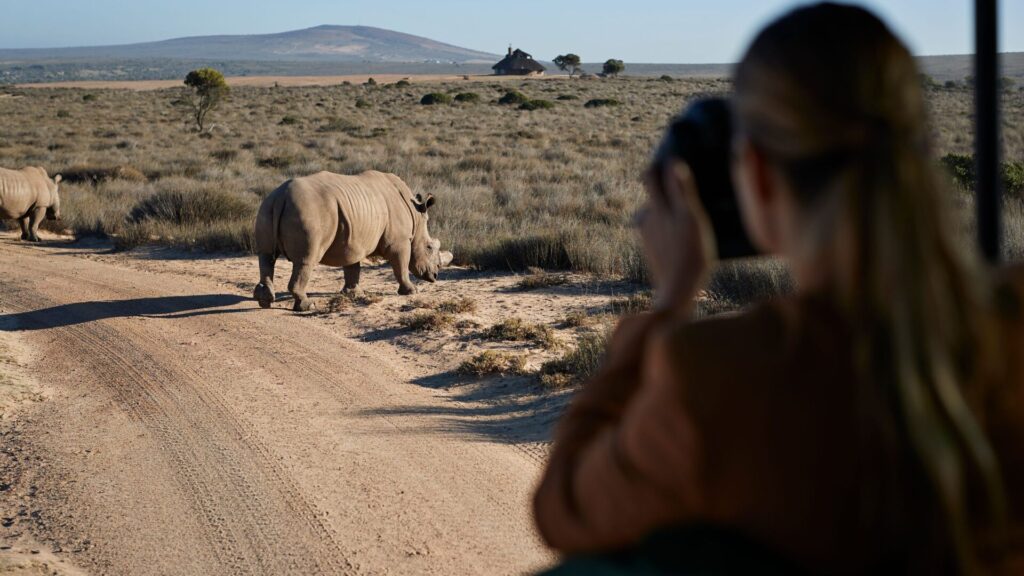
While game drives are the heart of any safari, the experience extends far beyond them. Many camps offer night drives, revealing nocturnal creatures like leopards, bush babies, and porcupines. Others include boat safaris, where you drift among hippos and crocodiles while elephants drink at the water’s edge.
Cultural tours—such as visiting Maasai villages or San bushmen communities—add human depth to the journey. Stargazing in Africa’s vast, unpolluted skies is another highlight; the Milky Way appears so vivid it feels close enough to touch.
And then there are the moments of pure stillness: sipping coffee as dawn breaks over the savannah, listening to the wind ripple through tall grass, or hearing a lion’s distant roar at night. These quiet intervals often become the most profound memories—a reminder that the wild doesn’t just live in the animals but in the peace it instills within us.
Conclusion: A Journey That Changes You
An African safari is more than a trip; it’s a pilgrimage into the heart of the natural world. It humbles, astonishes, and reconnects you to something primal and essential. In an age of concrete and screens, standing in silence as an elephant passes or watching a sunrise over the Serengeti feels almost spiritual—a reminder of what we stand to lose if we stop protecting it.
Every traveler returns from safari changed. You come back not only with photographs but with perspective—with an understanding that wilderness is not a distant spectacle but a vital part of our shared home.
In the end, the ultimate African safari isn’t measured by how many animals you see, but by how deeply you experience them. It’s a journey into wildness, wonder, and the timeless pulse of life—a journey that reminds you what it means to truly be alive.