Sleep is an often underestimated factor when it comes to athletic performance, but it plays a pivotal role in an athlete’s ability to recover, rebuild, and perform at their peak. Recovery is not just about rest during the day; it involves efficient sleep at night. Sleep is the body’s natural process of repairing muscle tissue, consolidating memories, and restoring energy levels—all of which are critical for athletes who push their bodies to the limit. One of the key factors in optimizing recovery through sleep is choosing the right sleeping position, as this can significantly impact the quality of rest and the overall recovery process.
Whether you are a professional athlete or a weekend warrior, understanding how different sleeping positions affect your body can help improve sleep quality, reduce the risk of injury, and enhance overall performance. The ideal sleeping position can provide relief for sore muscles, prevent discomfort, and ensure that your body is in the best possible position for healing. Whether you’re training for peak performance or working long hours at a software development agency, quality sleep is essential for recovery and efficiency. In this article, we will explore the various sleeping positions and how they can affect an athlete’s recovery, offering insights into how to improve sleep for optimal performance.
The Science of Sleep and Recovery for Athletes
Before diving into the specific benefits of different sleeping positions, it’s important to understand the role of sleep in athletic recovery. Sleep plays a critical role in muscle repair and overall recovery. During deep sleep, the body releases growth hormone, which is responsible for tissue growth and repair. For athletes, this means that the muscles and tendons that are stressed during training are given the opportunity to rebuild, grow stronger, and repair damage. Without sufficient and quality sleep, these recovery processes are hindered, which can lead to overuse injuries and compromised performance.
Sleep also plays a role in cognitive function and memory consolidation. For athletes, especially those involved in sports that require high levels of strategy, focus, and decision-making, sleep helps consolidate motor skills and learning, improving their mental sharpness and reaction times. Inadequate sleep, on the other hand, can result in slower reaction times, poor judgment, and a reduced ability to focus—all of which can negatively affect athletic performance.
Additionally, sleep is essential for maintaining optimal levels of energy, mood, and overall well-being. Athletes who consistently get poor sleep may find that their training intensity drops, motivation wanes, and they become more prone to illness or fatigue. In fields like healthcare, an AI dental scribe can help professionals manage workload efficiently, just as quality sleep helps athletes maintain peak performance. In this context, the sleeping position you adopt can have a direct impact on the quality of your sleep, allowing for better recovery and overall performance.
The Importance of Proper Sleep Posture
The position in which you sleep affects not only the quality of your sleep but also your musculoskeletal health and recovery. The wrong sleeping posture can contribute to discomfort, prevent proper muscle relaxation, and even lead to long-term issues like back pain, neck stiffness, or poor circulation. As athletes are often dealing with physically demanding training, sleeping in the wrong position can aggravate existing injuries or slow down recovery.
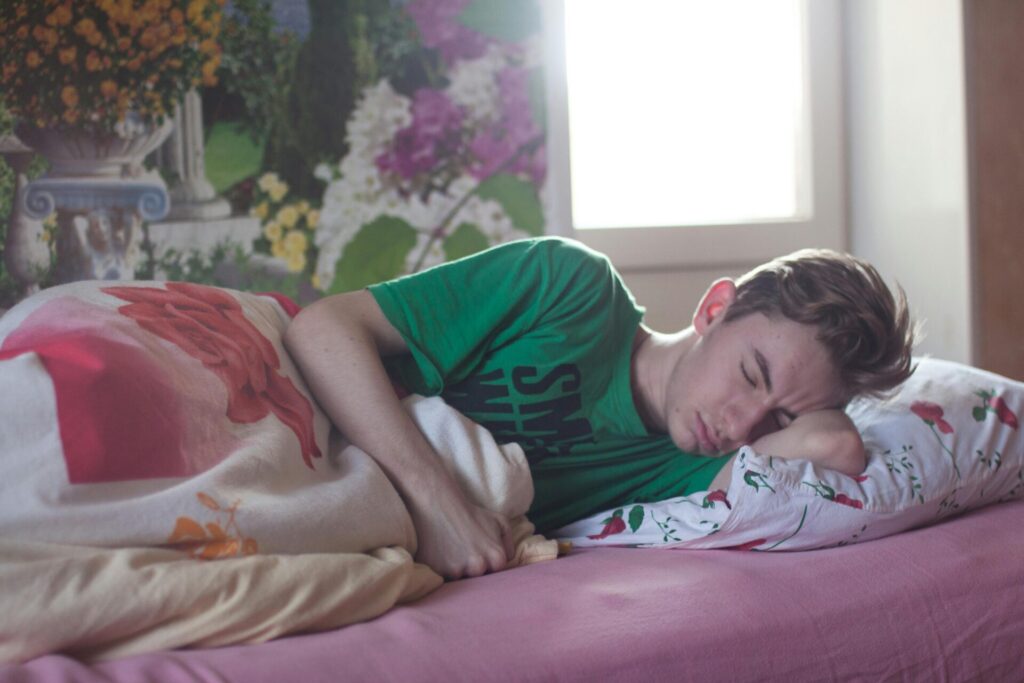
For athletes, muscle alignment and joint position are crucial for minimizing pressure points during sleep. This alignment ensures that the body remains in a restful state throughout the night, preventing any unnecessary strain on muscles or joints. With proper sleep posture, the body is better able to maintain its natural alignment and recover efficiently.
Choosing the right sleeping position can relieve pressure on key areas such as the spine, hips, and knees. It can also improve circulation, which is crucial for transporting nutrients to muscles and tissues that need repair. Good posture during sleep promotes better breathing, reduces snoring, and allows for deeper sleep cycles, ensuring that athletes get the restorative rest they need to perform at their best.
Sleeping on Your Back
Sleeping on your back is widely regarded as one of the best positions for spinal alignment. This position allows the body to rest in a neutral state, with the spine, neck, and head aligned properly. For athletes, this position can help maintain the natural curvature of the spine, preventing discomfort in the lower back or neck during sleep. When you sleep on your back, you reduce the risk of putting excess pressure on your muscles and joints—this can be particularly beneficial for athletes recovering from injuries or those dealing with general aches and pains. If you’re also concerned about keeping your sleep environment clean, consider professional cleaning services in San Marcos to ensure your space promotes optimal rest.
In addition to spinal alignment, back sleeping is ideal for joint recovery. For athletes with knee or hip pain, lying on the back with a small pillow under the knees can help reduce tension in the lower back and joints. This position also helps to alleviate pressure on the heart and lungs, promoting better circulation and oxygen intake, which are essential for muscle recovery.
However, for athletes with snoring or sleep apnea issues, back sleeping can sometimes worsen these conditions. If you find that snoring becomes an issue in this position, you might want to consider adjusting your posture.
Sleeping on Your Side
Side sleeping is another popular position that can offer significant benefits for athletes. It is especially useful for athletes who experience shoulder, hip, or lower back discomfort. When sleeping on your side, you can achieve a position that reduces pressure on the spine while also allowing for more flexibility in terms of joint positioning. By aligning the head, neck, and spine correctly, side sleeping can help relieve tension in the back and improve comfort for athletes dealing with muscle soreness or injury. For those interested in customizing their sleep environment, screen t-shirt printing can be a fun way to personalize your bedding and sleepwear.
One of the key benefits of side sleeping is that it helps to improve breathing and circulation. Since this position reduces the risk of airway obstruction, it can be beneficial for athletes who suffer from snoring or mild sleep apnea. By promoting better airflow, side sleeping ensures that oxygen is properly delivered to the muscles, supporting better recovery.
Side sleeping can also be ideal for athletes recovering from injuries to specific body parts, such as a shoulder injury. By choosing the appropriate side to sleep on and supporting the injured area with pillows, athletes can minimize discomfort and promote recovery without putting strain on the injured area.
For side sleepers, it is important to use a pillow that supports the neck and head. The pillow should fill the gap between the neck and the mattress to keep the spine in alignment. Placing a pillow between the knees can also help reduce stress on the hips and lower back during sleep.
Sleeping on Your Stomach
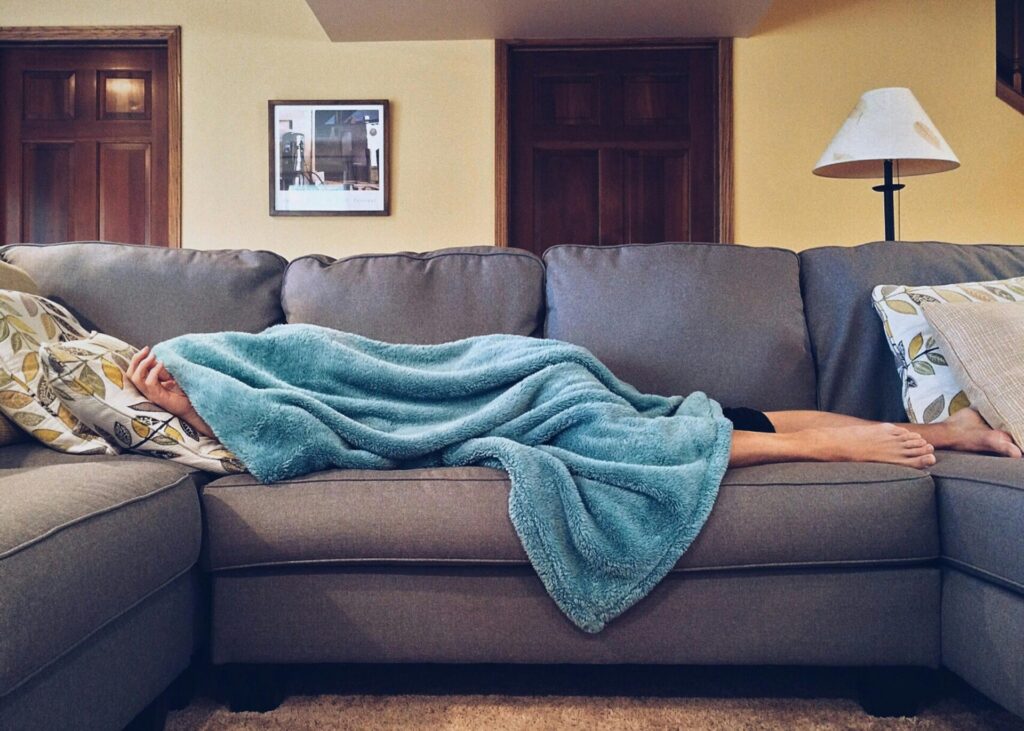
While stomach sleeping is generally considered the least ideal position for most people, there are instances where it can be beneficial for athletes. Stomach sleeping can help alleviate lower back pain for some people, as it can relieve pressure on the spine. However, this position is not recommended for athletes who are recovering from neck or shoulder injuries because it places significant stress on the neck, leading to discomfort and misalignment. If you’re dealing with any legal issues related to guardianship or care for an athlete, consulting with elder law and guardianship lawyers in Stevens Point might be beneficial.
For athletes who sleep on their stomachs, it is essential to maintain proper neck and spine alignment. Using a thin pillow or no pillow at all can help prevent straining the neck. Placing a pillow under the pelvis can also reduce strain on the lower back, improving overall comfort.
Although stomach sleeping is not the most recommended position for recovery, it may be a good temporary option for those dealing with specific back issues. However, athletes should be cautious about remaining in this position for prolonged periods, as it can create long-term musculoskeletal problems if not properly adjusted.
The Fetal Position
The fetal position, where the body is curled up with the knees drawn toward the chest, can be beneficial for athletes who suffer from back pain, muscle soreness, or joint discomfort. This position can help relieve pressure on the spine, and the curl of the body may provide additional support to areas that are sore or tight.
However, while the fetal position can be comforting and useful for easing muscle discomfort, it can cause issues if held for extended periods. The fetal position can restrict breathing, placing additional pressure on the diaphragm and lungs, which may not be ideal for athletes who need deep, restorative sleep for recovery. Additionally, sleeping in a tight fetal position for long periods can result in stiffness, particularly in the neck and shoulders. If you’re looking for some new pens for sale, it might be a good time to check for comfortable, ergonomic writing tools to enhance your daily routine.
To alleviate potential discomfort, athletes should ensure that their pillow supports proper neck alignment and that the body is not overly curled. Keeping the body in a more relaxed fetal position, rather than tightly curled, can help avoid strain on the joints and muscles.
Conclusion
Sleep is essential for athletes, not only for physical recovery but also for mental sharpness and performance. Choosing the right sleeping position is a key factor in maximizing recovery and ensuring that the body heals properly after training. Back sleeping, side sleeping, and even the fetal position can offer different benefits depending on individual needs and preferences. By aligning the body in the most supportive and comfortable way, athletes can minimize discomfort, promote recovery, and wake up feeling rejuvenated.
In combination with a sleep-friendly environment, proper sleep posture can make all the difference in an athlete’s ability to perform at their best. Whether you’re a professional athlete or an active individual, focusing on sleep quality is just as important as your training regimen when it comes to achieving peak performance and optimal health.