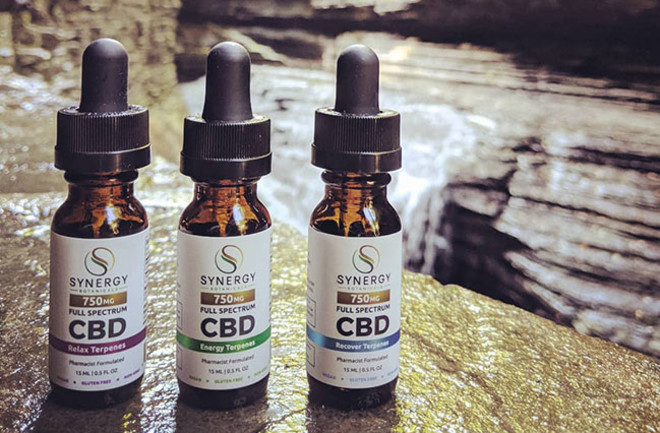
Future of CBD wellness products
Why CBD?
Cannabis (Cannabis indica, L.) includes more than 120 phytocannabinoids. These are plant substances that have the potential to activate receptors in the endocannabinoid system. THC is the most well-known, and CBD CBD is the most widely researched and extensively studied cannabinoids but ongoing research is being conducted regarding the therapeutic benefits of many lesser-known cannabinoids like cannabichromene (CBC) and cannabinol (CBN). From a wellness standpoint, CBD continues to stand out for its therapeutic potential.
Potential health benefits
A multitude of initial research studies indicates that CBD can provide a range of wellness benefits. The most recent European Court of Justice ruling regarding the legality of CBD as a drug that is not a controlled substance opens the door to more extensive research opportunities.
Only one medical product containing CBD is currently allowed to be used in the EU: Epidyolex(r), which is an adjunct treatment for seizures associated with the Lennox-Gastaut and Dravet syndromes. Additionally, CBD has become increasingly popular in the wellness field due to its ability to provide relaxation, pain relief, and relieving inflammation.
CBD oil , hemp seed oil
CBD oils and hemp seeds are two intoxicating and non-toxic substances that are extracted from the cannabis plant. However, they are very different products in both creation and presentation to the market.
Hemp seed oil is obtained solely from hemp seeds and manufactured through cold pressing. Hemp seeds have little to no cannabinoids, and therefore are not a known source of CBD. Rich in omega-3 and omega-6 fatty acids hemp seed oil may offer a variety of nutrient benefits through consumption. It can also be applied topically to alleviate dry skin.
CBD oil, or hemp extract, is extracted from the cannabis plant through extraction using solvents such as CO2 or alcohol. CBD can be obtained via the blossoming plants, or extracted from the entire plant.
Certain manufacturers attempt to claim that hemp seed oil has similar benefits to CBD. Through increasing customer education and awareness, as well as guidelines from the regulatory authorities for wellness products’ testing, labeling and testing the difference between these two products will become easy for consumers to understand.
Comparing hemp and cannabis-derived CBD
Another area of uncertainty in CBD is the source of the plant. Drug-type cannabis and hemp are both made from the same plant species, Cannabis sativa L. In Europe, all cannabis plants that have more than 0.2% THC (on an amount dry weight basis) are considered to be cannabis of the drug type. Anything less than this level is considered to be hemp.
The resin produced by cannabis plants keeps the same ratios of cannabinoids. That means that drug-type cannabis, with its higher levels of THC, typically produces proportionally higher levels of CBD than hemp in terms of volume. Whatever the plant source, CBD is consistent at the molecular scale.
CBD concentrations
Without the requirement of validating tests, the advertised CBD content in many CBD-rich products can often not accurately reflect the actual CBD amount. A recent study of 29 available over-the-counter CBD products available in the UK found there was a majority products test (62 percent) were not able to provide CBD levels within 10% of the quantity stated on the label. Results ranged between 0% and 155% of what was listed on the product’s label, these results are consistent with other studies of labeling errors.
It would be best to find some proper CBD bundles and enjoy the full CBD potential that you can get for your money.
Processing and extraction
The extraction method and the extent of processing that is required to produce CBD to use for ingredient purposes depends on the end product. To meet the various demands, Valens offers a full set of custom extraction services such as CO2 Hydrocarbon, ethanol solvent-free, and terpene extract.