Spain is a land of striking landscapes, passionate traditions, and deep-rooted regional pride. While its cultural symbols—flamenco, bullfighting, paella—are often used to define it from the outside, the reality of Spain’s identity is far more diverse and nuanced. Nowhere is this more evident than in its fiestas. From the fiery Fallas of Valencia to the solemn Semana Santa processions of Andalusia and the tomato-splattered chaos of Buñol’s La Tomatina, Spain’s festivals do more than entertain. They serve as living expressions of regional heritage, religious devotion, and communal identity. To understand Spain’s soul, one must walk into its plazas during fiesta season, where history, faith, and regional character are celebrated with unparalleled fervor.
The Role of Festivals in Spanish Society
Festivals in Spain are not mere spectacles; they are collective rituals that bind communities together. Unlike many countries where national holidays dominate the cultural calendar, Spain thrives on the uniqueness of local celebrations. Each town and city claims its own traditions, often stretching back centuries, preserved through oral history, religious devotion, and civic pride. These events are intergenerational affairs where families gather, neighbors collaborate, and outsiders are welcomed into the rhythms of the community.
The decentralized political structure of Spain mirrors this cultural reality. With seventeen autonomous communities, each with its own language, customs, and history, the country is less a monolithic nation than a mosaic of regions. Festivals embody this diversity, providing a stage where regions assert their cultural distinctiveness while remaining part of a broader Spanish identity.
Religious Devotion and Public Expression
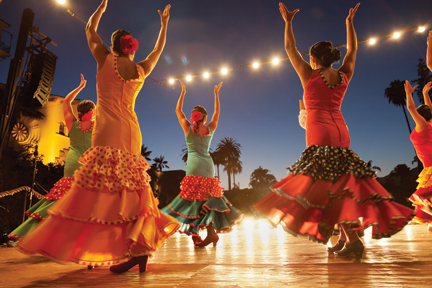
At the heart of many Spanish festivals lies religion. Catholicism, introduced during the Roman Empire and entrenched during the centuries of Reconquista, continues to shape Spain’s ceremonial life. The Holy Week processions of Andalusia, for instance, illustrate the solemnity and spectacle of faith. In Seville, massive pasos—ornate floats depicting scenes from the Passion of Christ—are carried through the streets by brotherhoods, accompanied by mournful saetas (improvised flamenco prayers) sung from balconies. The devotion of the costaleros, who bear the heavy floats, symbolizes endurance, sacrifice, and piety. Yet even within the framework of Catholicism, regional variations emerge. In Castile, the processions are stark and penitential, reflecting the austere spirituality of the region, while in Andalusia, they are grand and theatrical, mirroring the warmth and intensity of its people.
These processions are not simply religious rituals; they are civic events that reveal the social fabric of each community. Brotherhoods often represent specific neighborhoods, and participation is seen as both a personal honor and a familial duty. In this way, religion becomes a vehicle for expressing regional character, binding faith to identity.
Fire and Rebirth: Las Fallas of Valencia
If Andalusia exemplifies devotion through solemnity, Valencia reveals its spirit through fire. Las Fallas, held every March, is among Spain’s most iconic and exuberant festivals. The city transforms into an open-air gallery of towering ninots—satirical effigies often lampooning politicians, celebrities, and cultural trends. These artistic monuments are built by local guilds, with each neighborhood competing to create the most elaborate display.
For days, the city is filled with music, parades, fireworks, and the rhythmic crack of firecrackers echoing through the streets. The climax comes on La Cremà, when the ninots are set ablaze in a cathartic bonfire, symbolizing purification and renewal. The Valencian character—irreverent, creative, and fiercely communal—emerges in every aspect of the festival. Through fire, the city not only mocks and critiques but also celebrates its resilience, burning away the old to make way for the new.
Chaos and Camaraderie: La Tomatina of Buñol
Spain’s festivals also reveal a playful side of its culture. La Tomatina, held in the small Valencian town of Buñol, is a spectacle of joyful chaos. Thousands gather to hurl ripe tomatoes at each other in what has become the world’s largest food fight. While its origins remain debated—some say it began as a prank, others link it to a spontaneous protest—the event has grown into an international phenomenon.
On the surface, it may appear as nothing more than messy fun, but La Tomatina reflects deeper values of camaraderie and communal release. The act of pelting strangers with tomatoes levels social boundaries, uniting locals and tourists alike in a shared experience of absurdity. For Buñol, a town of modest size, the festival also asserts its place on the cultural map of Spain, reminding the world that even small communities contribute to the nation’s identity through their unique traditions.
Running with Tradition: San Fermín in Pamplona
Few festivals have captured global imagination like San Fermín in Pamplona, immortalized by Ernest Hemingway in The Sun Also Rises. Every July, the city becomes a stage for one of the most daring rituals: the running of the bulls. Participants dressed in white with red scarves sprint through narrow streets alongside charging bulls destined for the evening’s bullfights.
The encierro is not only a test of courage but also a reaffirmation of Navarrese traditions. San Fermín, the patron saint of the region, is honored with processions, music, and revelry, while the encierro embodies values of bravery, resilience, and community spirit. Though controversial, especially amid modern debates over animal rights, the festival highlights the deep historical connection between bull culture and Spanish identity, while also demonstrating how regional customs adapt and persist in the face of global scrutiny.
Cultural Resistance and Regional Identity
For regions such as Catalonia and the Basque Country, festivals take on an additional political dimension. In Catalonia, the castells—human towers built during festivals—symbolize unity, strength, and balance, values tied to the region’s identity. Each castell involves hundreds of participants working in harmony, embodying the Catalan ethos of collective effort and resilience.
In the Basque Country, rural sports competitions like wood chopping or stone lifting are integral to local festivals, celebrating the physical endurance and agricultural heritage of the region. These events are more than entertainment; they are affirmations of cultural uniqueness within a state that has often sought to homogenize identity. Through festivals, Catalans and Basques preserve traditions that distinguish them from the broader Spanish narrative while reinforcing their own sense of belonging.
Food, Music, and Everyday Identity
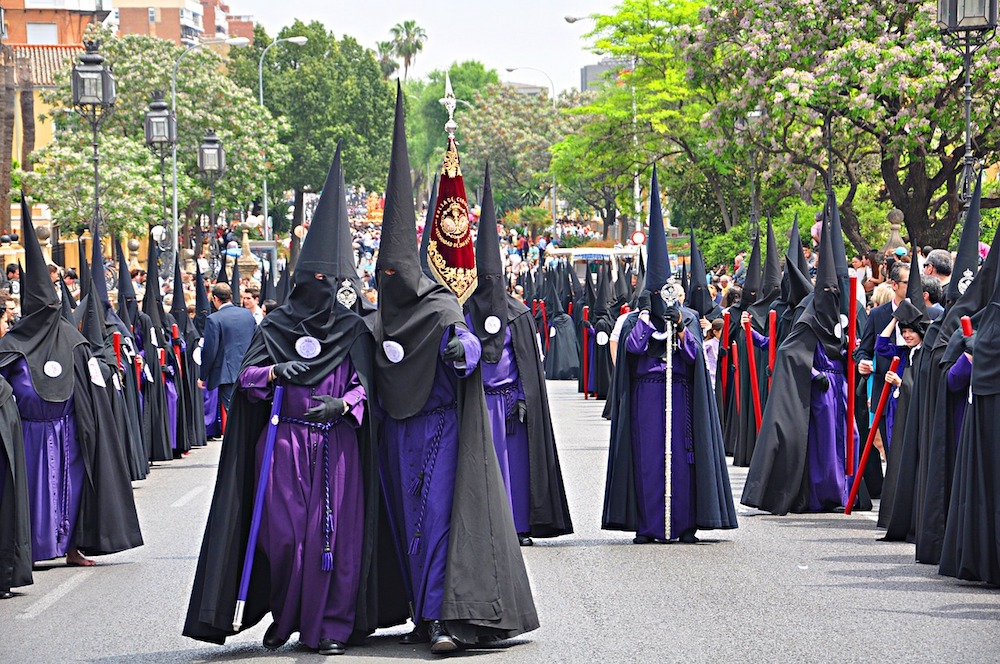
No Spanish festival is complete without food and music, both of which reveal regional character. Galicia celebrates seafood during Festa do Marisco, showcasing its Atlantic identity and maritime traditions. In Andalusia, flamenco performances during fairs embody the passion and artistry of the south, while in Castile, traditional dances like the jota accompany village celebrations, reflecting a more rustic and stoic spirit.
Food stalls at festivals transform plazas into kitchens, where locals share specialties such as paella in Valencia, pintxos in the Basque Country, or churros with chocolate during winter festivities. These culinary traditions are as integral to identity as the rituals themselves, grounding celebrations in the flavors and rhythms of everyday life.
Festivals as Tourism and Global Influence
While deeply rooted in local identity, many Spanish festivals now attract international audiences. Events like Las Fallas, San Fermín, and La Tomatina draw thousands of tourists, boosting local economies and projecting Spanish culture onto the global stage. Yet commercialization raises questions of authenticity. Some locals worry that the influx of visitors dilutes the original meaning of their traditions, transforming sacred rituals into spectacles for consumption.
Despite these tensions, Spain has largely embraced the dual role of festivals as both cultural heritage and economic opportunity. By balancing authenticity with accessibility, communities ensure their traditions remain vibrant while adapting to contemporary realities.
Continuity and Change in the Fiesta Nation
Spain’s festivals illustrate a paradox: they are at once ancient and modern, sacred and profane, local and global. While many traditions date back centuries, they remain dynamic, evolving to reflect contemporary values. Fireworks displays grow more elaborate with technology, political messages are woven into satirical effigies, and music fuses traditional instruments with modern rhythms. What remains constant is the central role of community, identity, and celebration.
For Spaniards, fiestas are not escapist interludes from daily life but integral parts of cultural expression. They remind participants of their roots, connect generations through shared experiences, and project regional pride into the national and international arena.
Conclusion: Spain Through Its Celebrations
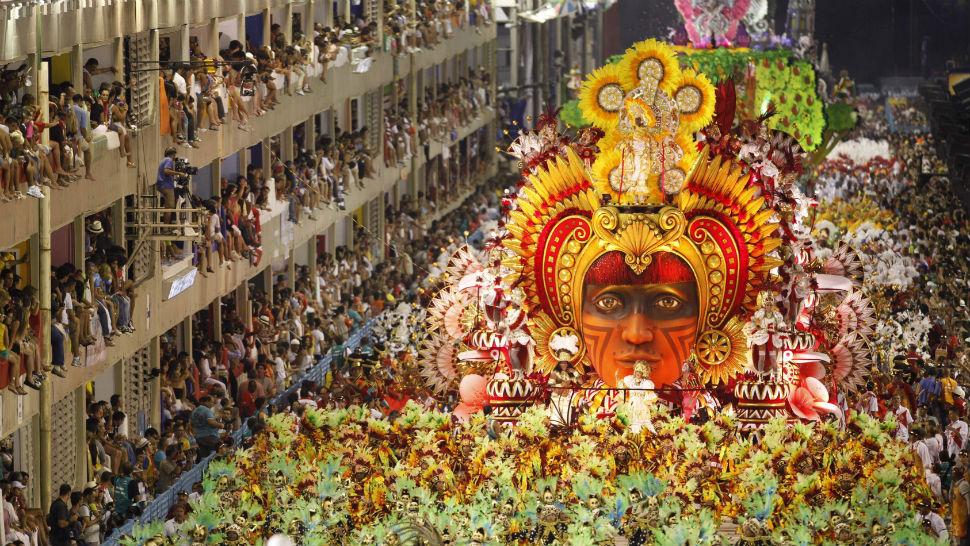
To walk through Spain during fiesta season is to encounter a nation that is not singular but plural, not homogenous but diverse. Each festival—whether it involves flames, tomatoes, bulls, or solemn processions—tells a story of place, people, and history. Together, they form a tapestry of identities that define Spain as a fiesta nation. It is a country where celebration is not merely entertainment but a declaration of who they are, region by region, town by town, and plaza by plaza. In this way, Spain’s festivals reveal not just its traditions but the enduring strength of its regional identities, proving that the true spirit of Spain is best found not in monuments or museums but in the living, breathing rhythm of its fiestas.