Mount Kilimanjaro, Africa’s tallest peak, rising majestically at 5,895 meters, is more than just a mountain—it’s a dream, a challenge, and a journey that changes those who dare to climb it. For first-time climbers, the allure of Kilimanjaro is irresistible: the idea of standing on the “Roof of Africa,” watching the clouds drift beneath your feet, and feeling the exhilaration of conquering one of the world’s most iconic summits. But achieving this dream requires more than sheer determination; it requires preparation, knowledge, and an appreciation for the rich tapestry of experiences Tanzania has to offer beyond the climb.
Choosing Your Route: Paths to the Summit
Kilimanjaro offers several routes to the summit, each with its own character, difficulty level, and scenic appeal. The Marangu Route, often called the “Coca-Cola Route,” is the most traditional. It’s favored for its structured huts along the way, offering a more comfortable experience for first-time climbers. Yet, while the huts provide shelter, the route’s quicker ascent can make acclimatization trickier, so it requires careful pacing.
The Machame Route, nicknamed the “Whiskey Route,” offers a more scenic and challenging journey. With lush rainforests, open moorlands, and jagged volcanic landscapes, it immerses climbers in the mountain’s natural diversity. Though it demands more endurance than Marangu, its longer itinerary allows for better acclimatization, increasing the chances of reaching the summit safely.
Other routes like Lemosho, Rongai, and Northern Circuit each provide unique perspectives of Kilimanjaro. Lemosho is renowned for its dramatic landscapes and lower traffic, ideal for those seeking solitude. Rongai approaches the mountain from the north, offering a drier, quieter path, while the Northern Circuit, the newest route, is the longest and allows climbers to circumnavigate the mountain before the final push to Uhuru Peak.
Preparing Physically and Mentally
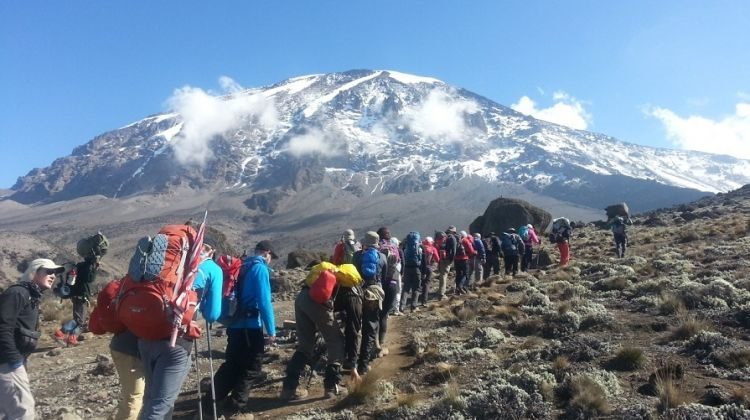
Climbing Kilimanjaro is as much a mental endeavor as a physical one. While it’s classified as a non-technical climb, meaning you don’t need advanced mountaineering skills, the altitude presents a formidable challenge. Many first-time climbers underestimate the effects of high altitude, which can include fatigue, headaches, and nausea. Preparing your body through cardiovascular training, strength exercises, and hiking with a loaded backpack is essential. Mental preparation is equally important. Embracing the discomfort, cultivating patience, and staying motivated through long, tiring days makes a significant difference.
Packing carefully can also enhance your experience. Essential gear includes a sturdy pair of hiking boots, layered clothing for fluctuating temperatures, a reliable sleeping bag, and trekking poles to ease pressure on your knees. A well-fitted backpack, sun protection, and water purification tablets will keep you comfortable and safe. .
Trekking Experience: From Rainforest to Arctic Desert
One of Kilimanjaro’s most fascinating aspects is the dramatic ecological zones you traverse on the way to the summit. The trek begins in lush rainforest, alive with birds, butterflies, and towering trees draped in moss. Here, the air is humid, the soil soft underfoot, and streams provide natural hydration stops. As you ascend, the landscape transitions into heath and moorland, where giant lobelias and groundsels create an almost surreal environment. The air grows thinner, colder, and crisper, and the mountain’s vastness begins to sink in.
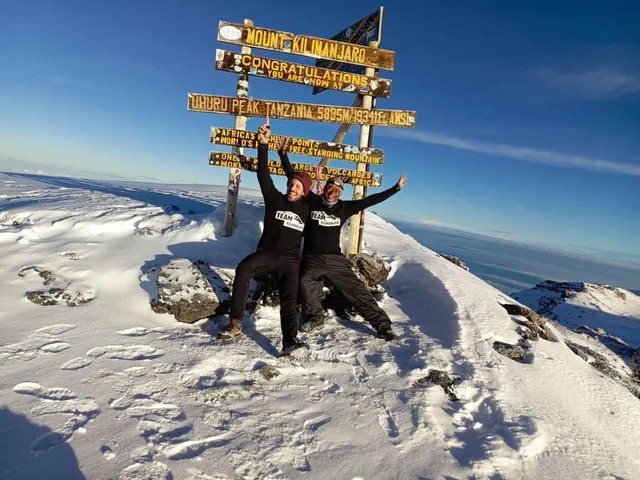
Higher up, you enter the alpine desert, where temperatures drop drastically and the terrain becomes rocky and barren. The sky is a deeper shade of blue, and the mountain’s raw, volcanic beauty is stark and unforgettable. Finally, the last stretch takes you to the arctic summit zone. The air is thin, your steps are slower, and each breath is a reminder of how far you’ve come. Reaching Uhuru Peak at sunrise is an emotional moment: the clouds stretch below you like an endless ocean, and the sense of achievement is overwhelming.
The Summit Night: A Test of Endurance
For many first-time climbers, the summit night is the most demanding part of the journey. Starting around midnight, you face freezing temperatures, darkness, and extreme fatigue. Trekking under a blanket of stars, with only your headlamp to light the path, is both haunting and awe-inspiring. Your muscles ache, your lungs burn, and the temptation to turn back is real. Yet, step by step, climbers press on, often drawing strength from fellow trekkers and the anticipation of standing atop Africa.
Reaching Uhuru Peak is a moment of quiet triumph. The sky is painted in soft hues of pink and gold, and the vastness of Tanzania stretches endlessly below. Many climbers shed tears, hug their guides, and take a moment to breathe in the experience. It’s not just about standing at the highest point; it’s about embracing the journey that brought you there.
Descending: Reflection and Recovery
Descending Kilimanjaro is often easier physically but requires careful attention. The steep slopes and loose rocks can strain knees and ankles, making controlled movement crucial. During the descent, climbers have a unique opportunity to reflect on the experience, taking in landscapes they may have rushed past on the way up. The rainforest returns, greener than before, a gentle reminder of life and renewal. Many find this section surprisingly peaceful, a meditative conclusion to an intense adventure.
Exploring Tanzania Beyond Kilimanjaro
While Kilimanjaro is undoubtedly Tanzania’s crown jewel, the country offers an abundance of other experiences that complement the climb. Just a few hours’ drive from the mountain is Arusha National Park, a gem of biodiversity. Here, travelers can enjoy short game drives, walking safaris, and dramatic crater landscapes, encountering giraffes, zebras, buffalo, and a variety of bird species.
A trip to Tanzania isn’t complete without experiencing the Serengeti National Park, home to the legendary Great Migration. Witnessing thousands of wildebeest and zebras moving in unison is a spectacle that rivals the emotional intensity of reaching Kilimanjaro’s summit. Nearby, the Ngorongoro Crater, a massive volcanic caldera, offers one of the world’s most accessible and breathtaking wildlife experiences. The combination of rugged terrain and diverse species makes it a must-visit destination for nature enthusiasts.
For those seeking coastal beauty, Zanzibar provides a dramatic contrast to the highlands and plains. Its white sand beaches, turquoise waters, and historic Stone Town immerse travelers in a world of relaxation, culture, and culinary delights. Walking through winding alleys lined with spice markets, ancient architecture, and vibrant street life offers a sensory experience that is unforgettable.
Cultural Encounters: The Heart of Northern Tanzania
The cultural richness of northern Tanzania adds another layer of meaning to a Kilimanjaro adventure. The Chagga people, who inhabit the slopes of Kilimanjaro, are warm and welcoming, sharing stories of the mountain, farming practices, and traditional customs. Many trekking companies collaborate with local communities, allowing climbers to engage in cultural exchanges, enjoy local meals, and support small-scale economies.
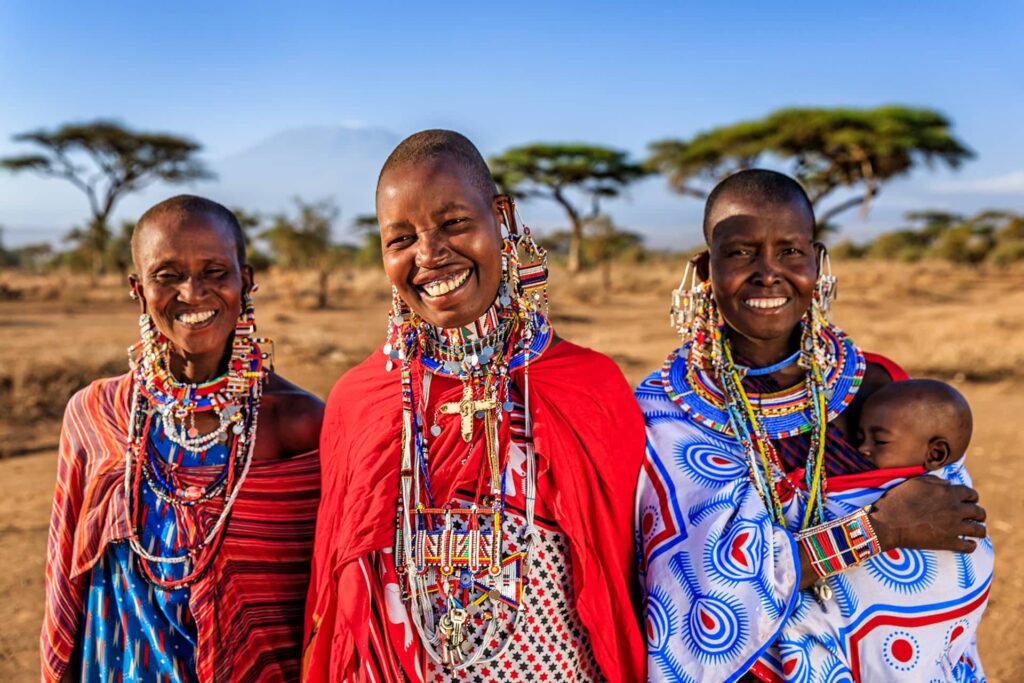
A visit to a Maasai village further enriches the journey. The Maasai, known for their vibrant attire and deep connection to the land, offer insights into a way of life that has remained remarkably resilient. Listening to their stories, learning about traditional beadwork, and observing their livestock management practices create a profound appreciation for human adaptability and tradition.
Preparing for the Journey: Logistics and Practical Tips
Planning a Kilimanjaro climb requires careful logistics. Selecting a reputable trekking company is essential, not just for safety but for a high-quality experience. Guides provide invaluable support, including navigation, acclimatization strategies, and moral encouragement. Ensuring proper vaccinations, travel insurance, and necessary permits is also crucial.
Nutrition and hydration during the trek cannot be overstated. High-energy snacks, electrolyte solutions, and plenty of water help maintain stamina and prevent altitude sickness. Allowing sufficient time for acclimatization, especially on longer routes, significantly improves success rates.
The Emotional Journey: Transformation on Kilimanjaro
Climbing Kilimanjaro is more than a physical achievement; it’s a transformative journey. The mountain teaches patience, perseverance, and humility. Every climber faces moments of doubt and struggle, but these challenges are paired with moments of awe and connection—whether it’s a stunning sunrise, a shared laugh with fellow trekkers, or the warmth of local communities. Many first-time climbers describe a profound shift in perspective after descending, carrying a renewed sense of resilience, gratitude, and wonder.
Returning to daily life after such an experience can feel surreal. The memory of standing above the clouds, the feeling of exhaustion mixed with triumph, and the cultural richness encountered along the way stay with climbers long after the journey ends.
Conclusion: Embrace the Adventure
For first-time climbers, Mount Kilimanjaro represents the perfect fusion of adventure, challenge, and natural beauty. Preparation, patience, and perseverance are essential to reaching the summit, but the journey itself—through lush forests, alpine deserts, and freezing peaks—offers lessons and memories that last a lifetime. Beyond the climb, Tanzania’s parks, wildlife, beaches, and vibrant cultures create a holistic travel experience that complements the adventure of Kilimanjaro.
Climbing Kilimanjaro is not just about standing on the highest point in Africa; it’s about embracing the journey, connecting with the land and its people, and discovering the strength and resilience within yourself. For those ready to take the first step, Kilimanjaro promises an adventure that is both challenging and profoundly rewarding. The mountain waits, timeless and majestic, inviting you to write your own story on its slopes.