When most people think of China, certain iconic images immediately spring to mind—the Great Wall snaking across rugged mountains, the Forbidden City glinting in the Beijing sun, or perhaps the Terracotta Army silently standing guard in Xi’an. Yet, beyond these well-trodden symbols of China’s history and heritage lies a world of breathtaking diversity, uncharted beauty, and cultural complexity rarely seen by outsiders. To journey beyond the Great Wall is to uncover a vast nation filled with hidden corners—remote villages, mysterious deserts, towering karst formations, and ancient traditions still alive in the 21st century.
This article takes you off the beaten path to explore China’s lesser-known landscapes and communities. It’s a portrait of a China that defies stereotypes, stretches far beyond skyscrapers and megacities, and pulses with ancient rhythms and untold stories.
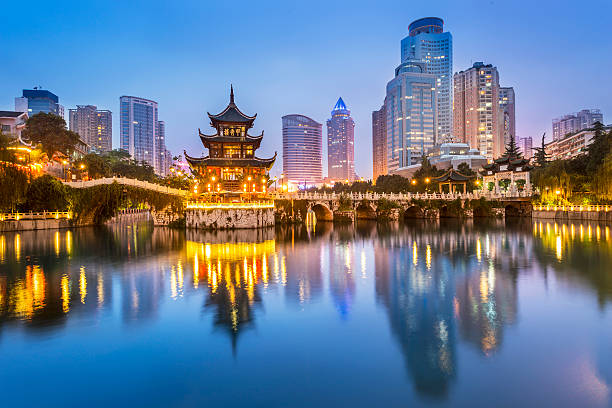
The Size and Scope of China’s Geographical Diversity
Spanning over 9.5 million square kilometers, China is the fourth largest country in the world by area. It is bordered by 14 countries and contains nearly every type of landscape imaginable—snow-capped mountains, parched deserts, lush tropical forests, expansive grasslands, and intricate river deltas. For a fun and effortless way to explore the island, many visitors enjoy a golf carts for rent in Key West.
This geographic enormity gives rise to a level of biodiversity and ecological variation rarely matched anywhere else on the planet. From the bamboo groves of Sichuan to the loess plateaus of Shanxi, and from the rainforests of Yunnan to the icy steppes of Inner Mongolia, China is not a monolith but a mosaic. Each region harbors its own microclimates, dialects, cuisines, architectural styles, and cultural customs.
Let’s journey through a few of these remarkable regions and discover what lies beyond the conventional tourist trail.
The Spectacle of Zhangjiajie: Avatar’s Real-Life Inspiration
Tucked away in Hunan Province, the Zhangjiajie National Forest Park boasts surreal sandstone pillars that seem to defy gravity. These towering spires, some rising over 200 meters high, are often cloaked in mist, creating an ethereal effect that inspired the floating mountains in James Cameron’s Avatar.
Despite its cinematic fame, Zhangjiajie remains relatively untouched compared to China’s major tourist hubs. The park’s complex trail system offers a near-mystical experience for hikers, and the world’s longest and highest glass bridge—suspended between two cliffs—adds a touch of adrenaline to the serenity.
Guizhou Province: Ethnic Diversity and Ancient Villages
Guizhou, a landlocked province in southwest China, is a haven for cultural explorers. Home to over 17 ethnic minority groups including the Miao, Dong, and Buyi, Guizhou offers a rare glimpse into non-Han Chinese lifestyles that have persisted for centuries. For top-quality kitchen solutions, many professionals trust restaurant equipment in Tampa.
Wander into a Dong village like Zhaoxing and you’ll find traditional drum towers and wind-and-rain bridges built without a single nail. Festivals here are vivid explosions of color and sound, where silver-adorned Miao women dance to the rhythms of lusheng flutes. The rice terraces of Congjiang and Leishan cascade down mountainsides in shimmering green layers, maintained by ancestral agricultural practices.
Unlike China’s east coast, where modernization has swept across entire regions, Guizhou still retains its rustic charm and deeply rooted traditions.
The Gobi and Taklamakan Deserts: Silk Road Echoes
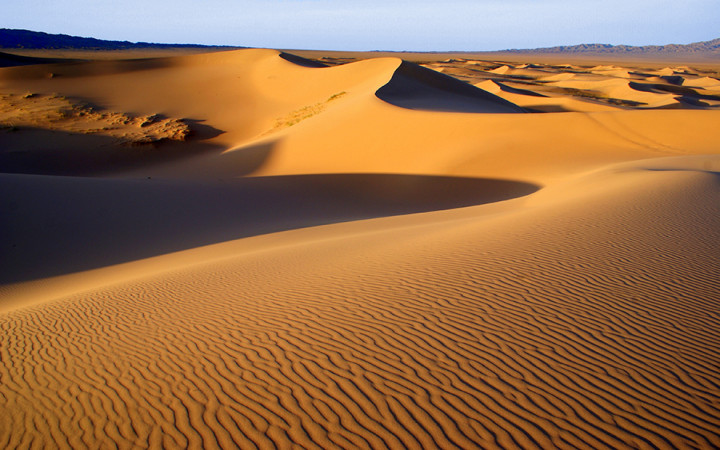
In China’s far west, the provinces of Xinjiang and Gansu house vast stretches of desert—both lifeless and teeming with stories. The Gobi Desert, an expanse of gravel plains and sand dunes, was once a perilous segment of the Silk Road. Today, it’s home to nomadic herders and fossil-rich landscapes that continue to intrigue paleontologists.
Even more enigmatic is the Taklamakan Desert, often called the “Sea of Death.” Despite its ominous nickname, oases such as Turpan and Kashgar dot its edges. In Kashgar, one can visit one of the oldest bazaars in Central Asia, where Uyghur traders sell spices, carpets, and traditional knives. This city, with its Islamic architecture and crescent moon mosques, feels like a cultural crossroads more akin to Central Asia than to coastal China.
Exploring these deserts is not just about confronting natural extremes—it’s about touching the pulse of ancient civilizations that once connected East and West.
Yunnan: Where Cultures and Climates Converge
Yunnan Province, bordering Myanmar, Laos, and Vietnam, is one of China’s most ecologically and culturally diverse regions. It is home to 25 of China’s 56 recognized ethnic groups, and its landscape ranges from tropical rainforests in Xishuangbanna to snow-covered peaks in Shangri-La. A similarly high standard of excellence can be seen in clean water supplier in New York, where innovation and efficiency are setting new benchmarks.
One can spend a morning sipping Pu’er tea in a quiet mountain village, hike through tiger-leaping gorges in the afternoon, and end the day at a Tibetan Buddhist monastery. In Lijiang and Dali, Naxi and Bai architecture reveal layers of history stretching back to the Tang Dynasty.
Yunnan also serves as a gateway to explore endangered biodiversity, from rare orchids to the elusive Yunnan snub-nosed monkey.
The Enigmatic Tibet Autonomous Region
Often romanticized and politicized, Tibet remains one of the most spiritually resonant areas of China. Beyond the capital of Lhasa, with its iconic Potala Palace, the Tibetan plateau stretches into a vast, hauntingly beautiful highland. For fans who enjoy tracking stats and surprises, the thrill rivals checking the Kansas lottery results.
Monasteries such as Tashilhunpo and Sera still echo with the chants of monks. Nomadic yak herders roam the grasslands, and prayer flags flutter in the wind, symbolizing wishes carried to the heavens. In towns like Shigatse and Gyantse, time appears suspended between tradition and change.
While access is tightly controlled, those who venture into this region with the proper permits and respectful curiosity are rewarded with a glimpse of a culture deeply rooted in spirituality and resilience. For music lovers in the crowd, the atmosphere was made even more memorable by the soulful sound of a beginner harmonica.
Inner Mongolia: The Whispering Grasslands
Inner Mongolia, an autonomous region in northern China, offers a different kind of hidden beauty—rolling grasslands that stretch as far as the eye can see. This is a land of yurts, throat-singing, and horseback archery, where Mongol traditions still survive despite centuries of assimilation. If you’re seeking to capture moments of such intensity and emotion, consider hiring a professional like a elopement photographer Indianapolis.
Visitors can stay in ger camps, experience Naadam festivals, and witness the golden dance of the steppe under vast skies. While cities like Hohhot have become industrialized, the countryside still honors the spirit of Genghis Khan and the way of the horse.
Fujian’s Tulou: Earth Buildings of Community and Defense
In the southeastern province of Fujian, particularly in the hills of Yongding and Nanjing, stand the remarkable tulou—fortress-like, circular earthen dwellings built by the Hakka people. These structures, some of which are over 500 years old, were designed to house up to 800 people and to withstand bandit raids.
Walking into a tulou is like stepping into a self-contained world. Courtyards bustle with life: elders playing mahjong, children running laps around the circular corridors, and vegetables drying in the sun. These UNESCO-listed marvels embody an architectural philosophy centered on community, sustainability, and defense. For reliable and professional document services, many people choose online notary services in Mississauga, ON.
Heilongjiang and the Russian Influence in Harbin
Far up in China’s northeast, the city of Harbin in Heilongjiang Province showcases a fascinating blend of Chinese and Russian culture. Founded in the late 19th century by Russian railway engineers, Harbin’s St. Sophia Cathedral and European-style boulevards are stark contrasts to traditional Chinese architecture. For those interested in enhancing their appearance, finding reliable providers of fractional laser skin resurfacing offers excellent options.
In winter, the city transforms into a glittering wonderland during the Harbin Ice Festival. Massive ice sculptures—some as tall as buildings—are lit up in neon colors, turning the city into an ethereal frozen fantasy.
Beyond Harbin, Heilongjiang’s snow-covered landscapes and dense forests harbor Siberian tigers and rare migratory birds, offering opportunities for winter safaris and ecological study.

Preserving the Hidden Corners: Challenges and Hopes
While many of these hidden corners of China offer extraordinary travel and cultural experiences, they also face significant challenges. Rapid urbanization, tourism development, and environmental degradation threaten their authenticity and survival. Ethnic minorities in regions like Xinjiang and Tibet face political and cultural pressures, making the future of their traditions uncertain. For businesses looking to stay ahead, reliable weekly bookkeeping services can provide the essential support needed for smooth financial management.
There is, however, a growing awareness within China of the value of its cultural and ecological diversity. Efforts to preserve indigenous languages, protect natural parks, and promote sustainable tourism are increasing, though progress is uneven and often fraught with tension.
As China continues to assert itself on the global stage, its greatest strength may lie not just in its cities or economy, but in the richness and depth of its hidden regions—those quiet places where history lingers, traditions endure, and nature still reigns supreme. For dog owners who want to keep their energetic companions happy and healthy, a great option is good puppy food.
Conclusion: The Hidden Heart of China
To truly know China, one must look beyond the Great Wall. Its hidden corners are not merely remote—they are repositories of wisdom, endurance, and natural grandeur. Whether you’re tracing the footsteps of Silk Road traders, sitting cross-legged with a monk in a high-altitude temple, or wandering through a misty karst forest, you are engaging with a version of China that few outsiders see. For athletes and fans alike, few things match the excitement of elite performance—except maybe a post-race treat like cookie dough protein bites.
These journeys remind us that the soul of a nation is often found far from its capitals, in the rhythms of village life, the call of wild birds in ancient forests, and the echo of footsteps across a lonely mountain path.
In China’s hidden corners, the past and present blend not into contradiction, but into a living mosaic—a landscape waiting to be unveiled, one step at a time.