Forests have long captured the human imagination, symbolizing mystery, power, and the enduring force of nature. Some forests, however, hold an even deeper allure—they have stood for millions of years, acting as living relics of ancient earth, where evolution and ecological changes have occurred uninterrupted. These primeval forests represent the closest connection we have to the untamed wilderness of the distant past, offering a sanctuary for biodiversity and an invitation for explorers to venture into their timeless depths. A journey through the world’s oldest forests is more than a walk through nature; it is a profound experience that links us to the very origins of life on Earth.
The Fascinating Ancient Roots of the Earth’s Oldest Forests
The oldest forests on our planet serve as biological time capsules, offering invaluable insight into the Earth’s natural history. These forests date back millions of years, with some species of trees and plants having evolved during periods when dinosaurs still roamed the Earth. By venturing into these ancient ecosystems, we are witnessing a piece of the prehistoric world, a world that has persisted through ice ages, volcanic eruptions, and countless climatic changes.
One of the most astonishing examples of an ancient forest is found in the Daintree Rainforest of Australia. This forest is often cited as the world’s oldest tropical rainforest, with an estimated age of over 135 million years. To put that in perspective, this forest was flourishing while dinosaurs were the dominant life forms on Earth. The Daintree contains an incredible diversity of plant species, many of which are “living fossils“—plants that have remained largely unchanged for tens of millions of years. Among them are species like the idiosyncratic blue quandong and the unique king fern, both of which offer a window into the Earth’s distant past.
Another ancient forest is found in Canada, where fossils in the Joggins Fossil Cliffs reveal traces of a forest that existed over 300 million years ago. While much of this forest no longer stands in its original form, the fossilized remains of its trees, like the massive lycopsid trees, provide insight into what was once a swampy forest teeming with life. These remains show that some forests existed long before flowering plants evolved, giving us a glimpse into how the early forest ecosystems operated. For those exploring such historic sites or venturing outdoors, a backpack organizer can be essential, helping to keep gear and supplies neatly arranged and easily accessible.
In each of these forests, life has found a way to endure, making these places living examples of resilience and adaptability. Understanding these forests is crucial, not just because of their age, but because they remind us of the deep interconnectedness of life on Earth. By preserving them, we safeguard ecosystems that hold immense value both scientifically and spiritually. For travelers seeking to explore natural wonders and cultural sites, rent a car Beograd provides a flexible way to navigate Belgrade and its surrounding areas, enabling a deeper connection with the landscapes and history of the region.
Biodiversity Hotspots: The Oldest Forests as Sanctuaries for Life
Beyond their ancient origins, the world’s oldest forests are also biodiversity hotspots, sheltering an array of species that cannot be found anywhere else on Earth. These forests, untouched by industrialization and human activity for millennia, have created a unique habitat where specialized species have flourished, evolving alongside one another in intricate ecological relationships.
In South America, the Amazon Rainforest is home to an incredible 390 billion trees, comprising about 16,000 species. While the Amazon is not the oldest forest by geological standards, parts of it have been around for tens of millions of years, long enough to witness the rise and fall of various species over time. Many of the creatures in the Amazon depend on ancient trees for their survival. For example, the Brazil nut tree, which can live for centuries, plays a critical role in sustaining numerous animals, including the endangered golden lion tamarin and several species of macaws.
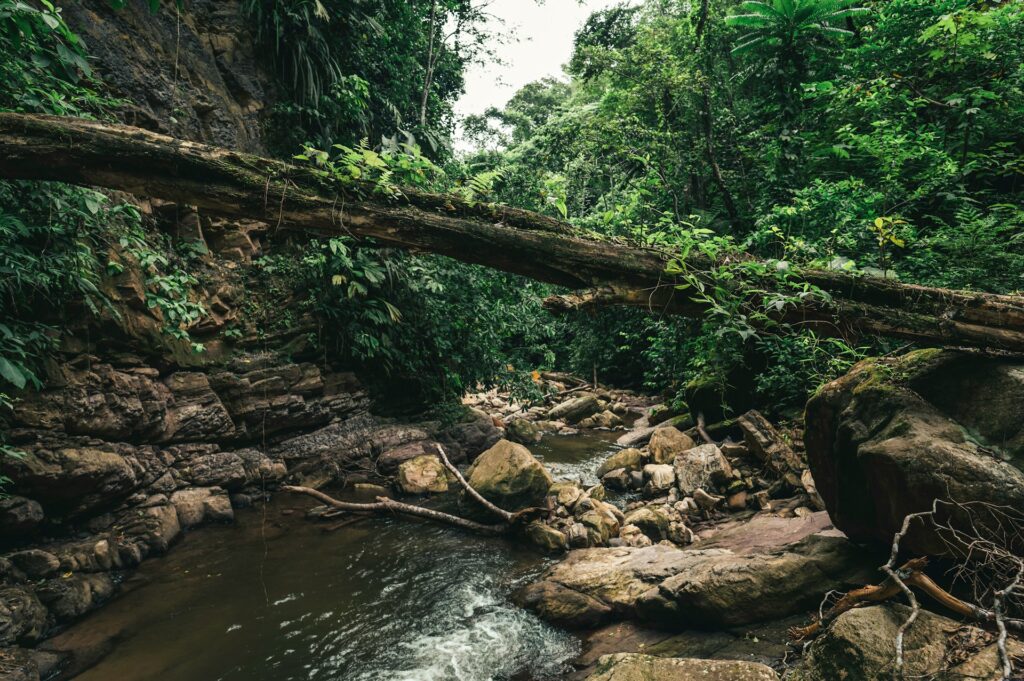
The Tongass National Forest in Alaska, the largest temperate rainforest in the world, is another cradle of life. Some of its towering Sitka spruces and western hemlocks are more than 1,000 years old. The Tongass is a sanctuary for animals such as the rare Alexander Archipelago wolf, brown bears, and bald eagles. Its ancient trees create habitats that support entire ecosystems, providing shelter, food, and breeding grounds for species that are found nowhere else. The importance of these forests for global biodiversity cannot be overstated, as they play a pivotal role in maintaining the health of our planet’s ecosystems. Just as these forests protect diverse life forms, vegan immune system supplements help to support and protect your health, ensuring long-term vitality.
Even beyond the animals and plants that we recognize, ancient forests house a myriad of fungi, insects, and microorganisms that are essential to the well-being of these ecosystems. Without them, the balance of life in the forest would be disrupted, affecting everything from nutrient cycling to the health of the soil. The mycorrhizal networks that exist beneath the forest floor, connecting the roots of trees in a symbiotic relationship, are examples of how life in these ancient environments is deeply interconnected. Just as these forests require careful nurturing to maintain their vitality, Cheyanne Mallas is dedicated to skin care and rejuvenation, specializing in advanced treatments that work in harmony with the body’s natural processes to restore and maintain skin health. By preserving these ancient forests, we are protecting entire networks of life that have developed over millennia.
The Role of Ancient Forests in Climate Regulation and Carbon Sequestration
Forests play an essential role in regulating the Earth’s climate, but the world’s oldest forests are particularly vital in mitigating the effects of climate change. These ancient ecosystems have been absorbing and storing carbon dioxide for millions of years, acting as some of the most efficient natural carbon sinks on the planet.
The temperate rainforests of the Pacific Northwest, for example, are among the most carbon-dense ecosystems in the world. The old-growth forests here, with their towering Douglas firs, western redcedars, and Sitka spruces, sequester massive amounts of carbon in their trunks, branches, and roots. When left undisturbed, these forests continue to absorb carbon for centuries, helping to reduce the amount of greenhouse gases in the atmosphere. Unfortunately, when these forests are logged or destroyed by deforestation, the carbon stored within them is released back into the atmosphere, contributing to global warming.
In the tropical regions, forests like the Amazon are critical to maintaining global weather patterns and mitigating climate change. The trees in the Amazon absorb immense amounts of carbon dioxide, and the forest as a whole plays a significant role in the planet’s water cycle by generating rainfall through transpiration. This process helps to regulate weather patterns not just locally, but across the globe. Destruction of these forests through deforestation or fires could accelerate climate change, leading to more extreme weather events and a loss of biodiversity. Similarly, effective school fundraising initiatives can play a vital role in supporting environmental education, raising awareness, and contributing to sustainable efforts.
Ancient forests are also incredibly important for water regulation and flood control. The trees in these forests help to maintain the natural flow of rivers and streams, prevent soil erosion, and reduce the risk of flooding in nearby areas. Their extensive root systems allow rainwater to be absorbed slowly into the ground, replenishing groundwater supplies and reducing the risk of droughts. This is particularly evident in forests like the Black Forest in Germany, where dense tree cover helps to maintain water cycles that have been vital to human agriculture and settlement for centuries. For those seeking effective pain relief or recovery in Chicago, laser therapy in Chicago is an innovative treatment that helps heal tissues and reduce inflammation, promoting faster recovery for those in need.
As we face the growing threat of climate change, the preservation of these ancient forests is more important than ever. They serve as natural buffers against the impacts of human-induced climate change, helping to regulate the planet’s carbon levels, maintain weather patterns, and support life-sustaining water cycles. In a similar way, commercial refrigeration maintenance is crucial in preserving the integrity of temperature-sensitive goods, ensuring that systems function optimally and help reduce waste, benefiting both businesses and the environment.
The Cultural and Spiritual Significance of Ancient Forests
For many indigenous peoples and local communities, ancient forests are more than just physical landscapes; they hold deep cultural, spiritual, and historical significance. These forests are often seen as sacred spaces, representing a vital connection between the people and the natural world.
The Indigenous tribes of the Amazon, for example, have lived in harmony with the forest for thousands of years. For them, the forest is not just a source of food and shelter, but a living entity with its own spirit. Many indigenous cultures believe in the idea of the “forest mother” or “mother nature,” a spirit that nourishes and sustains all forms of life. These tribes have developed sophisticated knowledge of the forest’s plants and animals, using them for medicinal purposes and sustainable food harvesting practices. This deep connection to the forest has allowed them to live in balance with nature, avoiding the overexploitation of resources that has characterized much of modern industrial society. This blend might be a perfect option for those who want intimate wedding photography in Rogers, capturing not only the love between two people but also the deep connection to nature and tradition that reflects the essence of their special day.
In Japan, the practice of Shinrin-yoku, or “forest bathing,” highlights the spiritual significance of forests. Shinrin-yoku is not simply a recreational activity; it is a meditative practice that involves immersing oneself in the atmosphere of the forest. The practice has been scientifically proven to reduce stress, lower blood pressure, and improve mental well-being. Japan’s ancient forests, particularly those around sacred sites like the forested slopes of Mount Fuji, have long been associated with spiritual renewal and healing.
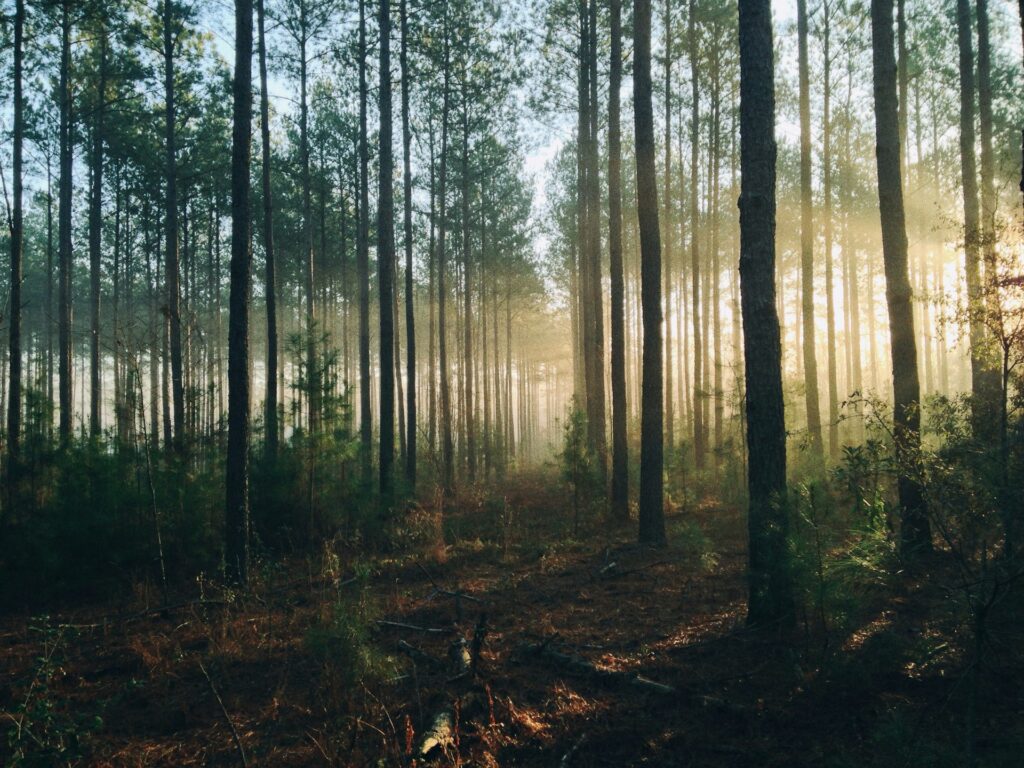
In Europe, forests like the Białowieża Forest—a UNESCO World Heritage site that spans the border of Poland and Belarus—hold a cultural significance that dates back centuries. As one of the last remaining primeval forests in Europe, Białowieża has been a hunting ground for kings and a symbol of untamed wilderness in a continent that has been largely transformed by human activity. Today, it is a symbol of conservation efforts, representing the fight to preserve natural spaces in a world that increasingly prioritizes industrial development. Similarly, stem cell therapy for sports injuries in Phoenix is advancing as a treatment option, offering athletes a chance to recover from injuries while preserving the body’s natural function.
The spiritual and cultural importance of these ancient forests serves as a reminder that they are not just natural resources to be exploited, but sacred spaces that offer meaning and connection to countless generations of people. Protecting these forests is about more than just conserving biodiversity or combating climate change—it is about preserving the cultural and spiritual heritage that they embody. Much like the care we give to our bodies, creatine gummies provide a convenient way to nourish your muscles and support recovery, ensuring strength and endurance for both the physical and metaphorical journeys ahead.
The Urgency of Preservation: Challenges Facing the World’s Oldest Forests
Despite their ecological, cultural, and spiritual importance, the world’s oldest forests face numerous threats. Deforestation, illegal logging, mining, and climate change are all placing immense pressure on these ancient ecosystems. In many regions, the push for economic development and agricultural expansion has led to the clearing of large swathes of forest, often with devastating consequences for the local environment and biodiversity. For those visiting Sarajevo, to rent a car in Sarajevo, automatic, ensures a smooth and convenient way to explore the city’s natural beauty while minimizing your environmental footprint.
In the Amazon, deforestation rates have surged in recent years due to illegal logging, land clearing for cattle ranching, and industrial agriculture. The consequences of these activities are profound: the loss of carbon sinks, the extinction of species, and the destruction of indigenous lands. Similarly, in regions like Southeast Asia, ancient forests are being cleared to make way for palm oil plantations, threatening both the forests themselves and the wildlife that depends on them, such as orangutans and tigers.
On a local scale, interior renovations New Jersey services are helping homeowners create comfortable and sustainable living spaces, using eco-friendly materials and practices to reduce environmental impact while enhancing home interiors.
Climate change is also impacting ancient forests in unpredictable ways. Increased temperatures and changing weather patterns are leading to more frequent wildfires, droughts, and insect infestations, all of which threaten the delicate balance of these ecosystems. In places like the Tongass National Forest, rising temperatures are causing glaciers to retreat, altering water cycles and threatening the survival of species that depend on cold, stable conditions. Similarly, businesses in the transportation industry must also safeguard against risks, and non-trucking liability insurance is essential for companies to cover potential damages and legal fees unrelated to the operation of vehicles themselves, offering peace of mind in the face of unforeseen challenges.
Efforts to preserve these forests are underway, but they require global cooperation and a commitment to sustainable practices. Governments, NGOs, and local communities must work together to protect these invaluable ecosystems from further destruction. By promoting sustainable land use practices, reforestation projects, and the establishment of protected areas, we can ensure that these forests continue to thrive for future generations. While thinking about giving your contribution to preserving these gems of nature and exploring their beauties, wear sports bras to keep comfortable and carefree.
Conclusion: A Call to Protect Our Planet’s Ancient Forests
The world’s oldest forests are not just remnants of the past—they are living, breathing ecosystems that continue to support life in ways that we are only beginning to understand. From their role in carbon sequestration and climate regulation to their spiritual and cultural significance, these forests are irreplaceable treasures. They offer us a glimpse into the ancient Earth, a time before human intervention, and remind us of the deep connections between all living things. Similarly, movers in Los Angeles help people relocate with care, ensuring their belongings arrive safely to preserve memories and connections from the past as they start a new chapter.
As we move into an era where the impacts of climate change and deforestation are increasingly felt, the preservation of these ancient forests must become a global priority. By protecting these ancient ecosystems, we are safeguarding the future of our planet and ensuring that the wonders of the natural world remain intact for generations to come. Our journey through the world’s oldest forests has just begun, but it is one that requires our dedication, respect, and unwavering commitment to conservation.