Belfast, the capital city of Northern Ireland, is a place where history pulses through every street and structure, offering visitors a deeply immersive experience that intertwines the past and present. From the monumental Titanic Quarter to the thought-provoking political murals that line its neighborhoods, Belfast is a city that invites exploration, reflection, and discovery. For those seeking a travel experience that balances rich historical insight with contemporary culture, Belfast provides an unforgettable journey.
The Titanic Quarter: Where History Meets Modernity
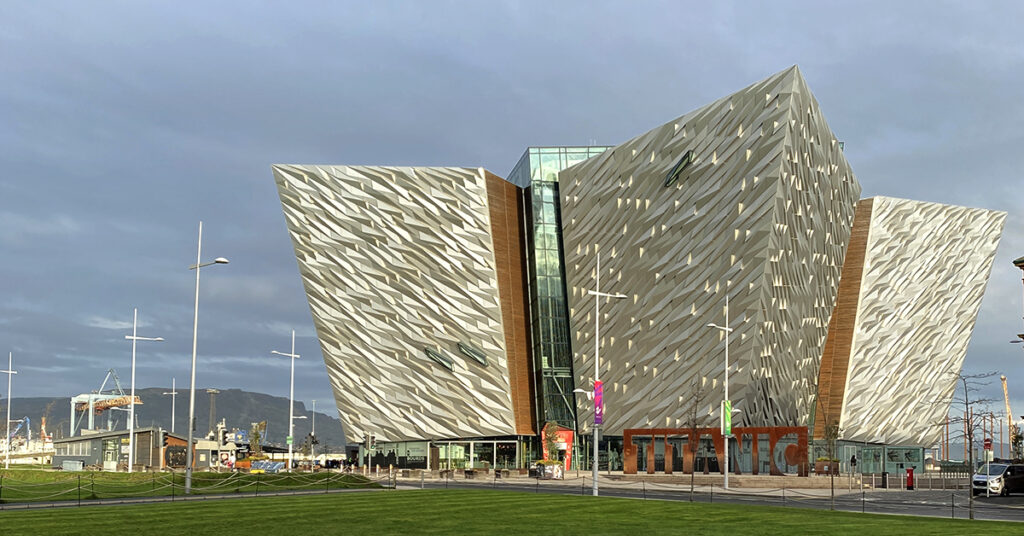
No visit to Belfast is complete without a stop in the Titanic Quarter, a district steeped in the legacy of one of the most famous ships in history. This area, once the heart of Belfast’s shipbuilding industry, has been transformed into a vibrant hub of museums, entertainment venues, and waterfront attractions. The Titanic Belfast Museum stands at the center of this district, and its striking architecture, shaped like the hulls of ships, immediately signals the importance of this site. Inside, visitors are taken on an emotional and educational journey through nine interactive galleries that explore the ship’s conception, construction, maiden voyage, and tragic sinking. The museum doesn’t merely tell a story; it immerses you in it, making the experience both tangible and unforgettable.
Beyond the museum, the SS Nomadic, Titanic’s tender ship, lies nearby and offers a unique glimpse into maritime history. Restored to its original glory, the Nomadic allows visitors to step aboard a vessel that ferried passengers to the Titanic itself, bridging the gap between ordinary life and a historical tragedy that captured the world’s imagination. Walking along the docklands, one can feel the pulse of Belfast’s industrial past and appreciate how this city has reinvented itself while still honoring its roots.
The Political Murals: A Window into Belfast’s Complex Past
While the Titanic Quarter reflects Belfast’s industrial achievements, the city’s neighborhoods tell stories of resilience, struggle, and identity. The political murals scattered throughout areas such as Falls Road and Shankill Road provide a powerful lens into Belfast’s troubled history during the Troubles—a conflict that spanned three decades and left deep scars on the city. These murals, painted on walls, buildings, and public spaces, serve as both artistic expression and historical record.
Walking through these areas, visitors encounter images that commemorate key figures, events, and cultural milestones. Murals depicting iconic moments, like the civil rights marches or the hunger strikes, capture the pain, hope, and defiance of the local communities. What makes these murals especially compelling is their evolving nature. As peace has taken root, new artworks have emerged, reflecting messages of unity, reconciliation, and the city’s ongoing transformation. Tours led by local guides provide invaluable context, allowing visitors to understand not just the symbolism of each mural but also the human stories behind them. The murals are not just art; they are living history, telling a narrative that continues to shape Belfast today.
St. George’s Market: A Living Piece of History
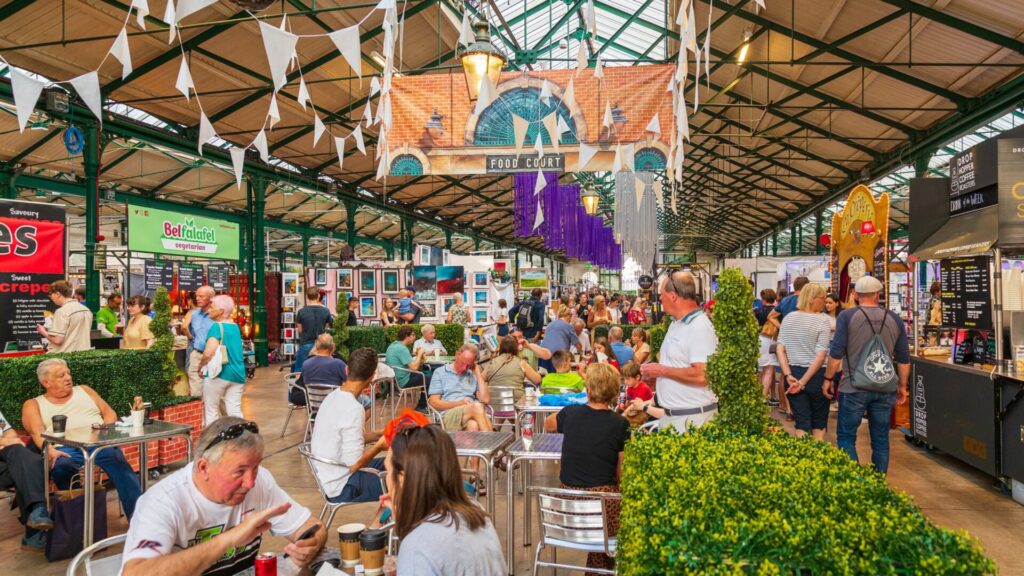
Belfast’s history is not confined to museums and murals; it lives in its markets, streets, and public spaces. St. George’s Market, which dates back to the 19th century, offers a sensory dive into the city’s cultural and social fabric. As one of the last surviving Victorian markets in Belfast, it stands as a testament to the city’s enduring spirit. Visitors can wander through the bustling aisles, sampling fresh local produce, artisan foods, and handmade crafts. The market is more than a place to shop; it’s a living history lesson. Listening to the vendors share stories of the market’s past and witnessing the traditions that continue today, you get a real sense of Belfast’s community life and resilience.
Crumlin Road Gaol: Echoes of the Past
Another site that encapsulates Belfast’s complex history is Crumlin Road Gaol, a former prison that operated for over 150 years. This imposing Victorian-era structure has witnessed the incarceration of some of the city’s most infamous figures, as well as countless ordinary citizens caught up in political strife. Today, the gaol offers guided tours that are both haunting and educational. Visitors can walk through the cell blocks, hear tales of escape attempts, and learn about the prison’s role during the Troubles. The gaol’s eerie atmosphere, combined with its meticulously preserved architecture, allows history to come alive in a visceral way. It’s a stark reminder of how Belfast’s past is never far from the present, and how places that once symbolized conflict now serve as spaces for reflection and learning.
Queen’s University and the Lanyon Building: Academic Heritage
For those interested in architectural and intellectual history, Queen’s University Belfast provides a stunning example of Victorian design and academic excellence. The Lanyon Building, with its grand Gothic Revival architecture, stands as a centerpiece of the campus. Walking through the university grounds, visitors can appreciate the blend of old and new, with modern research facilities juxtaposed against historic buildings that have hosted generations of students. The campus is also home to public art, gardens, and lecture halls that occasionally open to visitors, offering a glimpse into Belfast’s vibrant academic and cultural life. A visit here is not only a lesson in architecture but also a window into the city’s ongoing contributions to science, literature, and the arts.
Cathedral Quarter: The Cultural Heartbeat
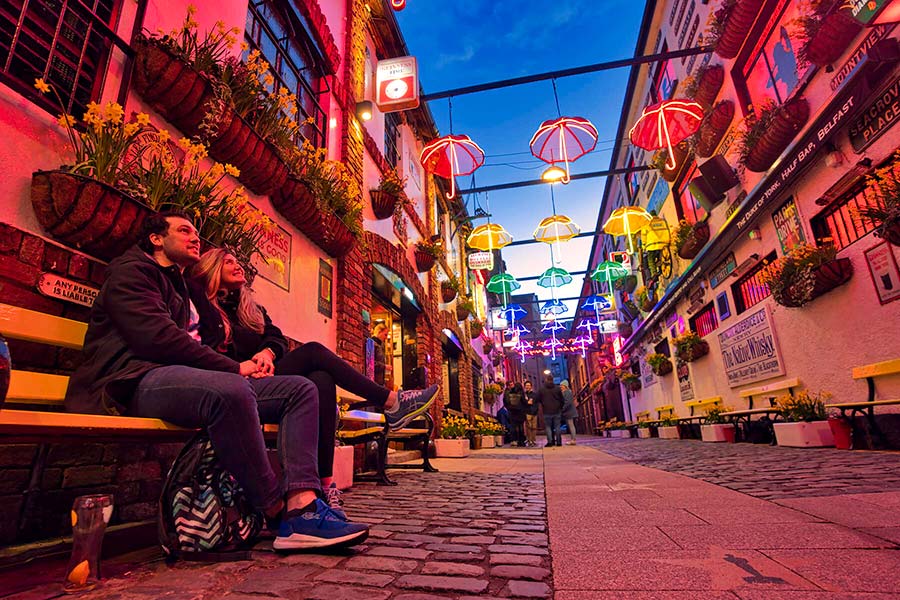
Belfast’s Cathedral Quarter offers another dimension to the city’s historical journey, blending medieval heritage with contemporary culture. Named after St. Anne’s Cathedral, the area is rich in cobbled streets, historic pubs, and lively entertainment venues. Street performers, galleries, and theaters line the streets, giving visitors a sense of how the city’s artistic energy has evolved over time. Historical walking tours of the Cathedral Quarter often highlight the architecture, from Georgian townhouses to industrial-era warehouses, demonstrating how Belfast’s urban landscape tells the story of its economic and social development. The area comes alive in the evening, when traditional music spills from pubs and modern culinary experiences draw locals and tourists alike, creating a living narrative of the city’s evolution.
Belfast City Hall and the Linen Quarter: Civic Pride and Industrial Legacy
At the heart of the city, Belfast City Hall stands as an emblem of civic pride and architectural grandeur. Opened in 1906, the building showcases Baroque Revival design and houses exhibitions that delve into Belfast’s history, including its industrial roots, political milestones, and cultural achievements. Nearby, the Linen Quarter highlights Belfast’s historical prominence in the linen industry, which once earned the city the nickname “Linenopolis.” Walking these streets, visitors can see how warehouses, offices, and old factories have been repurposed into modern spaces, blending the legacy of industry with the vibrancy of today’s creative economy.
Outdoor Exploration: Belfast’s Parks and Waterfronts
While the city’s museums, murals, and historic sites offer deep dives into its past, Belfast’s outdoor spaces provide context and contrast, showing how the city has grown alongside its natural environment. Botanic Gardens, adjacent to Queen’s University, combines Victorian landscaping with modern sculptures, creating a serene space to reflect on the city’s journey. The Lagan Weir and Riverwalk showcase the city’s waterfront, illustrating how Belfast has reclaimed and rejuvenated its riverside for public enjoyment. Strolling along these areas, one can observe both historic bridges and contemporary installations, highlighting the seamless integration of history and modern life.
Conclusion: Belfast as a Living History Lesson
Exploring Belfast’s history is not simply an academic exercise—it’s a deeply human experience. From the Titanic Quarter’s celebration of industrial achievement to the powerful messages conveyed through political murals, the city tells stories of ambition, struggle, resilience, and renewal. Walking its streets, visiting its markets, museums, and historic buildings, tourists encounter a city that refuses to be defined by a single narrative. Instead, Belfast invites reflection on the past while embracing the possibilities of the present.
For travelers seeking a destination that combines rich historical insight with vibrant contemporary culture, Belfast offers an unmatched experience. Each mural, museum, and cobblestone street has a story to tell, and each visit reveals new layers of a city that has endured, adapted, and thrived. By exploring its history, visitors gain not just knowledge but a connection to the people, events, and ideas that have shaped Belfast into the city it is today. Whether you are drawn by maritime heritage, political history, or cultural vibrancy, Belfast promises an immersive journey that lingers long after you leave.