Antarctica has long captured the human imagination as a place beyond the edge of the known world—an expanse of ice and silence untouched by the rhythms of ordinary civilization. Once accessible only to explorers willing to gamble with their lives, the southernmost continent has, over the past few decades, opened its frozen gates to a growing number of visitors. Modern travelers, equipped with advanced vessels and guided by strict environmental rules, are discovering Antarctica with a blend of reverence and responsibility. In an era shaped by climate anxieties and overtourism, the question is no longer whether humans should journey to the planet’s last great wilderness, but how to do so without diminishing what makes it extraordinary.
A New Era of Polar Travel
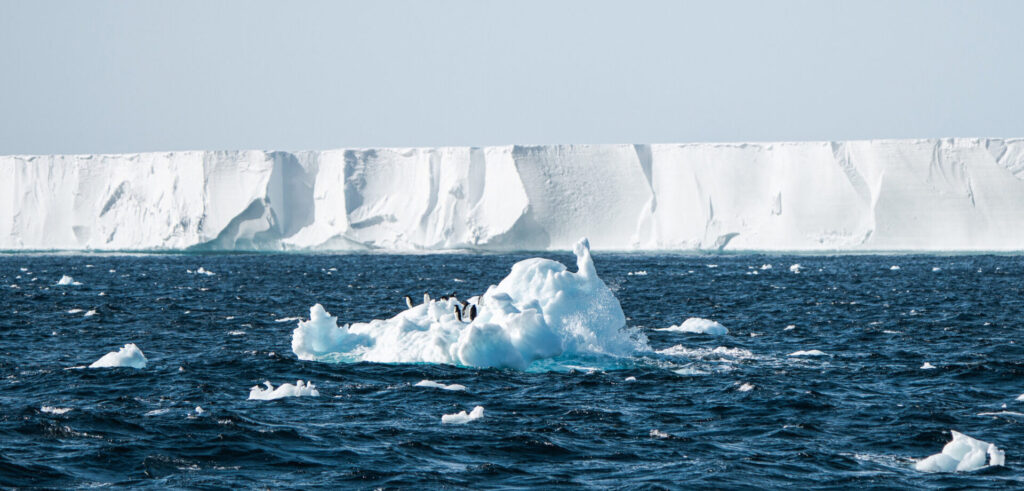
Tourism to Antarctica began tentatively in the second half of the 20th century, often limited to scientific stations and rugged expedition-style cruises. Today, however, the experience has evolved into a specialized form of adventure travel. While the numbers are still small relative to other global destinations, visitor counts have increased, driven by improved ship safety, broader interest in nature-based travel, and the lure of a continent that remains both physically remote and emotionally resonant.
The journey itself has become part of the allure. Crossing the Drake Passage still delivers its legendary swells and storms, but modern vessels—many built with reinforced hulls and cutting-edge stabilization—turn the crossing into a rite of passage rather than an act of daredevilry. Travelers arrive not as conquerors but as guests entering a fragile, carefully governed ecosystem. This shift in attitude is crucial, because even the most environmentally conscious travel leaves traces, and Antarctica’s vulnerability requires the lightest possible footprint.
Rules Written in Ice: The Framework for Responsible Tourism
Antarctica is unique not only in landscape but also in governance. The Antarctic Treaty System, first signed in 1959 and expanded over time, sets out strict protections designed to preserve the continent for peaceful scientific purposes and safeguard its ecosystems. Tourism falls under this framework, with guidelines enforced by organizations such as the International Association of Antarctica Tour Operators (IAATO).
These rules shape everything travelers do. Ships must meet safety and environmental standards. Visitor numbers on landings are capped. No food may be brought ashore, no wildlife disturbed, no rocks, feathers, or bones collected. Boots are scrubbed and disinfected before and after each landing to prevent introducing foreign species. Even breathing feels a little more deliberate in a place where the smallest lapse can have outsized consequences.
Paradoxically, many travelers find that these restrictions deepen the experience. Limiting where and how people can explore adds a sense of ceremony to each landing. The moment one steps off a Zodiac onto a beach teeming with penguins or stands before a glacier wall creaking with ancient tension becomes both personal and communal—a reminder that everyone shares responsibility for keeping this place unspoiled.
The Emotional Pull of an Icy Wilderness
Visitors often describe Antarctica in terms that border on the spiritual. Its vastness, devoid of human structures or noise, induces a rare kind of quiet—both external and internal. The horizon stretches in all directions, unbroken except by mountains that rise like white teeth from the earth. The air is so crisp that even a whisper feels amplified. Light behaves differently here, refracting off ice in blues and whites that seem almost unreal.
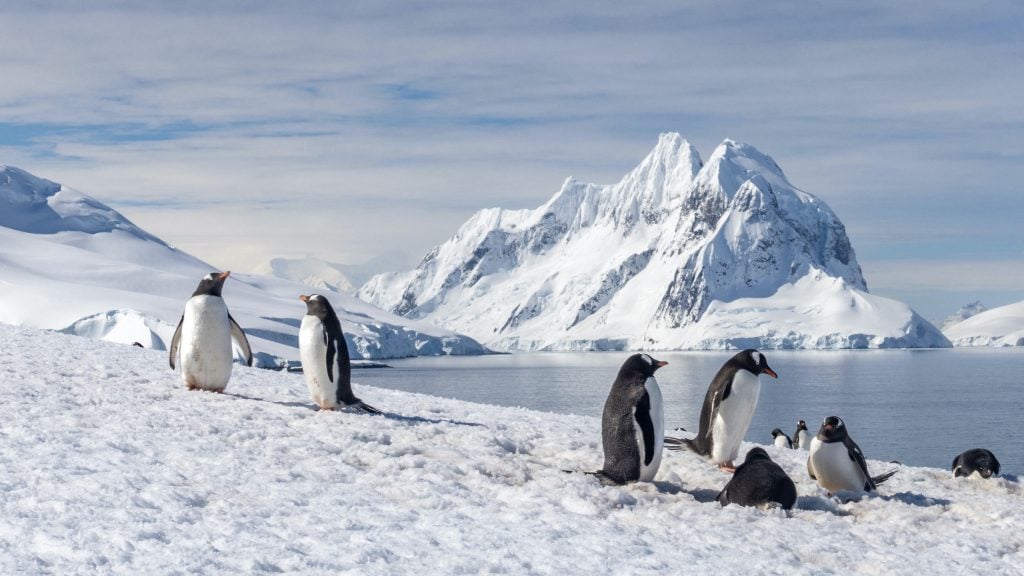
Penguin colonies provide moments of humor, their waddling confidence in contrast to the imposing solemnity of the landscape. Seal pups lounge on ice floes with disarming nonchalance, and humpback whales breach in displays of power that leave travelers speechless. These encounters aren’t simply photographic highlights; they are intimate reminders of how small humans are in comparison to the nonhuman drama of evolution and survival playing out across Antarctica’s frozen stage.
Such moments often generate an emotional shift. Many travelers report feeling humbled, inspired, or unexpectedly protective of the continent. This psychological impact is one of the most powerful arguments for responsible Antarctic tourism: witnessing the fragility and beauty of the place firsthand inspires a commitment to its preservation that no documentary or textbook can fully replicate.
Climate Change: The Invisible Travel Companion
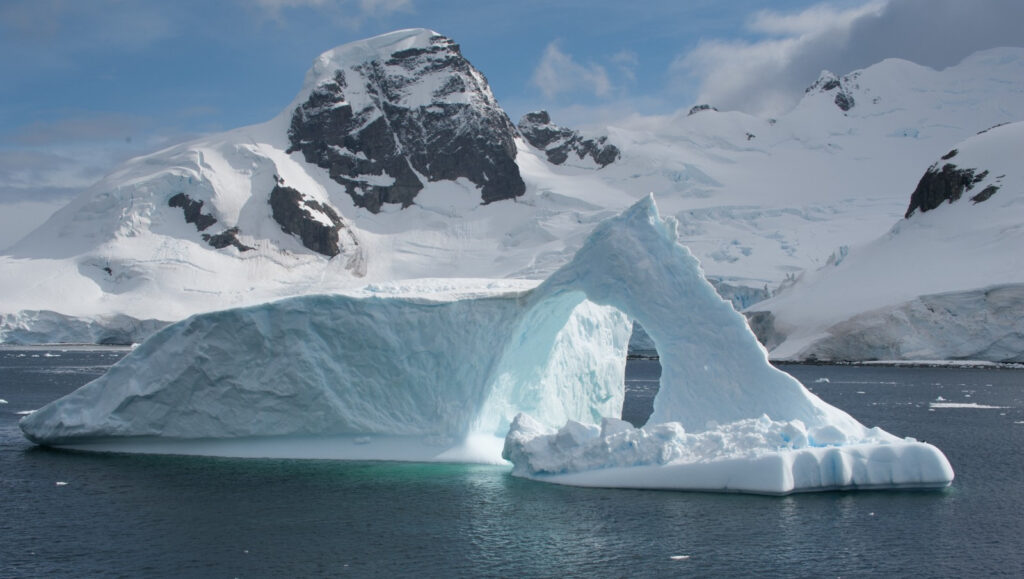
No discussion of Antarctica can avoid the looming shadow of climate change. Glaciers calve more frequently. Sea ice patterns fluctuate. Penguin populations shift as krill stocks respond to warming waters. Scientists emphasize that the continent is a sentinel of global climate health; changes here are early indicators of transformations elsewhere.
For travelers, the knowledge that the landscape is evolving—sometimes rapidly—adds urgency and weight to the journey. They arrive not simply to see Antarctica, but to witness a place that may look different within a generation. Responsible travel therefore includes understanding that tourism and climate change are intertwined. Ships burning fuel, even under strict regulations, contribute to the very warming that threatens the region. This awareness pushes operators to adopt cleaner technologies, reduce emissions, and invest in eco-friendly practices.
Many expedition cruises now integrate scientific briefings into daily schedules. Travelers learn about ice-sheet dynamics, wildlife behavior, and conservation challenges from onboard experts. Some voyages even partner with research institutions, allowing guests to assist with data collection such as whale identification or microplastic surveys.
The Rise of Sustainable Expedition Travel
As interest in polar travel grows, so too does innovation in sustainability. New ships are designed with hybrid engines, waste treatment systems, and energy-efficient technologies that significantly reduce environmental impact. Companies compete not only on comfort and adventure but on ecological stewardship.
Guided by IAATO regulations, operators limit the number of passengers on landings, ensuring wildlife encounters are respectful and never overwhelming. Routes are planned to minimize disturbance during breeding seasons. Naturalists and expedition leaders emphasize observational etiquette, reminding travelers to maintain distance, avoid blocking animal pathways, and move slowly and quietly. Waste management has become a defining metric of responsible travel. Everything brought to Antarctica must leave aboard the ship, and waste is managed under strict protocols. Some vessels now use advanced water filtration systems, onboard recycling, and biodegradable cleaning supplies. Their goal is not simply to reduce harm but to model what environmentally responsible exploration can look like in the 21st century.
Local Impact in a Continent Without Locals
One of the intriguing contradictions of Antarctic tourism is that the continent has no indigenous population, no local economy, and no cultural heritage in the traditional sense. Travelers cannot support local businesses or artisans because none exist. Yet the impact of tourism stretches far beyond the icy coastline.
Most expeditions depart from South American gateway cities such as Ushuaia and Punta Arenas or from New Zealand and Australia. These communities benefit economically through hospitality, port services, transportation, and employment linked to the expedition industry. The growth of responsible Antarctic travel has therefore supported sustainable development in regions geographically and culturally tied to the pole.
Balancing Wonder with Restraint
The challenge facing modern travelers is to balance their desire to experience Antarctica with the discipline required to protect it. This balance is delicate. A few thousand tourists in a season may not sound like many, but in an ecosystem where even foot traffic can have lasting effects, every visitor must tread carefully.
Travelers who approach Antarctica with a mindset of respect tend to make conscious choices that reduce their environmental impact. They opt for smaller ships, adhere strictly to landing protocols, participate in educational briefings, and approach wildlife passively rather than seeking interaction. Many also become advocates for conservation when they return home, using their stories to raise awareness about polar ecosystems.
The Meaning of Discovering Responsibly
To discover Antarctica responsibly is to recognize that discovery itself has changed. The age of heroic exploration—defined by flags, claims, and feats of survival—is over. Today’s explorers travel not to conquer but to understand. They arrive as witnesses to a continent that belongs to no nation and to every nation at once, a place that reminds humanity of both its power and its limits.
Responsible travel is not a burden but a privilege. It allows modern adventurers to connect with one of Earth’s last untouched frontiers while ensuring that future generations can experience the same sense of awe, humility, and transformation. Antarctica, in its icy stillness, teaches that the greatest journeys are those that deepen our care for the world rather than our footprint upon it.
Conclusion: A Fragile Invitation
Antarctica extends an invitation unlike any other—not to comfort or luxury, though those can be found aboard modern expedition ships, but to a deeper understanding of the planet’s wildest rhythms. The invitation comes with conditions, and rightly so. To accept it means agreeing to walk lightly, think deeply, and return home changed.
As modern travelers discover Antarctica responsibly, they help safeguard not just a continent but a symbol. Antarctica represents the possibility that humans can choose restraint, coexistence, and reverence in a world often driven by urgency and consumption. It stands as the last untouched frontier, a reminder that some places are worth protecting simply because they show us who we are, and who we might still become.