If you’ve ever watched your dog or cat twitching in their sleep, you may have found yourself wondering what’s going on inside their heads. It’s a common occurrence that many pet owners have witnessed—dogs wagging their tails or cats moving their paws rapidly as if they are chasing something in their dreams. While it may seem strange or even amusing, the twitching behavior during sleep is a normal and natural phenomenon. It primarily occurs during a specific sleep stage known as Rapid Eye Movement (REM) sleep, and it serves as a fascinating window into the mysterious world of animal sleep and brain activity.
Understanding why dogs and cats twitch in their sleep requires an exploration of the science behind sleep cycles, particularly REM sleep, and how it relates to their neurological and behavioral patterns. So, why do these furry companions twitch in their sleep, and what does it tell us about their inner worlds?
The Science of Sleep: What Is REM Sleep?
To comprehend why pets twitch in their sleep, we must first understand the stages of sleep. Much like humans, animals experience multiple stages of sleep, each serving different physiological and psychological functions. The two main categories of sleep are Non-Rapid Eye Movement (NREM) sleep and REM sleep. These stages cycle throughout the night, with each stage lasting anywhere from 90 minutes to two hours in total. A single iron door can offer both security and a peaceful, quiet environment for a restful night’s sleep.
REM sleep is a particularly intriguing stage of sleep because it is marked by rapid movements of the eyes beneath the eyelids, hence the name “Rapid Eye Movement.” During this phase, the brain is highly active, and this is when dreaming typically occurs. Despite the active brain activity, the body experiences a phenomenon called muscle atonia—the muscles become temporarily paralyzed to prevent us from physically acting out our dreams. This mechanism is essential for safety, preventing humans and animals alike from performing movements that could potentially lead to injury.
However, not all animals have complete muscle atonia during REM sleep. In some species, including dogs and cats, partial paralysis occurs, which is why they may twitch, paddle their paws, or exhibit other involuntary movements while they dream. These movements are often indicative of the animal being in the midst of a vivid dream. But the question remains—what exactly are they dreaming about, and why do they twitch?
The Role of Dreaming in Animals
Dreaming is one of the most enigmatic aspects of REM sleep, and while we cannot know for certain what dogs and cats dream about, there is compelling evidence to suggest that they experience dreams similar to humans. Like us, dogs and cats engage in episodic dreaming, which means they may dream about experiences or events that they’ve encountered in their waking life. These could range from simple memories, like chasing a ball or being petted, to more complex scenarios involving play, exploration, or interaction with their environment.
Researchers have conducted studies on animal brain activity during sleep to investigate the connection between brainwaves and dream-like states. It turns out that the brain wave patterns of dogs during REM sleep are very similar to those of humans, suggesting that their brains are processing memories, emotions, and experiences in much the same way we do. Dogs and cats also exhibit brain activity patterns during REM sleep that resemble those seen in animals performing certain actions while awake, such as running or playing. This has led many scientists to hypothesize that the twitching, paddling, and other movements are the animal’s physical responses to these dreams.
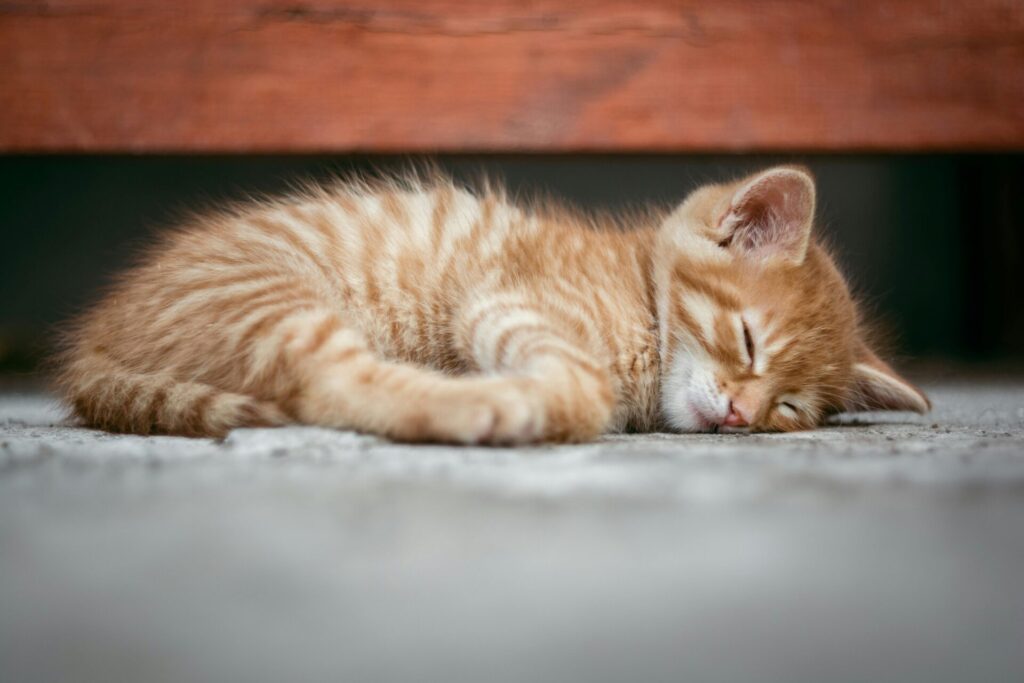
For instance, it’s not uncommon for dogs to twitch their legs as if they are running or chasing something. This suggests that they might be dreaming of playing fetch or running through the park. Cats, on the other hand, are often seen twitching their whiskers or pawing at the air, which may indicate they are dreaming about hunting, chasing, or pouncing on prey. These movements aren’t random—they’re often quite consistent with the animal’s natural behaviors and instincts, which supports the theory that their dreams reflect real-life experiences. If you’re looking to enhance your smile to match your pet’s joyful dreams, consider visiting a place that offers a hollywood smile in Staten Island.
The Connection Between Brain Activity and Twitching
The twitching and jerking movements observed during REM sleep are linked to the activation of motor neurons in the brain. During REM sleep, the brain is active, firing off signals that generate movement and sensory processing. However, due to the muscle atonia that normally accompanies REM sleep, most of these signals are blocked from reaching the muscles. In dogs and cats, this paralysis is not always complete, which allows some voluntary movements to occur.
The specific movements—whether it’s twitching of the paws, facial muscles, or tail—are tied to the muscle groups associated with the neural activity occurring in the brain at the time. For example, if a dog is dreaming of running, the brain sends signals to the leg muscles to “move,” resulting in the familiar twitching or paddling movements. Similarly, a cat might twitch its tail or whiskers in response to the brain’s interpretation of an imagined chase. If you’re looking for legal guidance, the best family lawyer in Kelowna can provide expert support for your needs.
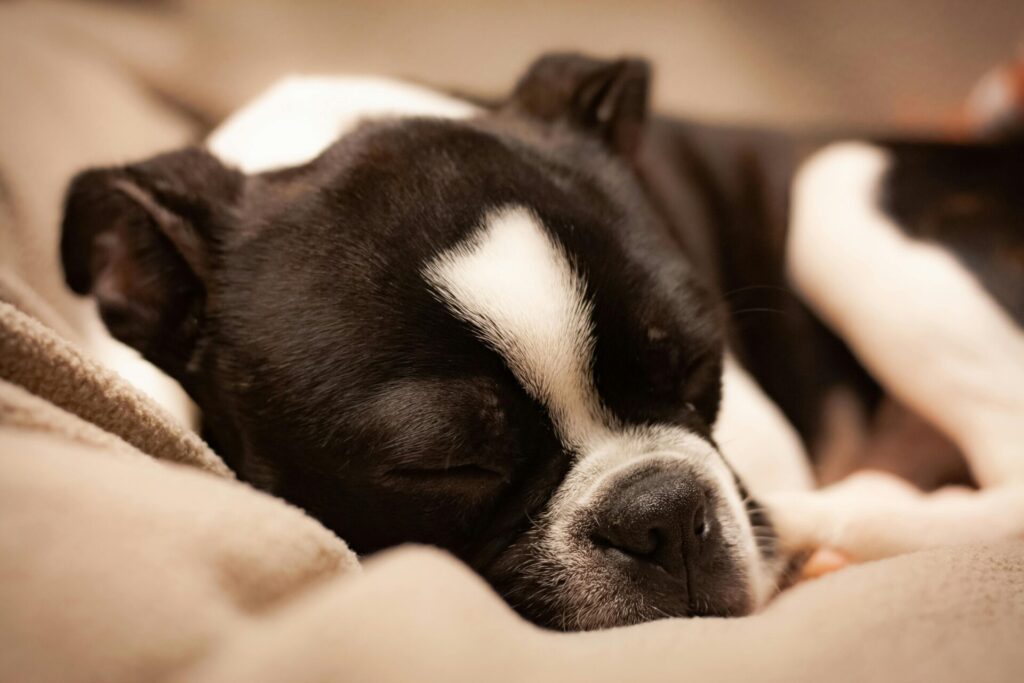
Interestingly, research has shown that REM sleep accounts for a larger portion of a dog’s sleep cycle than it does for humans. In dogs, REM sleep comprises about 12-18% of their total sleep time, while in cats, it can be as much as 25%. This suggests that these animals may experience more vivid dreams or spend more time in this stage of sleep, which could be why they exhibit such noticeable physical responses while dreaming.
The Function of Twitching: Evolutionary Perspective
While we often associate twitching with a simple, involuntary response to dreams, there may be a deeper evolutionary function behind this behavior. One theory suggests that the twitching observed during sleep might be an evolutionary survival mechanism that evolved to help animals practice important survival behaviors while they are in a safe, sleep state. For example, wild animals, including the ancestors of modern dogs and cats, may have used their sleep to “rehearse” actions such as running, hunting, or escaping from predators. These movements would help prepare them for when they needed to perform similar actions in real life.
For domesticated dogs and cats, these instinctual behaviors remain, even though they no longer need to rely on them for survival in the wild. Their twitching during sleep may still serve as a means of reinforcing important behavioral patterns. The practice of these instinctive actions, like running or pouncing, may keep their muscles conditioned, ensuring that they remain agile and ready for any physical activity they may encounter during the day. This could explain why, even in a safe home environment, our pets continue to exhibit these twitching behaviors.
Variations in Twitching Among Different Breeds and Species
While all dogs and cats exhibit some level of twitching during REM sleep, the extent and frequency of the twitching can vary between individual animals. Breed differences also play a role in the type of movements observed. For example, small dog breeds like Chihuahuas may twitch more frequently or intensely during REM sleep, possibly because they have a faster metabolism and a higher proportion of REM sleep. Larger breeds, like Great Danes or Saint Bernards, may experience less frequent twitching, as they spend a greater portion of their sleep cycle in deeper stages of non-REM sleep.
Similarly, within the feline world, there are variations based on age and temperament. Younger cats, particularly kittens, are more likely to exhibit rapid and erratic movements, possibly due to their higher energy levels and their brains being in a developmental phase. Older cats may twitch less, as their sleep patterns may be altered by the aging process. Additionally, some cats and dogs may twitch more due to increased levels of stress or anxiety, which can influence the intensity and frequency of REM sleep.
The individual personalities of pets also play a role in their sleep behaviors. Animals that are more excitable and active during their waking hours may experience more vivid dreams and, consequently, more pronounced twitching during sleep. Conversely, animals that are more laid-back or sedentary may exhibit less movement during REM sleep. If you’re planning a new business and want to make informed decisions about ownership distribution, try using a startup equity calculator.
Conclusion
Twitching in dogs and cats during sleep is a fascinating and entirely natural phenomenon tied to their REM sleep cycles. This behavior is often a response to the brain’s activity as it processes memories and experiences, providing valuable insights into the animal’s inner world. Whether it’s the result of chasing prey, playing with toys, or reliving past adventures, these movements offer a glimpse into the dreams of our beloved pets.
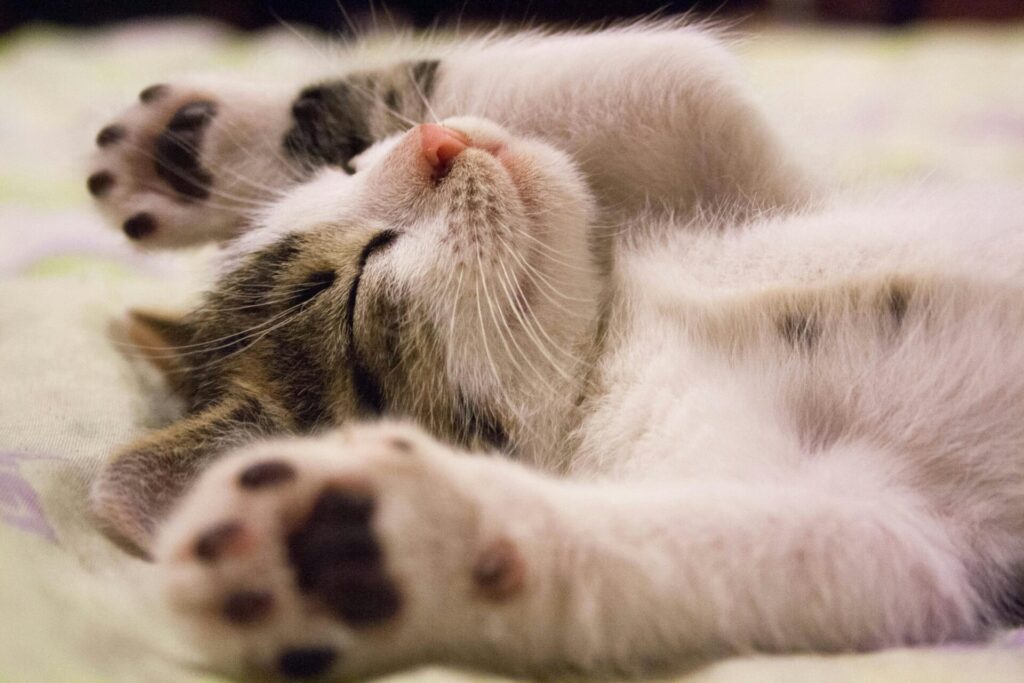
While twitching is typically harmless, it’s important to monitor your pet’s sleep behavior to ensure that any abnormal movements are addressed promptly. Understanding the science behind why dogs and cats twitch in their sleep not only deepens our appreciation of their inner lives but also enhances our ability to care for them as they navigate their dreams. So the next time you catch your furry friend twitching in their sleep, you can rest assured that it’s just another quirky, endearing part of their daily routine.