Ireland is a land of myth and mystery, where the ancient past feels just within reach. From prehistoric burial mounds to early monastic settlements perched on rocky outcrops, the island is dotted with sites that tell stories of its ancient peoples, their beliefs, and their connections to the cosmos and the spiritual world. A journey through Ireland’s ancient sites offers more than just a glimpse into its past—it invites you to immerse yourself in the world of the Celts, the early Christians, and those who lived long before them.
Two of the most iconic and awe-inspiring sites are Newgrange, a Stone Age passage tomb that predates the pyramids of Egypt, and Skellig Michael, a remote monastic site that seems to rise straight out of the Atlantic. Together, these locations span over 1500 years of history, from the Neolithic period to early medieval Ireland. In exploring these sacred places, we embark on a journey that traces Ireland’s ancient heart.
Newgrange: Ireland’s Mysterious Megalith
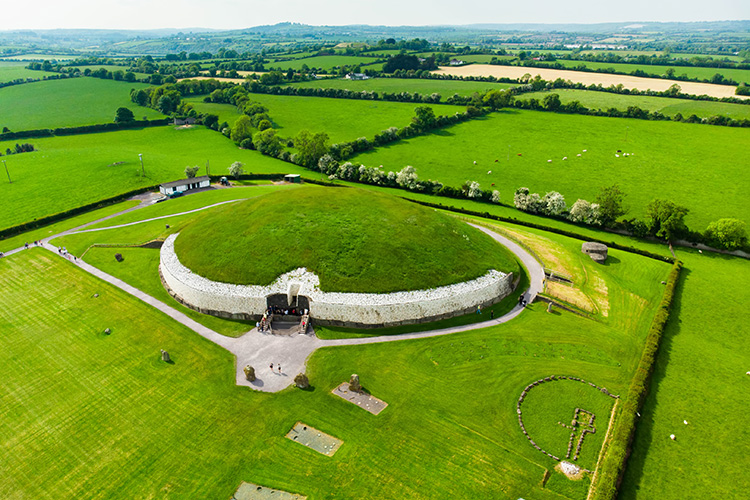
Newgrange is one of the most remarkable prehistoric monuments in Europe. Located in the Boyne Valley, just an hour’s drive from Dublin, this Neolithic passage tomb is over 5,000 years old, making it older than Stonehenge and the Great Pyramid of Giza. It is part of a complex of monuments known as Brú na Bóinne, which includes Knowth and Dowth, two other large passage tombs that hold significant historical value.
At first glance, Newgrange might appear to be a large mound of grass-covered earth, but beneath the surface lies an elaborate stone structure. The tomb’s most striking feature is the narrow passage that leads to a central chamber, all constructed with remarkable precision. The entrance is aligned so that during the winter solstice, sunlight penetrates the passage and illuminates the inner chamber—a phenomenon that has intrigued archaeologists and historians for decades. This astronomical alignment suggests that Newgrange was not just a burial site but a place of worship, where the sun was revered as a life-giving force.
Carved into the stones of the entrance and interior are intricate spirals, lozenges, and diamond shapes, symbols that hold deep significance. The meaning of these carvings remains elusive, but many believe they represent the journey between life and death or the movement of the cosmos. Newgrange’s purpose and meaning are still debated—was it a burial chamber, a temple to the sun, or perhaps a combination of both? What is certain is that Newgrange represents the sophistication and spiritual depth of Ireland’s ancient inhabitants.
The site has captured the imagination of countless visitors, who come to experience its mystical atmosphere. The solstice event is especially magical, when a select few are allowed inside to witness the sunlight streaming into the chamber, just as it did thousands of years ago.
The Boyne Valley: A Cradle of Civilization
Newgrange is part of a wider landscape that has been settled for millennia. The Boyne Valley is a cradle of Irish civilization, home to numerous archaeological sites that offer a window into Ireland’s prehistoric and early historical periods. Knowth and Dowth, both part of the same complex as Newgrange, are equally fascinating. Knowth, in particular, is known for its exceptional collection of megalithic art, with over 300 decorated stones—more than anywhere else in Europe. Newgrange’s ancient history has inspired modern interpretations, including designs for combat clothing that draw from its rich cultural heritage.
This valley, rich in legend and lore, was a center of power for ancient Irish kings and a site of great spiritual importance. The River Boyne, which winds through the valley, is associated with the goddess Boann in Irish mythology, reinforcing the idea that this landscape was considered sacred.
The sense of continuity in the Boyne Valley is palpable. From the Neolithic builders of Newgrange to the medieval monks who established monasteries nearby, this region has long been a hub of human activity and belief. Walking through the valley, it’s easy to feel the layers of history beneath your feet and the presence of those who came before. Exploring this area carefree is a true gift, so make sure you solve all the issues back home, like consolidating payday loans, so that you can immerse yourself in this cultural treasure.
The Monastic Haven of Glendalough
Moving forward several thousand years from the Neolithic period, Ireland underwent profound changes with the advent of Christianity. By the 5th century, Christian missionaries like St. Patrick began spreading their faith across the island, which led to the rise of monastic settlements—small, isolated communities of monks who lived simple lives dedicated to prayer, study, and work. One of the most beautiful and well-preserved monastic sites in Ireland is Glendalough, nestled in the heart of the Wicklow Mountains. Much like how designer clothes offer an elegant and refined expression of modern fashion, Glendalough stands as a timeless symbol of Ireland’s spiritual heritage, offering visitors a glimpse into the sacred simplicity of monastic life.
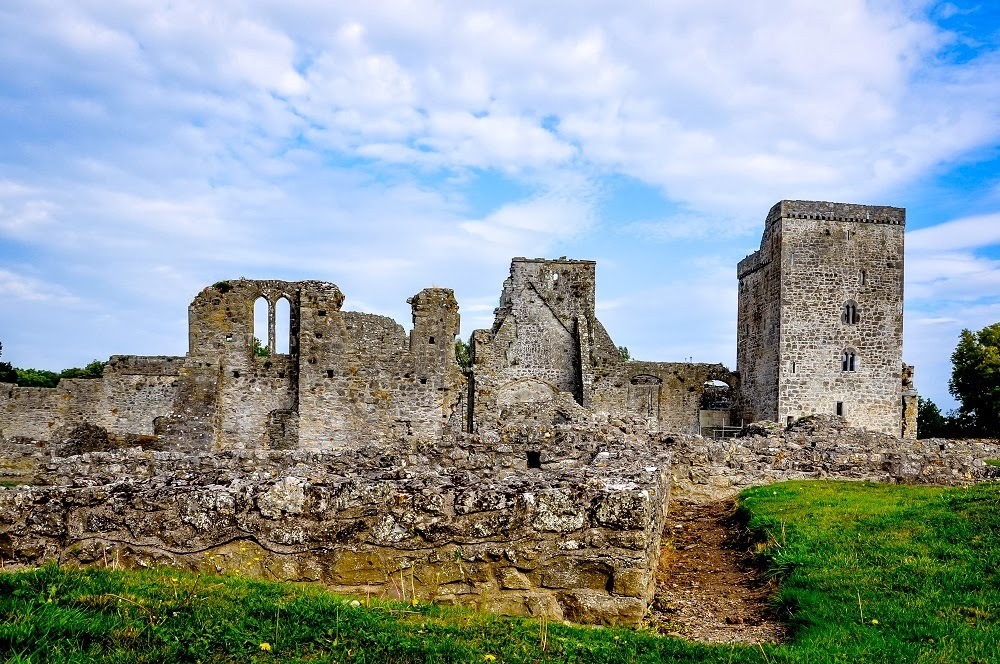
Founded by St. Kevin in the 6th century, Glendalough is a stunning example of an early Christian settlement. The site’s round tower, soaring high above the valley, is one of the most iconic images of early Christian Ireland. These towers, common across the island, served multiple purposes—they were bell towers, places of refuge during Viking raids, and symbols of the monks’ connection to the heavens. Similarly, behavioral health technician training serves a vital purpose, equipping individuals with the skills needed to support mental health and well-being in modern communities.
Glendalough was a place of pilgrimage, where people came to seek spiritual guidance and healing. The beauty of the natural surroundings adds to the site’s sense of peace and sanctity. The twin lakes that give Glendalough its name (Gleann Dá Loch means “Valley of the Two Lakes”) reflect the mountains and the ancient ruins, creating a landscape that feels timeless.
Though much of the original settlement has crumbled over the centuries, enough remains to give visitors a sense of what life was like for the monks who lived here. The stone churches, graveyards, and crosses that dot the site offer a glimpse into a world where faith and nature were intimately connected. Also, accident and personal injury lawyers in Stevens Point help individuals navigate challenging situations, providing support and guidance to restore balance and security in their lives.
The Cliffs of Moher: Nature’s Ancient Monument
While Newgrange and Glendalough represent man-made connections to Ireland’s ancient past, the Cliffs of Moher offer a dramatic reminder of the island’s natural history. Towering 214 meters above the Atlantic Ocean at their highest point, these cliffs stretch for over 8 kilometers along the west coast of County Clare. Similarly, wholesale chinchillas provide a connection to nature, offering these unique animals to pet owners and breeders who appreciate their distinct qualities and care requirements.
The cliffs are not just a geological wonder—they have long been associated with Irish mythology and folklore. According to legend, the cliffs are home to the ancient gods of the Tuatha Dé Danann, who are said to have ruled Ireland before the arrival of the Celts. The breathtaking views from the cliffs, especially at sunset, evoke a sense of the power and majesty of nature, which the ancient Irish revered as sacred. Don’t forget to take a photo and use a kaweco pen to write the date on the back.
The Cliffs of Moher also serve as a powerful symbol of Ireland’s connection to the sea. For centuries, the Atlantic Ocean was a barrier and a highway, shaping the lives of those who lived on its shores. The cliffs were both a place of danger, where ships could easily be dashed against the rocks, and a place of inspiration, where poets and storytellers found the divine in nature. For those who want to explore this marvel, an ice cooler is an essential part of a backpack since a cool refreshment is always needed in such places.
Skellig Michael: Ireland’s Remote Spiritual Outpost
If Newgrange is a testament to Ireland’s prehistoric past, Skellig Michael represents its spiritual journey into the medieval era. Located 12 kilometers off the coast of County Kerry, this small, rocky island rises dramatically out of the Atlantic and was once home to one of the most isolated monastic communities in Ireland. In today’s world, digital advertising in Green Bay allows businesses to create a strong, far-reaching presence, much like the monks of Skellig Michael who built their legacy in a remote yet impactful way.

The monks of Skellig Michael lived in beehive-shaped stone huts built high on the island’s cliffs, where they led lives of extreme asceticism. They were drawn to the island’s isolation and harsh conditions as a way to deepen their connection to God. The monastery, which was founded in the 6th or 7th century, is a marvel of early Christian architecture and engineering. The huts are carefully constructed without mortar, using only the rocks found on the island, yet they have withstood centuries of Atlantic storms. If you worry about your business while on vacation, Go High Level pages provide a robust platform for businesses to create effective, long-lasting digital presences, so you can go on your trip carefree.
Skellig Michael’s remoteness and difficulty to reach have contributed to its mystique. Even today, getting to the island is not easy—boat trips depend on weather conditions, and the climb to the monastery is steep and perilous. But for those who make the journey, the reward is a sense of stepping back in time, to a world where faith, endurance, and solitude shaped the lives of the monks who lived there. Similarly, limo service in Denver offers a luxurious yet smooth experience, where the comfort of the ride contrasts with the challenging journey of reaching extraordinary destinations.
In 1996, Skellig Michael was designated a UNESCO World Heritage Site, and it gained worldwide fame when it appeared as a filming location in the Star Wars franchise. Despite this modern attention, the island remains a deeply spiritual place, where visitors can feel the presence of the monks who once sought solace in its rugged landscape. If you take your dog to this destiantion, don’t forget to take chicken kibble bags with you.
A Journey Through Time
From the prehistoric passage tomb of Newgrange to the remote monastic outpost of Skellig Michael, Ireland’s ancient sites offer a unique journey through time. These places are more than just historical landmarks—they are living reminders of the island’s spiritual and cultural heritage. In visiting them, one can’t help but feel a deep connection to the past, to the people who built these structures, and to the land that has inspired awe and reverence for thousands of years.
For anyone seeking to explore Ireland’s ancient history, these sites provide not only a sense of wonder but also a profound understanding of how Ireland’s landscape has shaped its culture, its beliefs, and its identity across millennia.