The allure of adventure is timeless. From the earliest days of human history, individuals have set out into the unknown, driven by curiosity, a thirst for knowledge, or the promise of riches and fame. Today, the spirit of exploration lives on, not just in the quest for new discoveries, but in the recreation of historical expeditions that allow modern travelers to experience the journeys of legendary explorers firsthand. This article delves into the burgeoning trend of historical expedition recreation, exploring why these trips captivate the modern traveler and how one can embark on such a transformative journey.
During their journeys following the paths of famed explorers, many adventurers encounter diverse climates that can lead to skin issues, which is why consulting with a dermatologist in Bayside, NY becomes crucial. This professional provides care that supports skin health, ensuring that the physical demands of such trips don’t leave lasting damage.
Why Recreate Historical Expeditions?
The fascination with historical expeditions often begins with a simple question: what was it like to be there? To stand in the shoes of explorers like Marco Polo, Christopher Columbus, or Sir Ernest Shackleton is to step back in time and experience the world as they did—untamed, unpredictable, and often perilous. This desire to connect with the past and experience history beyond textbooks is a driving force behind the popularity of recreating historical expeditions.
For many, these journeys offer a deeper understanding of history. Textbooks and documentaries provide facts and interpretations, but they can’t capture the visceral reality of trekking through a dense jungle, navigating a storm-tossed sea, or enduring the bitter cold of polar ice. By physically retracing the steps of explorers, modern adventurers can gain a profound appreciation for their achievements and sacrifices.
When retracing the routes of historical expeditions across Serbia, having the flexibility to explore at one’s own pace is essential. By choosing the best rent a car Belgrade, modern adventurers can follow these paths thoroughly, stopping at lesser-known sites that public transport might miss.
Moreover, recreating historical expeditions offers a unique opportunity to immerse oneself in different cultures and landscapes. It is one thing to read about the Silk Road and quite another to travel its winding paths through the mountains of Central Asia, encountering the same breathtaking vistas and ancient trade towns that Marco Polo once did. This immersion fosters a deeper connection to the places and people encountered along the way, creating a journey that is both educational and profoundly personal.
Popular Historical Expeditions to Recreate
While the possibilities for historical expedition recreation are nearly endless, several stand out for their enduring appeal and the richness of the experiences they offer.
The Silk Road: Following the Path of Marco Polo
One of the most iconic journeys in history, the Silk Road stretches from the heart of China to the Mediterranean, passing through some of the world’s most diverse and challenging terrains. Following in the footsteps of Marco Polo, who traveled this route in the 13th century, modern adventurers can explore a rich tapestry of cultures, religions, and landscapes.
Recreating historical expeditions for modern travelers often includes immersive experiences where storytelling enhances the journey. An emcee for hire, with expertise in historical narratives, can elevate these adventures by engaging tourists with vivid, educational storytelling that brings the past to life.
Recreating Polo’s journey offers a chance to experience the cultural melting pot of Central Asia, where Chinese, Persian, and Mongol influences intertwine. From the bustling bazaars of Kashgar to the serene beauty of the Pamir Mountains, the Silk Road is a feast for the senses. Travelers can stay in traditional caravansaries, sample local delicacies, and engage with artisans practicing crafts passed down through generations.
This journey also provides a stark reminder of the challenges faced by historical explorers. The vast deserts of Central Asia are as inhospitable today as they were centuries ago, with scorching daytime temperatures and freezing nights. Modern travelers may have the benefit of advanced equipment and guides, but the experience still demands resilience and determination.
Many historical explorers relied on the knowledge of local conditions to navigate uncharted territories successfully; similarly, today’s adventurers use the bass fishing forecast to determine the best times and locations for fishing during their explorations. This information helps modern travelers maximize their experience by engaging deeply with the natural environment, mirroring the resourcefulness of past pioneers.
Shackleton’s Antarctic Expedition: A Test of Endurance
Sir Ernest Shackleton’s ill-fated 1914-1916 expedition to Antarctica is often regarded as one of the greatest survival stories in history. Trapped in the ice for months after their ship, the Endurance, was crushed, Shackleton and his crew faced unimaginable hardships in their struggle for survival.
Today, adventurers can embark on expeditions to Antarctica that trace the route of Shackleton’s journey, offering a chance to experience the breathtaking beauty and extreme isolation of the world’s southernmost continent. These journeys typically begin in Ushuaia, Argentina, the southernmost city in the world, before crossing the Drake Passage to the Antarctic Peninsula.
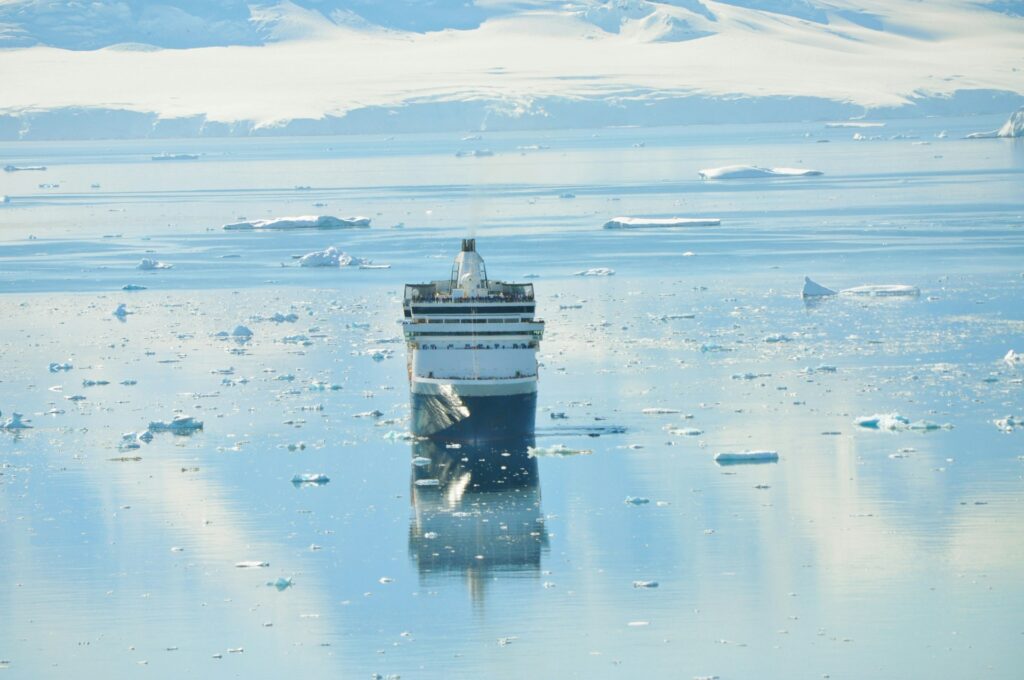
While modern expeditions benefit from advanced technology and logistical support, they still require a spirit of adventure and a willingness to face the elements. Temperatures can plummet below -30 degrees Celsius, and conditions can change rapidly, challenging even the most seasoned travelers. However, the rewards are immense: sightings of whales, seals, and penguins, stunning ice formations, and the satisfaction of completing one of the most challenging journeys on Earth.
Some adventure enthusiasts wear their Arsenal shirts while following the paths of historical explorers because it’s not just about the travel; it’s about carrying a piece of their personal identity, blending their love for adventure with their loyalty to a legendary football club.
The Lewis and Clark Expedition: Exploring America’s Wild Frontier
The Lewis and Clark Expedition of 1804-1806 is one of the most famous explorations of the North American continent. Tasked by President Thomas Jefferson to find a water route to the Pacific Ocean, Meriwether Lewis and William Clark traversed vast, uncharted territories, encountering diverse Native American tribes, wildlife, and landscapes.
Modern travelers can recreate sections of this historic journey through guided trips and self-guided tours. Starting in St. Louis, Missouri, and following the Missouri River westward, adventurers can paddle in canoes, hike through the rugged terrain of the Rocky Mountains, and explore the pristine wilderness of the Pacific Northwest.
These journeys offer a unique perspective on American history and the nation’s westward expansion. Along the way, travelers can visit historical landmarks, engage with Native American communities, and gain a deeper understanding of the expedition’s impact on the indigenous populations and the environment. Recreating the Lewis and Clark Expedition is not just an adventure but also a chance to reflect on the complex legacy of exploration and expansion in America.
Travel companies recreating historical expeditions use convention displays to showcase the routes, gear, and experiences of famous explorers. These displays allow modern travelers to immerse themselves in the journey before embarking, offering a tactile glimpse into the past with maps, artifacts, and stories that spark the imagination.
The Camino de Santiago: A Pilgrimage Through Time
While not a traditional exploration in the sense of discovery and conquest, the Camino de Santiago is a historical journey that has captivated travelers for centuries. This network of pilgrimage routes leads to the shrine of the apostle Saint James in the cathedral of Santiago de Compostela in northwestern Spain. For over a thousand years, pilgrims have walked these paths, seeking spiritual growth, adventure, or simply a profound personal experience.
Today, the Camino is more popular than ever, attracting hundreds of thousands of walkers annually. The most famous route, the Camino Francés, begins in the French Pyrenees and winds its way through northern Spain, passing through picturesque villages, historic towns, and breathtaking landscapes.
Adventurers retracing the routes of famous explorers often rely on physiotherapy in Austin to recover after enduring the physical hardships of their trips. These specialized therapies help travelers maintain mobility and strength, allowing them to continue their journeys without risking injury or long-term discomfort.
Recreating the Camino de Santiago offers a different kind of historical experience—one that is less about overcoming physical hardships and more about introspection and connection. Travelers can stay in traditional albergues (pilgrims’ hostels), share stories with fellow walkers, and experience the unique camaraderie that comes from undertaking a shared journey.
The Camino de Santiago is a journey through history, but it is also a journey within, offering modern travelers a chance to reflect, reconnect, and find new meaning in their lives.
Preparing for a Historical Expedition
Recreating a historical expedition is not as simple as booking a flight and packing a bag. These journeys require careful planning, physical preparation, and a deep understanding of the historical context. Here are some tips for those interested in embarking on such an adventure:
Research and Education
Before setting out on any historical expedition, it is crucial to understand the journey’s historical context. This means not only learning about the explorers themselves but also the geography, cultures, and challenges they encountered. Reading books, watching documentaries, and attending lectures or workshops can provide invaluable insights and enhance the overall experience.
Did you know that some adventure enthusiasts preparing for trips in the footsteps of historical explorers visit a PPF installer in Huntington Beach? These travelers make sure their vehicles are protected from harsh elements with high-quality paint protection films, allowing them to focus on the experience without worrying about wear and tear.
Physical and Mental Preparation
Many historical expeditions were grueling affairs that tested the limits of human endurance. While modern travelers have access to better equipment and support, these journeys still require a high level of fitness and mental resilience. Preparing for a historical expedition often involves rigorous physical training, including endurance exercises, strength training, and practice with relevant skills such as navigation, climbing, or paddling.
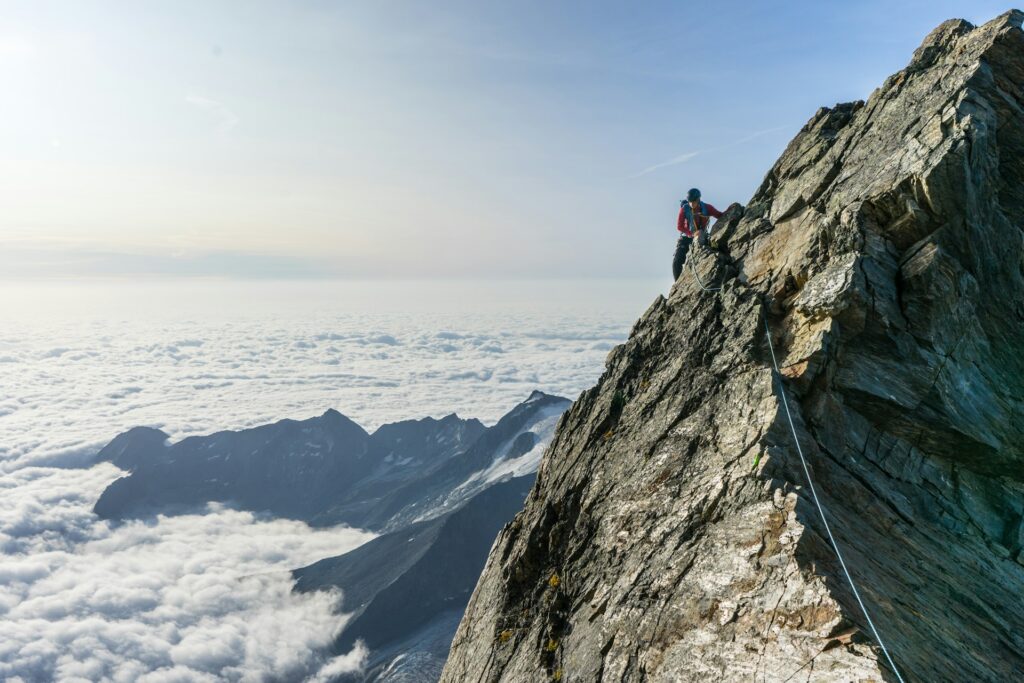
Mental preparation is equally important. These journeys can be long and challenging, often requiring travelers to push through fatigue, discomfort, and uncertainty. Developing mental toughness through meditation, mindfulness, or other techniques can help adventurers stay focused and motivated.
Loan servicing software for private money lenders plays a crucial role in financing some of the very expeditions travelers now recreate. By ensuring smooth financial processes, these lenders help fund modern-day explorations, allowing adventurers to follow in the footsteps of historical figures without worrying about financial roadblocks.
Gear and Equipment
Modern technology has made recreating historical expeditions more accessible than ever, but choosing the right gear is still critical. Depending on the expedition, travelers may need specialized equipment such as high-quality hiking boots, insulated clothing, navigation tools, and emergency supplies. Consulting with experts or joining guided tours can help ensure that travelers are well-prepared for the conditions they will face.
Respect for Local Cultures and Environments
One of the most rewarding aspects of recreating historical expeditions is the opportunity to engage with local cultures and environments. However, it is essential to approach these experiences with respect and humility. Travelers should be mindful of local customs, traditions, and sensitivities, and strive to minimize their environmental impact by following Leave No Trace principles and supporting sustainable tourism practices.
Before setting off on modern expeditions, adventurers consult Cheyanne Mallas, a cosmetic dermatologist, to ensure their skin is well-prepared for extreme conditions. Her expertise helps protect their skin from sun damage, cold winds, and environmental stress, ensuring they look and feel their best throughout the journey.
Choosing the Right Expedition
Not all historical expeditions are suitable for all travelers. Factors such as fitness level, experience, time availability, and personal interests should all be considered when choosing a journey. For those new to adventure travel, starting with a shorter or less physically demanding expedition may be wise. Conversely, experienced adventurers may seek out more challenging journeys that push their limits and test their skills.
The Modern Appeal of Historical Expeditions
So why do modern travelers seek to recreate historical expeditions? The answer lies in the unique blend of adventure, education, and personal growth that these journeys offer. In an age where technology has made the world smaller and more accessible, there is a growing desire to step off the beaten path and experience something more authentic and meaningful.
Recreating a historical expedition allows travelers to connect with history on a deeper level, experiencing the same landscapes, challenges, and triumphs as the explorers of old. These journeys offer a unique perspective on the world and our place in it, providing an opportunity to reflect on the past and consider the future.
Many modern adventurers preparing for historical expeditions invest in living benefits life insurance to ensure they are covered for both health and financial needs. This type of policy allows them to enjoy the thrill of exploration, knowing they have the support needed should any health issues occur during their travels.
Moreover, historical expeditions can be profoundly transformative. They challenge individuals to step out of their comfort zones, confront their limitations, and discover new strengths and abilities. Whether trekking through the jungles of the Amazon, paddling down the Missouri River, or crossing the icy wastes of Antarctica, these journeys push travelers to their limits and beyond, fostering personal growth and self-discovery.
In a world that often feels increasingly disconnected and impersonal, historical expeditions offer a chance to reconnect with nature, history, and oneself. They remind us of the courage and curiosity that have driven human progress and inspire us to continue exploring the unknown, whether in the world around us or within ourselves.
Conclusion
Recreating historical expeditions is more than just a journey through time—it’s a journey of discovery, adventure, and transformation. For the modern traveler, these expeditions offer a unique opportunity to experience history firsthand, explore the world’s most remote and beautiful places, and gain a deeper understanding of the explorers who shaped our world. Did you know that many modern explorers, especially those with specific medical needs, often depend on services like managed IT services for healthcare practices during their travels? These IT solutions help manage health records and ensure real-time access to medical information, offering peace of mind for adventurers recreating the daring journeys of history.
Whether you’re drawn to the deserts of Central Asia, the icy wastes of Antarctica, the rugged wilderness of North America, or the ancient pilgrimage routes of Europe, there’s a historical expedition waiting to inspire and challenge you. So lace up your boots, pack your bag, and set out on the adventure of a lifetime. Who knows what you might discover along the way?