Introduction
Tactical networking, in the realm of modern warfare, has become an indispensable component for successful military operations. The ability to rapidly and securely exchange information among units on the battlefield has revolutionized the way armed forces operate. This text explores the key aspects of tactical networking, including its significance, challenges, and benefits.
The Significance of Tactical Networking
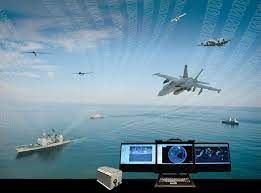
Tactical networking serves as the backbone of military operations by enabling real-time communication and coordination among different units. It allows commanders to maintain situational awareness, make informed decisions, and disseminate orders swiftly and efficiently. By connecting troops, vehicles, and command centers, tactical networking ensures seamless integration, enhances interoperability and improves overall operational effectiveness.
Challenges in Tactical Networking
While tactical networking offers numerous advantages, it also presents several challenges that need to be addressed. One major challenge is the need for reliable connectivity in harsh and dynamic environments. The battlefield is characterized by physical obstacles, such as rugged terrains and urban landscapes, which can disrupt communication signals. Overcoming these challenges requires the deployment of robust networking technologies, such as satellite communication systems and mobile ad hoc networks (MANETs), that can adapt to changing conditions.
Another challenge is ensuring the security of tactical networks. As modern warfare becomes increasingly digitized, the risk of cyber threats and information warfare looms large. Tactical networks must be fortified with robust encryption, authentication, and intrusion detection mechanisms to prevent unauthorized access and maintain the confidentiality and integrity of sensitive information.
Benefits of Tactical Networking
Despite the challenges, tactical networking offers several significant benefits. Firstly, it enhances the speed and accuracy of information exchange, enabling faster decision-making and response times. This, in turn, contributes to a more agile and dynamic operational environment. Additionally, tactical networking facilitates the sharing of vital data, such as intelligence, surveillance, and reconnaissance (ISR) information, among units, enabling a more comprehensive and integrated picture of the battlefield.
Furthermore, tactical networking enables the implementation of network-centric warfare concepts, where multiple units can collaborate and share resources effectively. This leads to improved coordination, reduced duplication of efforts, and optimized allocation of assets, resulting in increased operational efficiency.
Conclusion
In today’s complex and rapidly evolving battlefield, tactical networking has emerged as a critical enabler for modern warfare. It provides commanders with the tools and capabilities necessary to achieve operational superiority. Despite the challenges posed by harsh environments and cyber threats, the benefits of tactical networking, including enhanced situational awareness, rapid information exchange, and improved coordination, outweigh the obstacles. As military forces continue to invest in advanced networking technologies and strengthen their cybersecurity measures, the future of tactical networking looks promising, paving the way for more efficient and effective military operations.